


The Dallas Cowboys are coming off one of the ugliest defensive performances in franchise history, but they’ll have an opportunity to get back on track against a Tennessee Titans team that is still searching for answers. Tennessee enters Week 11 at 1-8, sitting at the bottom of the AFC South and holding the No. 1 spot in the projected 2027 NFL Draft order.
The Titans are clearly in rebuilding mode under head coach Robert Saleh. They’ve struggled to put together consistent performances on either side
of the ball, and their recent decision to trade defensive lineman Jeffery Simmons and safety Amani Hooker is another indication that the organization is looking toward the future.
Still, this isn’t necessarily a game Dallas can sleepwalk through. Rookie quarterback Cam Ward has shown improvement, Tony Pollard remains a productive running back, and Tennessee’s defense has been surprisingly opportunistic when it comes to taking the football away. The Cowboys are 4-6 and desperately need a win, but after allowing 46 points to San Francisco, there are plenty of reasons to approach this matchup with caution.
Cam Ward is showing signs of progress
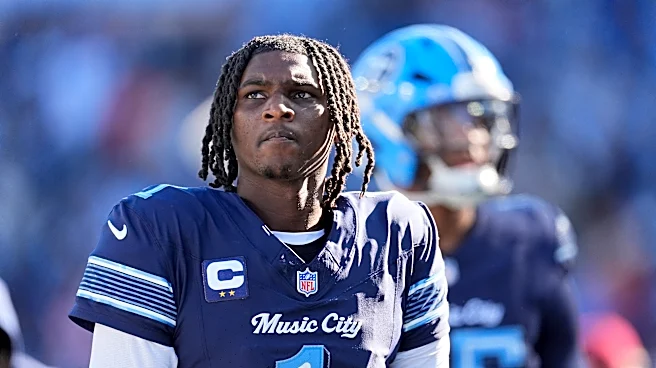
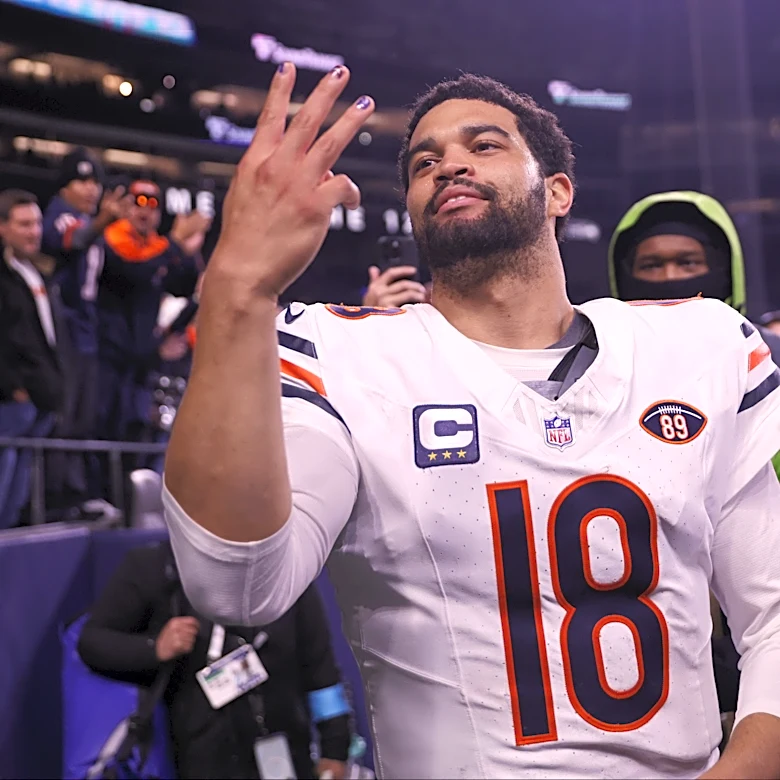
The Titans’ season hasn’t gone according to plan, but there are reasons for optimism surrounding rookie quarterback Cam Ward. The No. 1 overall pick in the 2026 NFL Draft has experienced the growing pains that come with playing quarterback for a rebuilding team, but he’s starting to show why Tennessee invested so heavily in him.
Through nine games, Ward has completed 63.8% of his passes for 1,714 yards, eight touchdowns and six interceptions. His 80.7 passer rating isn’t impressive, but he’s shown flashes of the arm talent and athleticism that made him the top selection.
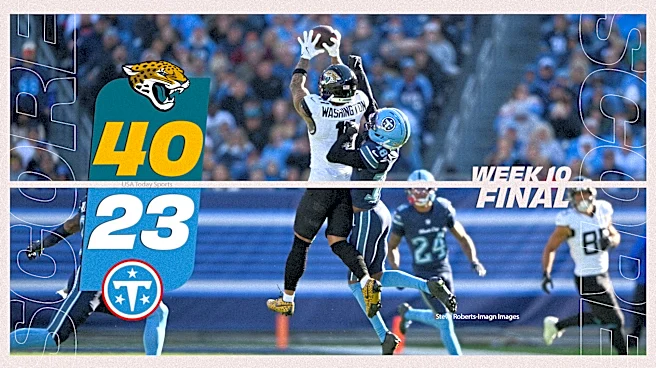
Ward’s most recent performance against Jacksonville was encouraging despite the 40-23 loss. He completed 28 of 39 passes for 231 yards and two touchdowns, while also throwing an interception. He directed five scoring drives and connected with running back Tony Pollard for a touchdown that kept Tennessee within striking distance.
Ward has also contributed 151 rushing yards and two touchdowns this season. His mobility gives the Titans another option when plays break down, and Dallas has struggled to contain mobile quarterbacks and prevent explosive plays.
There is still plenty of room for improvement. Ward has been sacked 14 times, and his six interceptions demonstrate that he can be vulnerable when forced to make difficult throws. Against Jacksonville, he threw an interception on a pass across his body, a decision that immediately put his defense in a difficult position.
The Cowboys need to make him uncomfortable without allowing him to escape the pocket. After giving Brock Purdy and the 49ers far too much room to operate, Dallas needs a much more disciplined performance from its pass rush and secondary.
An offense searching for consistency, with contributions from multiple players
Tennessee’s offense has struggled to find its identity this season. The Titans are averaging just 18.6 points and 278.6 total yards per game, ranking 28th and 29th in the NFL, respectively. Their inability to sustain drives has been a major reason for their struggles.
However, there are a few players Dallas needs to account for.
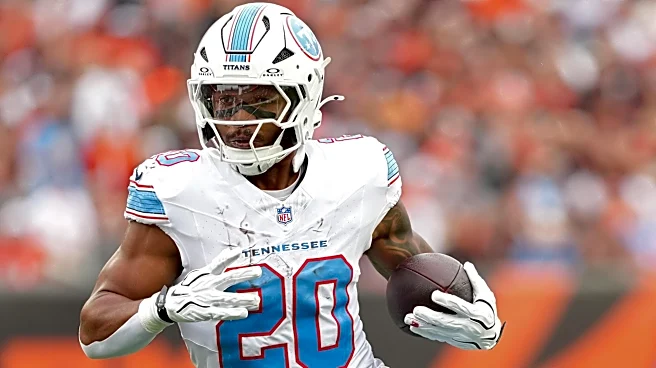
Tony Pollard remains the focal point of the rushing attack. The former Cowboy has rushed for 628 yards and six touchdowns on 142 carries, averaging 4.4 yards per attempt. He’s also contributed 136 receiving yards and a touchdown, giving Ward a reliable option out of the backfield.
Pollard is coming off a relatively quiet rushing performance against Jacksonville, finishing with just 33 yards on nine carries. However, he made an impact as a receiver, catching eight passes for 66 yards and a touchdown. The receiving corps is a collection of players who have contributed in different ways. Rookie Carnell Tate leads Tennessee with 413 receiving yards on 34 receptions, while Elic Ayomanor has added 290 yards and is averaging 16.1 yards per catch. Wan’Dale Robinson has caught 38 passes for 272 yards and three touchdowns, but he is going on injured reserve.
Chimere Dike has contributed 140 receiving yards and a touchdown, while tight end Gunnar Helm has added 183 yards on 21 receptions. The Titans aren’t particularly explosive as a team, but they spread the ball around and have enough players capable of making plays to punish a defense that loses track of its assignments.
The Titans defense can create turnovers, but gives up plenty of yards
Tennessee’s defense has been one of the more inconsistent units in the league. The Titans are allowing 26.6 points per game and have surrendered approximately 391 total yards per contest, making it difficult for the offense to overcome the defense’s struggles, like the Cowboys.
Their secondary has struggled. Tennessee is allowing 266.9 passing yards per game, the most in the NFL. That’s an inviting matchup for Dak Prescott and a Dallas passing offense that has averaged 368.3 total yards per game. There is one major caveat, however: Tennessee knows how to take the football away.
The Titans have recorded nine interceptions through nine games, tied for fifth in the league. They also have 21 sacks, putting them in the middle of the pack in that category. Defensive end Jacob Martin leads the team with 7.5 sacks, giving Tennessee a legitimate pass-rush threat.
Linebacker Cedric Gray has also shown playmaking ability. With injuries affecting the Titans’ linebacker group, Gray stepped into a larger role against Jacksonville and recorded nine tackles and an interception. He has an opportunity to become an important part of the defense as the season progresses.
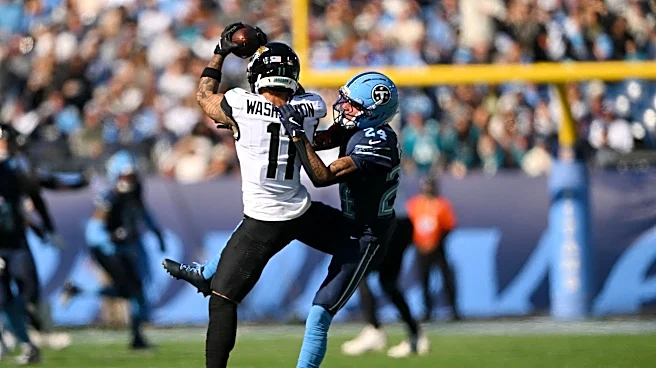
The Titans’ recent performance against Jacksonville was a good example of the unit’s highs and lows. Tennessee intercepted Trevor Lawrence in the first quarter, but still surrendered 40 points and 459 yards. The Jaguars converted seven of 14 third-down opportunities, repeatedly extending drives and keeping the Titans’ defense on the field.
For Dallas, the formula should be straightforward. Protect Prescott, take advantage of Tennessee’s vulnerable secondary and avoid giving the Titans opportunities to create turnovers. The Cowboys have the personnel to exploit this defense, but they cannot afford to become careless with the football.
Can Dallas bounce back?
On paper, this is a favorable matchup for the Cowboys. Tennessee is 1-8, ranks near the bottom of the league in both scoring and total offense, and has struggled to stop opposing passing attacks. Dallas, meanwhile, has one of the more productive offenses in the NFL, averaging 28.6 points and 368.3 yards per game.
But the Cowboys have bigger problems than their opponent’s record can solve.
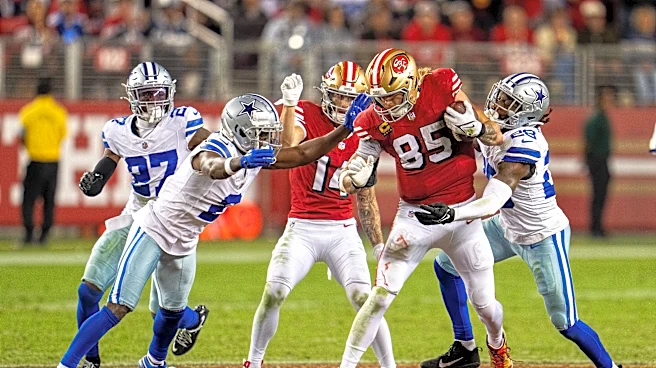
The defense is coming off a game in which it surrendered 46 points, 584 yards and three touchdowns of at least 60 yards. Christian Parker’s unit has struggled to tackle, communicate and prevent explosive plays. Those problems won’t disappear simply because the opponent is Tennessee.
Ward has shown enough improvement to take advantage if Dallas continues to make the same mistakes. Pollard is familiar with the Cowboys and can contribute as both a runner and receiver, while Tennessee has enough receiving options to test a secondary that desperately needs to regain some confidence.
Offensively, Dallas should have opportunities to move the football against a defense allowing nearly 267 passing yards per game. Prescott and CeeDee Lamb should be able to find favorable matchups, while Javonte Williams can help keep the offense balanced.
The Cowboys cannot afford to overlook this opponent. They’re 4-6, running out of time to salvage their season, and desperately need a complete performance. Tennessee may be one of the league’s worst teams, but Dallas has spent much of this season making life difficult for itself. A win is there for the taking. The question is whether the Cowboys can finally put together four quarters of complementary football.