

Dating back to 1871, over 23,000 people have played Major League Baseball. Of those, 281 players have been granted admission to the Baseball Hall of Fame (354 total people, including managers, pioneers, executives and umpires).
It’s an elite group that includes Rockies legends Larry Walker and Todd Helton, who both were honored with statues outside of Coors Field this season. Jim Leyland, who managed the Rockies in 2024, was also elected in 2024 with Helton.
The next likely candidate with a chance
to get 75% of the vote is eight-time All-Star Nolan Arenado, but it will be five years after his playing days end before he is eligible.
But there’s another former Rockie on this year’s ballot who deserves some praise.
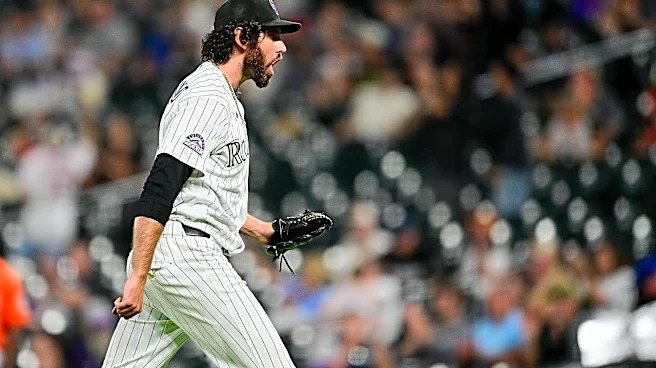
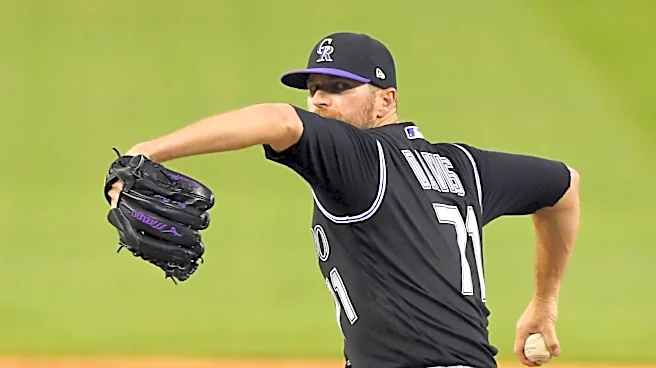
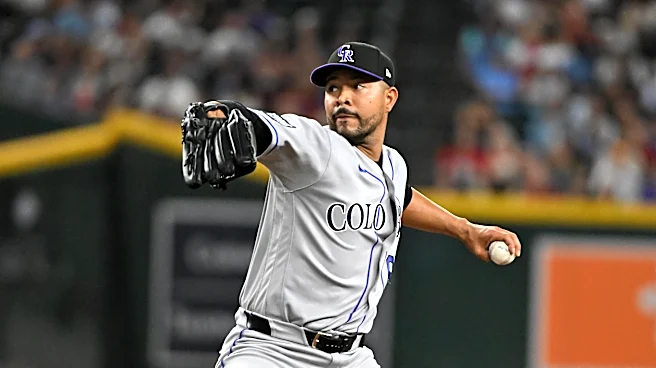
Wade Davis, a three-time All-Star reliever, was a member of the “super bullpen” the Rockies brought in before the 2018 season. The infamous trio didn’t live up to its billing, but Davis still had a tremendous career that’s worth recognizing.
Earlier this week, Davis was named as one of 14 new players added to the ballot for the HOF class of 2027. The list is highlighted by catcher Buster Posey and pitcher Jon Lestor, but doesn’t include any runaway first-ballot inductees. They will join 13 holdovers from previous years, including Chase Utley, who earned 59.1% of the vote last year.
Although he was eligible, former Rockie outfielder Dexter Fowler was left off the ballot. He’s certainly worth an honorable mention here, as he was a fan favorite, and he remains the Rockies single-season leader in triples (15 in 2011). Journeyman catcher Jonathan Lucroy, who played with the Rockies in 2017, had a distinguished 12-year career with nine teams, but also didn’t make the cut, despite being eligible.
The Baseball Writers’ Association of America will fill out their ballots between now and Dec. 31, and the results will be announced on Jan. 19. The Hall of Fame Induction Weekend is slated for July 23-26.
As for Davis, he was a shutdown pitcher from 2009-2017. With four years on the Tampa Bay Rays, four more with the Kansas City Royals, and another with the Chicago Cubs, the righty posted a 12.2 rWAR. In 393 appearances, including 88 starts, he posted a 3.45 ERA with two complete games, 79 saves, 768 strikeouts and a 59-39 record.
Davis was a starter for his first three MLB seasons with Tampa Bay and then transitioned mostly to reliever in 2012, his last year as a Ray. That season, he made 54 appearances out of the bullpen, posting a 2.43 ERA in 70.1 innings. After All-Star nods for three straight years (2015-2017) and winning a World Series with the Royals in 2015, Davis established himself as one of the most dominant relievers in the game.
In December of 2017, the Rockies signed Davis to a three-year, $52 million deal. Fellow relievers Bryan Shaw and Jake McGee each signed three-year, $27 million deals to make up the hope-inspiring super reliever trio that ended up being a bust.
The acquisitions were a sign that Dick Monfort & Co. wanted to build off their first playoff appearance and construct a serious contender. Greg Holland posted 41 saves and was a significant part of the team’s 87-75 record, but he opted for free agency after the Rockies lost to Arizona in the one-game NL Wild Card series.
Enter Davis, who very much did earn his paycheck in 2018.
He recorded 43 saves, a Rockies single-season record that still stands. His 43rd save, which was also a career-high, came on Sept. 28 against the Washington Nationals that clinched a playoff berth for the Rockies. Davis did it by striking out Bryce Harper — looking.
Davis, 32 at the time and wielding an arsenal largely consisting of a four-seamer, cutter and knuckle curve, ended his first season in Colorado with a 0.9 rWAR, a 4.13 ERA, a 29.9% strikeout rate and a 10% walk rate in 63 appearances.
Things went downhill in 2019. He missed about three weeks over May and June with an oblique strain, but before that Davis posted a 2.45 ERA in 14.1 innings. He returned on June 7 and notched a 10.45 ERA in the month to bring his season total to 5.76.
And it just kept getting worse. By the end of the season, Davis’ ERA more than doubled to 8.65, and his rWAR dropped to -1.5. His strikeout rate nearly dropped by a third to 20.4%, and his walk rate increased 4%.
Then came the COVID-shortened season of 2020. In five appearances over 4.1 innings, he surrendered 10 runs with three homers, three walks, and three strikeouts. He threw 2.2 innings before he moved to the IL with a right shoulder strain on Aug. 2. He came back in mid-September, tossed 1.2 innings, giving up five runs — and that was the end for Davis. He was designated for assignmenton Sept. 19 and released on Sept. 21.
Davis signed a minor league deal with Kansas City, returning home for his last season, which was filled with injuries, but at least his 6.75 ERA in 40 appearances in 2021 was an improvement from his 20.77 ERA in five in Colorado in 2020.
While his career dropped off and his time in Colorado certainly hurt his Hall of Fame qualifications, Davis was still a very good baseball player. Unfortunately, he also joined a list of pitchers who sign with Colorado only to see their careers nosedive. It has left a legacy that has tempered the Rockies willingness to sign pitchers to expensive deals and, seemingly, made more pitchers hesitant to come to Colorado.
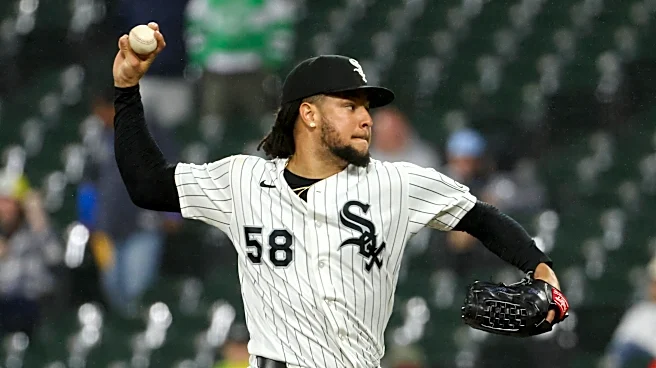
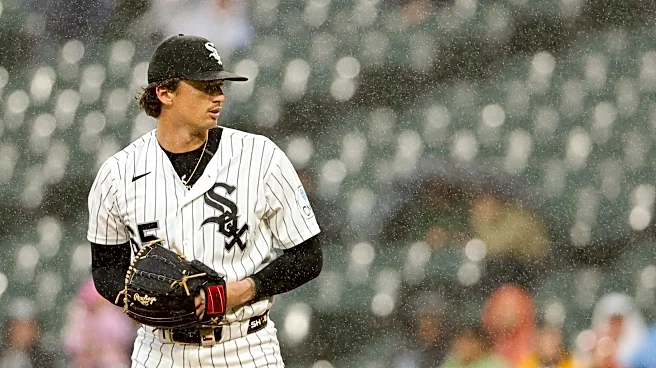
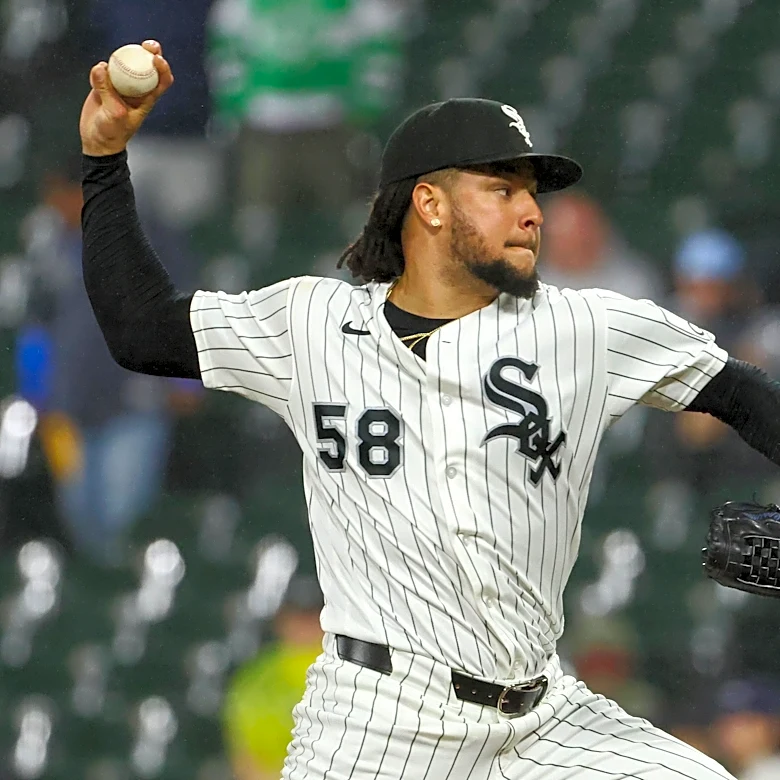
Hopefully, Thursday’s trade with the Chicago White Sox to acquire RHPs Luis Castillo and Davis Martin shows the end of the “super bullpen” fallout. After all, Colorado is now a very different organization than it was in 2019 and 2020. It is led by a new front office, a new coaching staff, especially on the pitching side, an actual analytics team that uses advanced equipment and technology, a performance lab, and support staff that includes a performance dietitian. Perhaps Davis’ story would have played out differently if he had those resources and staff to help him. Of course, we’ll never know, but it’s interesting to consider.
The Rockies are putting in the infrastructure to support players in the modern game, while also trying to help pitchers combat the challenges of going back and forth to play in the Mile High City. Those are things Davis didn’t have. It’s still no easy task to pitch for the Rockies. But — just maybe — that’s a narrative that can change.
Join the conversation!
Sign up for a user account and get:
- Fewer ads
- Create community posts
- Comment on articles, community posts
- Rec comments, community posts
- New, improved notifications system!
Download the SB Nation app on iOS or Android.
Please keep in mind ourPurple Row Community Guidelines when you’re commenting. Thanks!