



This article could be obsolete by the time you finish reading it.
Honestly, it might be outdated by the time I finish writing it, which is a deeply stupid way to live and yet exactly what NBA free agency does to us. One minute we’re trying to make sense of a quiet day for the Celtics. The next, some team in the Western Conference has apparently offered three picks, two rotation players and a lightly used Panera franchise for Jaylen Brown.
At this very moment, though, the Celtics are quiet, which is usually
not a problem.
Brad Stevens’ front office has rarely operated like a group desperate to narrate its own process in real time. The Celtics rarely leak every thought or turn every roster question into a public referendum. More often than not, the move arrives first and the explanation follows later.
That is easier to live with when the direction feels obvious.
But right now, the Celtics’ compass is spinning around like we’re Jack Sparrow aboard the Black Pearl.
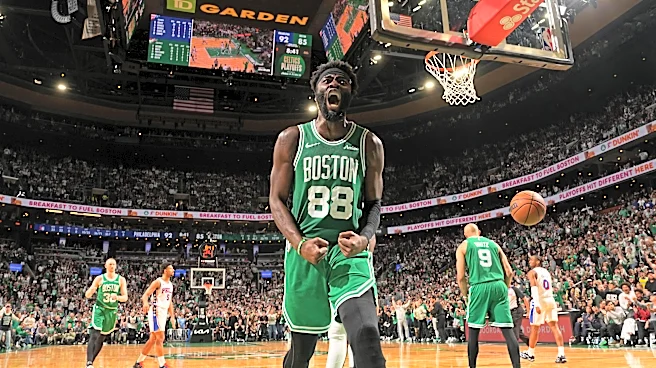
Free agency opened Tuesday night, and Boston’s most notable moves were exercising team options on Dalano Banton, Neemias Queta and Jordan Walsh. Those decisions aren’t nothing, especially for a team that needs affordable depth, but they do not answer the larger question hanging over the offseason.
What are the Celtics actually trying to be?
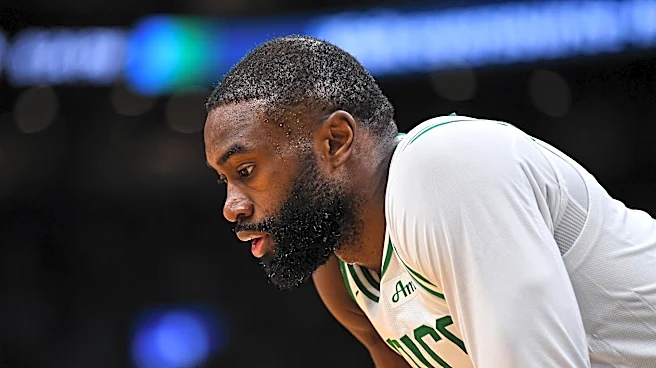
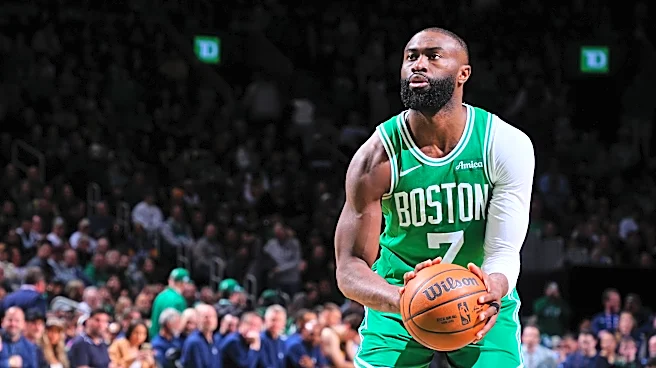
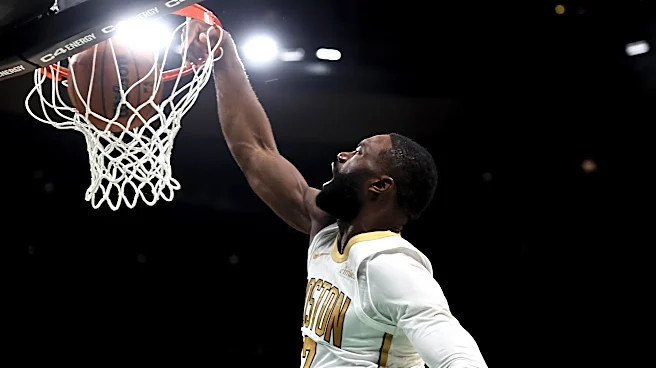
That question starts with Jaylen Brown, whether anyone wants it to or not. The Celtics can talk about center depth, perimeter speed, rim pressure and free-agent targets, but it is hard to make moves around the edges when nobody knows what is happening at the center of the roster.
If Brown stays, Boston is building one kind of team. If he is traded for win-now help, the shape changes. If the Celtics are truly looking for a massive pick package, that suggests a different timeline entirely. Maybe those picks would be rerouted later, or perhaps the asking price is posturing. It could be that the market is telling Boston something it did not expect to hear.
The annoying answer is also the honest one: we do not know anything.
The questions above Brad’s desk
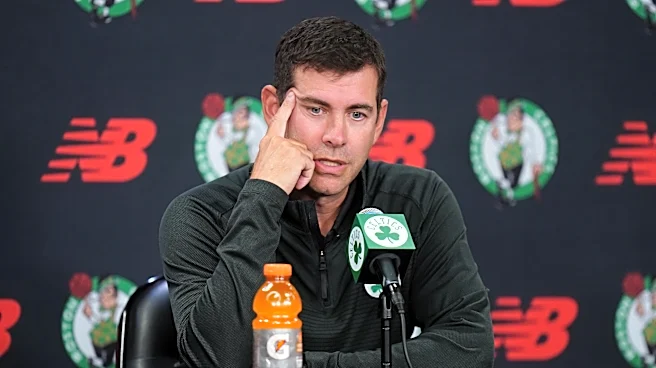
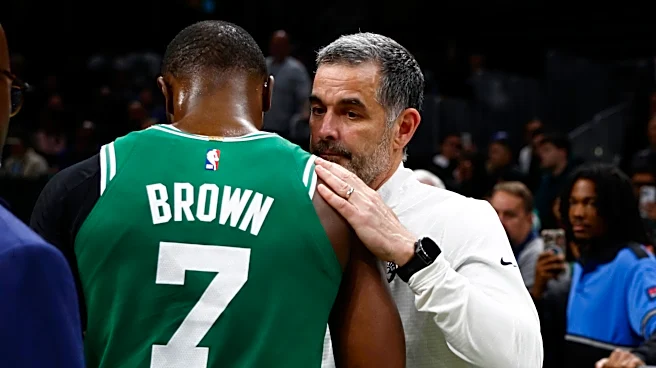
At his end-of-season press conference, Brad Stevens offered one of those lines that sounds simple enough until the offseason starts making it complicated.
“I’ve got a little sign above my desk that says what do you want? What’s true? And how do you get there?” Stevens said.
Those feel like critical questions hanging over Boston’s offseason. There is no mystery about what the Celtics want. Stevens said as much. They want to win.
The harder part is what is true, and how do we get there.
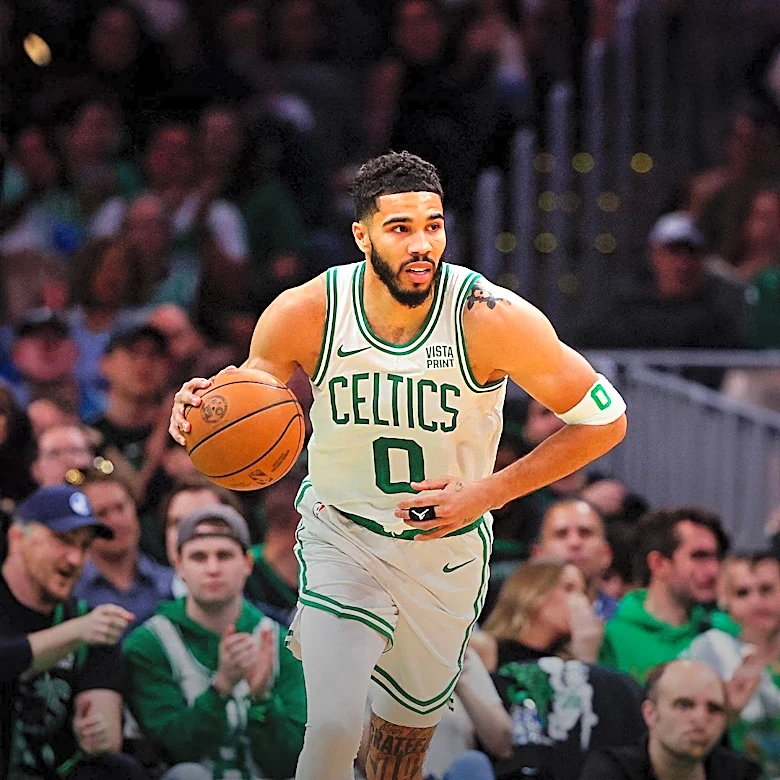
Boston won 56 games in a season where Tatum missed months while recovering from an Achilles injury. Young players became real contributors. Brown carried a heavier burden and kept the Celtics near the top of the East all season. There were things worth feeling good about, even after a first-round exit that left everyone irritated and confused.
Stevens did not try to dress up the ending.
“There’s no question when you look at what’s true that though we did a lot of good things, we lost in the first round,” Stevens said. “We were also 3 and 11 against the top three seeds in the West and the other top two in the East, and so we’ve got to get better.”
That is the tension. The Celtics were good and also not good enough when the season became less forgiving.
Stevens talked about needing a bigger margin for error. He talked about struggling to generate good looks against Philadelphia, especially on first-shot offense. When asked about the team’s shot profile, he kept coming back to the same point: Boston needs more ways to put pressure on the rim.
“I think one of the things that we’ve got to figure out is how to have more of an impact at the rim,” Stevens said. “I think we do need to add to our team to do that.”
That should give the offseason some shape.
The Celtics need size, speed, and players who can create easier offense instead of waiting for the next contested three to feel spiritually justified. Stevens said play style comes after roster, which makes sense. You figure out who you have, then build the basketball around that group.
The problem is that nobody outside the building knows who Boston is going to have.
The stillness feels different this summer
Normally, waiting on Stevens feels like just another offseason in Boston.
He has earned that trust. Derrick White did not arrive in Boston with a flashing neon sign that said, “future indispensable championship guard.” Trading Marcus Smart hurt badly, but the roster eventually made more sense with Jrue Holiday and Kristaps Porziņģis, and that pain was quickly replaced with euphoria after securing Banner 18. Stevens has made enough patient, sharp moves that silence from the front office does not automatically mean nothing is happening.
This offseason is different because the silence is competing with a lot of outside noise.
Brown has been linked to trade rumors for an uncomfortably long time. To remind anyone who just got back from a space expedition or is waking up from a coma (congrats on your return from either), Brown was reportedly at the center of Boston’s pursuit of Giannis Antetokounmpo before Milwaukee chose Miami’s package. Since then, the reporting has continued, from teams checking in on Brown to questions about whether the Celtics would have to lower their asking price. Adam Himmelsbach reported that Brown has grown frustrated with the organization’s approach, while also noting that he could still return next season even if uncomfortable conversations have to happen first.
That is a lot to hang in the air while the Celtics wait to make their first real free-agent move.
It also makes every possible path harder to read.
Are the Celtics still trying to win now around the Jays? Stevens said after the season that he does not think they are “way far away,” and he noted how good the team has been when full. That sounds like a front office trying to improve around the margins, not tear the roster down.
Other signals point in a murkier direction. If Boston really wants a pile of first-round picks for Brown, fans are going to wonder whether the franchise is trying to reset the timeline. Maybe that interpretation is too dramatic. After all, picks can become cornerstone players or part of a splashier trade. They can also become the thing a team collects when it no longer sees a clean path forward with its current core.
The first meaningful move might tell us which version of the story the Celtics believe. Until then, every quiet day leaves room for another round of speculation about whether Boston is still trying to repair the present or quietly preparing for something else.
Doing nothing for a little while is not failure. It may simply mean the Celtics are waiting for the Brown situation to settle before committing resources elsewhere.
Still, waiting feels different when nobody knows what’s waiting around the corner.
The first move will be the loudest
For most of the Brad Stevens era, the answer to the biggest question was obvious. Are the Celtics trying to contend? Of course. They had Jayson Tatum and Jaylen Brown, and when those two are on your roster, everything else can be understood through that lens.
Now, Brown’s status is hanging over the entire offseason. Since we do not actually know what is happening behind closed doors, the relationship between Brown and the front office could be perfectly salvageable. The subtle signs on social media could mean something, or they could mean nothing at all, because NBA free agency turns normal people into amateur detectives with very bad evidence.
If Brown is frustrated, that would be understandable, and Stevens would have work to do if Brown is still part of the plan. Hard conversations may be required. A clearer public commitment could help. Money might eventually become part of the answer, too, with Brown eligible later this month for a reported two-year, $142 million extension.

That brings the offseason back to the sign Stevens said he keeps above his desk: “What do you want? What’s true? And how do you get there?” The first answer still feels simple. The Celtics want to win. The rest is harder. What is true about Brown’s relationship with the organization? What is true about his trade market? What is true about a roster that might still be built around the Jays, unless the front office is already preparing something else?
Stevens’ sign ends with the part everyone is waiting on: how do you get there? If Brown is staying, the path starts with repairing whatever needs to be repaired and adding enough around the Jays to make another run possible. If he’s not, the path leads in a direction that we haven’t traversed since Brown was drafted ten years ago. Right now, the rest of us are staring at rumors, refreshing apps and pretending we can read front-office strategy from Instagram activity.
Eventually, Boston will give us something concrete to work with. Until then, the Celtics’ silence will keep feeling less like patience and more like an entire fanbase asking Brad Stevens for directions.