

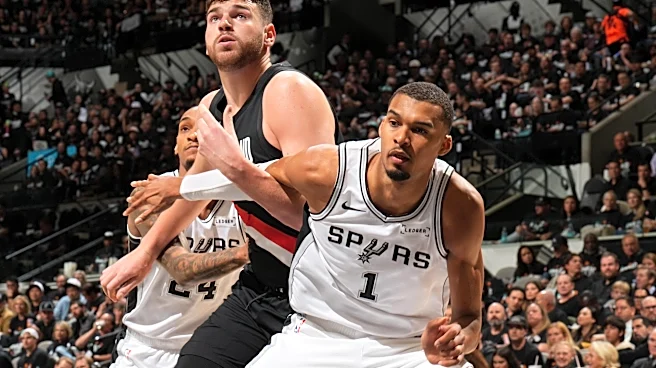
The Portland Trail Blazers are in the midst of a gloomy two-game losing streak as they prepare to face the Oklahoma City Thunder tonight. All things are relative. For the past few years, two games wasn’t so much a losing streak, just your average Tuesday and Wednesday for Portland. But the Blazers are off to a 6-3 start to the season. Losses to the Los Angeles Lakers and San Antonio Spurs literally tripled their loss-column tally. That’s causing some concern in Portland, as evidenced by this Blazer’s
Edge Mailbag submission.
Dave,
What happened to the Blazers? I thought I saw positives and I thought they were sustainable. Losing to the Lakers was ok. They looked pretty normal or at least not horrible. But this was a different team against [San Antonio]. It looked like they forgot everything they learned in the season and went back to playing like they did before. Is it just injuries and tougher opponents or what’s going on? Was the first few weeks of the season a mirage or what?
Ben
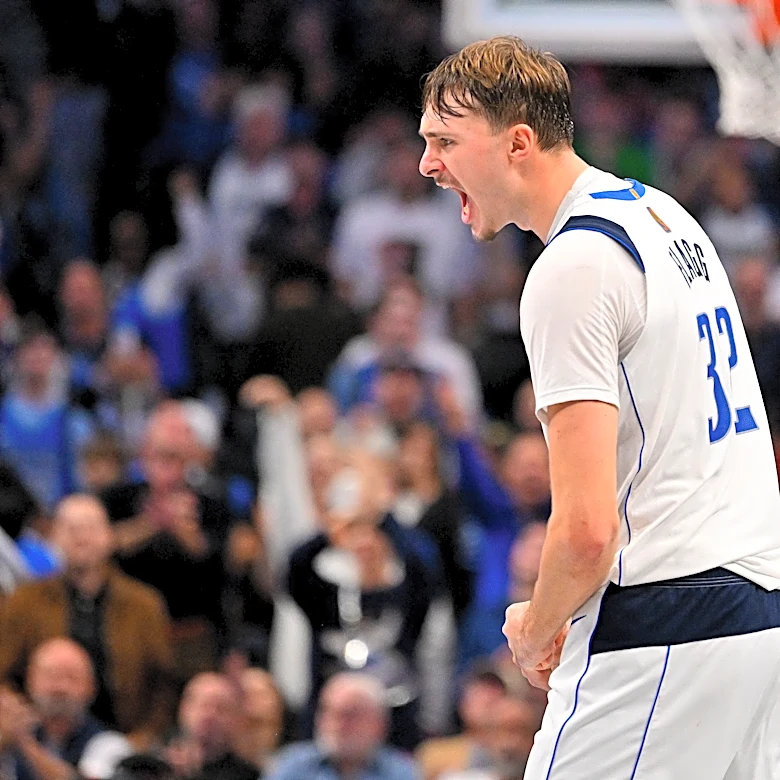
It wasn’t a mirage, though a couple of the opponents were weaker. Nor were the losses to L.A. and San Antonio unexpected. The Blazers had beaten the Lakers earlier. Losing twice on their home court to Portland would have been a blow to Los Angeles. Also Luka Doncic is a wildcard who can turn any game at this point. The Luka Tsunami just overwhelmed an otherwise-big scoring night for Portland.
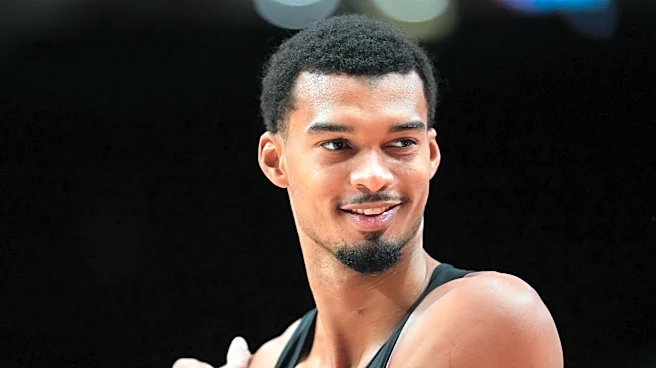
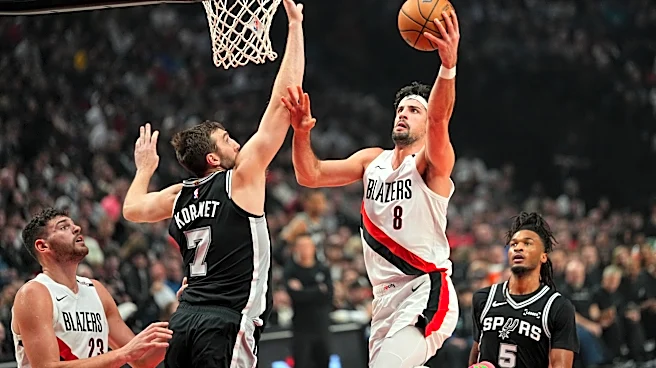
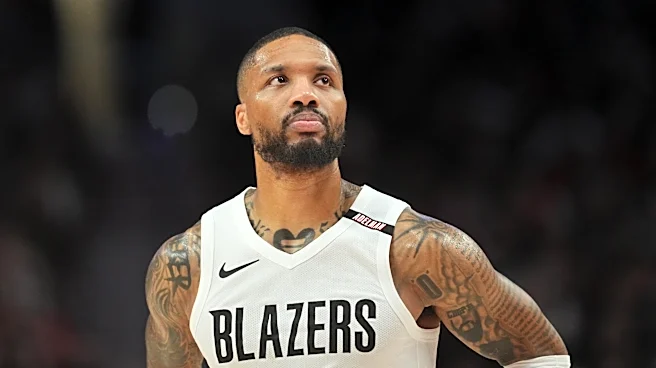
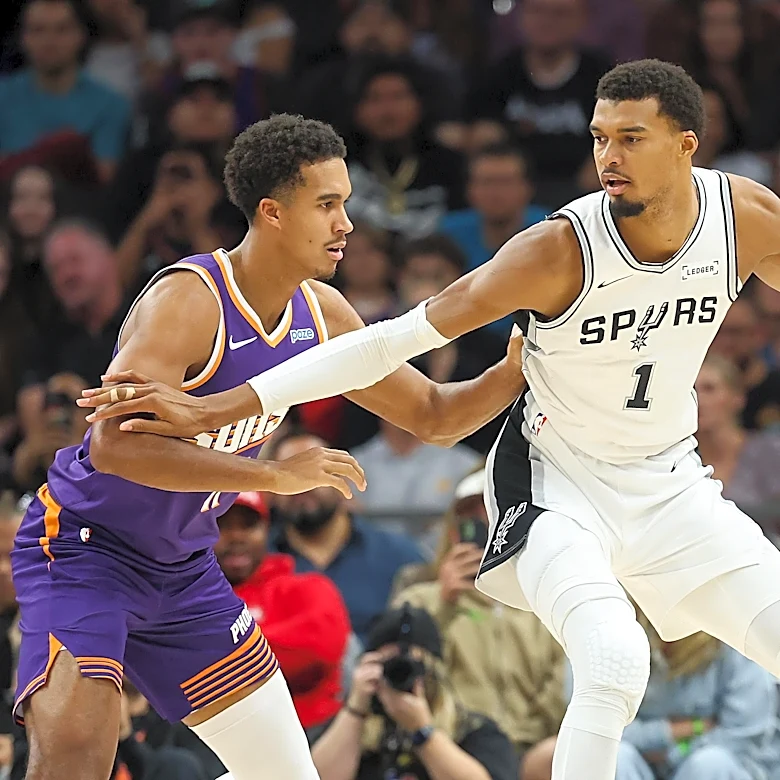
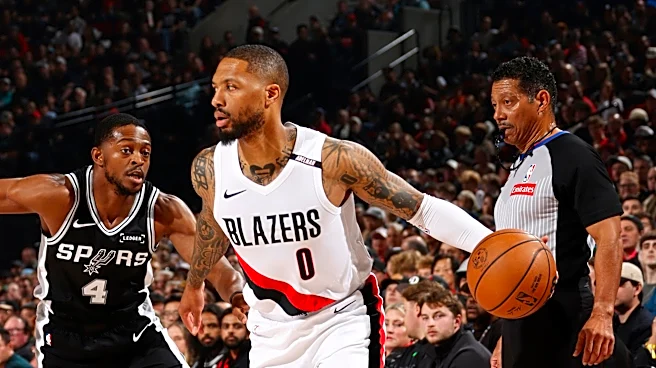
The San Antonio loss was ugly because the Spurs have the exact formula to foil the Blazers. Portland’s offense is predicated on penetration, then easy buckets or dish-outs for open threes. They want a layup or a really good look beyond the arc, nothing else. That works as long as the dribbler (Ja Morant, Deni Avdija, occasionally Damian Lillard) bends the defense towards him, creating space at the arc. San Antonio has a one-man wrecking crew inside in Victor Wembanyama. They don’t need to collapse into the lane to guard it. Whether or not Wemby was down low against the Blazers, the Spurs were confident they could contain dribble penetration with a single guard. Keeping that single coverage, at least on the initial drive, allowed San Antonio to keep men home on Portland’s shooters too. That spelled doom for the Blazers’ offense. Portland is only an average three-point team when they’re wide open. When they’re covered, it gets ugly fast.
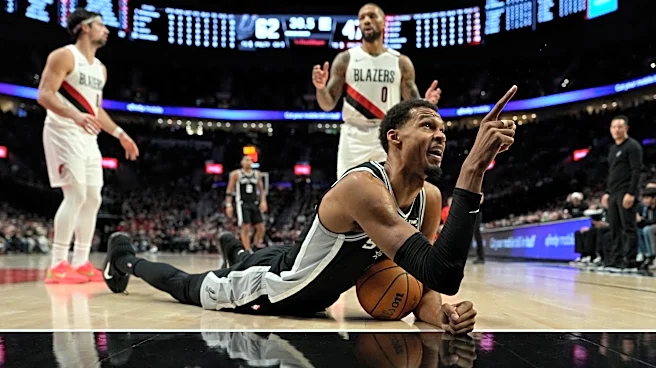
It got to the point against San Antonio where you saw the Blazers eschew penetration entirely, simply passing the ball around the perimeter to try and find someone open from deep. When they set screens, they didn’t create driving lanes, just a little more sideways space for a long shot. That’s not Portland basketball. Unsurprisingly, it wasn’t successful.
It’s still early in the season and sample sizes are quite small, but there is a possible pattern developing in Portland losses. It’s not a trend yet, but something to watch.
So far, the Blazers have been vulnerable under these conditions:
- They shoot fewer field goal attempts than average, and…
- More than 50% of their attempts come from the three-point arc.
Most of Portland’s wins so far feature a higher-than-average number of field goal attempts, often with a lower-than-average percentage of those shots coming from distance. The only victory that bucked this trend came against the Utah Jazz, where Portland took only 76 shots (against an 85-shot average), 44 of them from the arc (58%).
In their loss to the Memphis Grizzlies, the Blazers took a higher-than-average number of shots but 54% of them came from the three-point arc. In their loss to the Lakers they took a lower-than-average number of shots (70) and 61% of them came beyond the arc. San Antonio held the Blazers to about average attempts (84), far fewer of them from distance (42%). But Portland fired only 9-35 on threes in that game, so it hardly mattered.
Again, it’s way too early to conclude anything, but if I were you and I were asking why the Blazers were looking rough, I’d ask whether the opponent is defending well enough to limit the total number of field goal attempts, defending the inside well enough to make the Blazers rely on the three-pointer more than they already do. I suspect as we go onward we’re going to find that teams that slow Portland down and keep them on the perimeter are going to be super successful.
As we said in an earlier post, neither the lane-scoring power nor the distance shooting of the Blazers are enough to keep them afloat on their own. The synergy between the two—keeping opponents guessing which one to guard then hitting them where they ain’t—is the secret sauce on Portland’s offensive burger. Stopping one aspect means stopping both, since defenders are free to cover paint and arc without worry. Without the inside-out motion, Portland’s offense isn’t potent. Without a potent offense, the Blazers just can’t get up enough points to keep up with their decent-but-middling defense.
Watch to see if this trend holds up, and thanks for the question! If you want to send in your own, you can email it to blazersub@gmail.com and we’ll try to answer as many as possible!