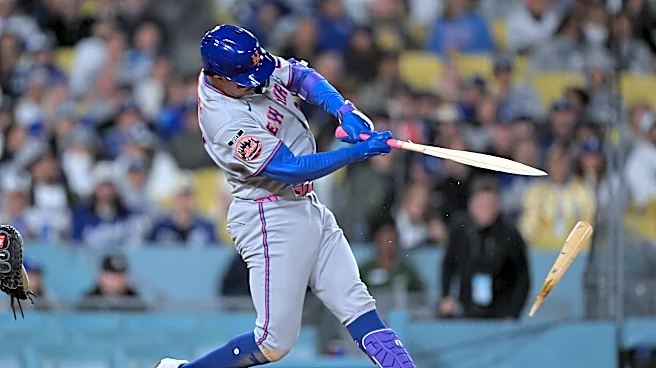





After having spent years experimenting in limited capacities and controlled environments, MLB officially rolled out the Automated Ball-Strike Challenge System for the 2026 season
.The allure of analyzing the entirely new type of data that ABS challenges present has been hard to resist. To be able to draw any useful conclusions, though, we all collectively needed to wait for the sample size to get to a somewhat meaningful size. On Tuesday, official ABS challenges in regular season MLB games crossed
the one thousand mark. That big round number would seem to be a reasonable minimum mark to start looking at the data.
At start of play Wednesday, here’s where the league wide basics stood:
- Overall success rate on challenges has been 54% so far, with a notable difference between those initiated by hitters (47%) vs. those from fielders (60%).
- Almost all fielder reviews have been initiated by catchers, with only 21 of the 554 having come from pitchers.
- Teams so far have very different tendencies for when to challenge: The range of challenge attempts extends from the Minnesota Twins at 58 all the way down to the Boston Red Sox at only 20.
- Teams are spreading their challenges around: No individual batter has initiated more challenges than José Caballero of the Yankees with a mere seven.
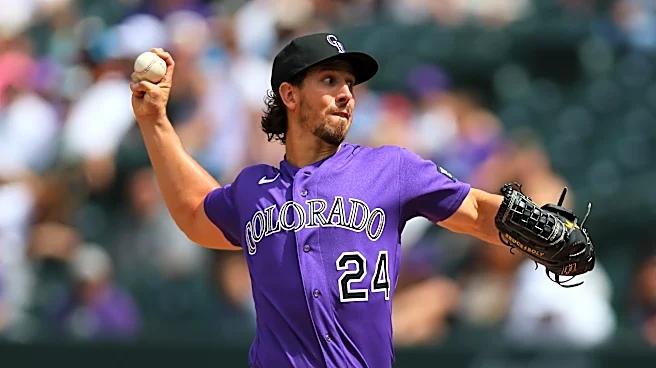
How have the Rockies specifically fared with this new system given their pre-season preparations?
The answer to that is vastly different between their batters and their fielders.
Batters
Before Wednesday’s game, the Rockies batters had challenged 21 pitches and only succeeded on eight of those for an obviously poor 38% success rate.
Baseball Savant has put together a new metric called Runs vs. Expected which attempts to create a digestible overall run value for a team based on the challenges they attempted, their success rate, and the challenges they did not attempt but could have been expected to based on average trends. Essentially, the idea is to spit out an estimate of how many runs have been gained via ABS challenges compared to what an average team would be expected to have in the same circumstances.
The Rockies overall challenge win rate is not the lowest; however, their poor win rate combined with having initiated the fourth highest number of challenges means that Baseball Savant ranks the Rockies batters dead last in terms of Runs vs. Expected.

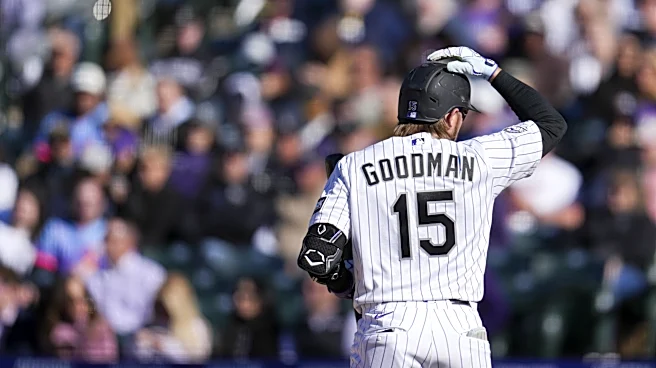
Like most teams, the Rockies are spreading their challenges around — the only hitter on the team who has challenged more than three times is Hunter Goodman. As a batter, Goodman has a won one challenge and lost four for a success rate of 20% in a very small sample size.
Fielders
The fielding side is a very different picture. The Rockies have initiated 27 challenges and won 19 of them for a sparkling 70% success rate.
Using the same Runs vs. Expected abstracted stat from Baseball Savant as examined above for their batters, the Rockies rank fourth in the league for fielder initiated challenges. They are tied with the Kansas City Royals and rank behind only the Miami Marlins, Seattle Mariners, and Minnesota Twins.

Both of the Rockies catchers have a success rate of over 70% and rank within the top ten in the league in total challenges won. The teams overall average is brought down slightly by José Quintana’s single failed attempt, but the tandem of Hunter Goodman and Brett Sullivan both been very good at utilizing this system.
Conclusions
Most players and teams strategies for how best to use this system in practice vs. in theory are still evolving. It will probably be a few seasons before these numbers start to really stabilize and we learn what the norms are. But, at first glance, the Rockies are in an interesting spot.
Their batters are doing far worse than average but their catchers (when not batting) are doing far better than average. They can go one of three ways given this:
- Put coaching resources into trying to improve their hitters success rate.
- Limit the circumstances in which they want to let their hitters challenge, thus saving more challenges for their fielders.
- Wait for more data before jumping to conclusions.
Any path forward is fine, so long as it’s not one that limits Brett Sullivan and Hunter Goodman while behind the plate as they both seem to be pretty darn good at this so far.
On the Farm
Triple-A: Albuquerque Isotopes 4, Oklahoma City Comets 3
A home run from Nicky Lopez and a big four hit day for Vimael Machín was pretty much all the offense the Isotopes needed to best the Comets. Keegan Thompson threw a solid 4.2 innings of two run ball before handing it off to the bullpen which shut down the Comets until a shaky 1.1 innings from Seth Halvorsen who allowed their final run in the ninth.
Double-A: Hartford Yard Goats 11, Richmond Flying Squirrels 13
On a warm night in Hartford the bats were scorching. Bryant Betancourt was four for six including a homer, Skyler Messinger was two for three with a double and two walks, and Zach Kokoska (who came in for Benny Montgomery after he hurt his leg on a play against the right field wall) was two for four with a walk and a home run. On the mound it was a tough night for both the starter Jake Brooks and closer Cade Denton as each of them allowed five runs.
High-A: Spokane Indians 6, Vancouver Canadians 14
The Spokane lineup managed to score six runs despite no individual batter having more than two hits and Max Belyeu’s triple being their only extra base hit. A true team effort! On the mound it was, sadly, a similarly collective effort in terms of every pitcher contributing to the mountain of runs allowed. Yujanyer Herrera (five runs in 2.1 innings) and Justin Loer (four runs in 0.2 relief innings) bore the brunt of the damage from the Canadians’ bats.
Low-A: Fresno Grizzlies 9, Ontario Tower Buzzers 16
Wednesday was a night that Jhon Medina likely wishes to forget after having allowed eight earned runs in 0.2 relief innings after Marcos Herrera was pulled for the fourth after 77 pitches. On the hitting side, things went better, as Fresno hitters earned nine walks en route to those nine runs. In terms of standout performers, Jack O’Dowd hit the lone home run for the Grizzlies but Tanner Thach reached base three times including once on a double.
How to Judge the 2026 Colorado Rockies fairly | Mile High Sports
Drew Creasman digs into how best to evaluate a Rockies team that is expected to lose a lot. It’s a similar premise to an article I wrote before the season looking for a metric to judge the team by, but Creasman lays out the case for a measure that allows checking in more regularly and directly corresponds to how fun the team is to watch.
Sean Keeler makes a case for something that is probably familiar with Rockies fans: Now is the time to work out a restructured contract with Kris Bryant that officially sees him removed from the team. Keeler draws parallels between what could become of the current situation with Bryant and how the Bronco’s saw almost immediate success after parting ways with Russel Wilson.
Colorado School Breaks College Softball Winning Streak Record | Westworld
Benito L. Kelty puts the spotlight on the Colorado Christian University softball team who are currently amidst a 38-game winning streak. This is the record within the Rocky Mountain Athletic Conference that they play in and it is possible that they could soon be challenging for the overall NCAA record of 55 consecutive wins. This is a local sports story absolutely worth keeping an eye on even if not directly tied to baseball.
Join the conversation!
Sign up for a user account and get:
- Fewer ads
- Create community posts
- Comment on articles, community posts
- Rec comments, community posts
- New, improved notifications system!
Please keep in mind our Purple Row Community Guidelines when you’re commenting. Thanks!