



The Dallas Cowboys have spent the last few seasons shuffling around resources as they try their hardest to build a balanced football team. Managing funds is never easy, but the front office has been remarkably aggressive in shifting resources to find the right combination of talent to get them in the win column on Sundays. By navigating a series of big trades, saying some very difficult goodbyes, and wading into the free agent pool a little deeper, they have completely remodeled the roster. The goal
was always a more balanced football team, but the journey to get there has been a wild ride of moving money from one position group to another.
To paint a good picture of what this transformation looks like, we’re going to analyze the top 20 most expensive players on the roster in each of the last two years, as well as what they have coming into the new season. We want to gain an honest evaluation of resource allocation, meaning, how much talent the team is bringing to each position, from year to year. For this reason, we are using a metric we are calling cap resource percentage. This is simply a player’s average annual cost divided by that year’s salary cap. This will disregard any contract restructures that push out money into future seasons to open up space that year. By using average salary, we’ll gain a more accurate representation of the team’s investments.
Starting with 2024, here is what the Cowboys’ cap resource percentages looked like by position group.

Back in 2024, the strategy was pretty clear. Outscore everyone and ask questions later. The offense was the undisputed king of the payroll, gobbling up the vast majority of the team’s resources. Obviously, Dak Prescott carried the heaviest weight there, as any team with a franchise quarterback playing beyond his rookie contract will attest to. Next in line was the wide receiver position. With both CeeDee Lamb and Brandin Cooks commanding a decent paycheck, the Cowboys were essentially betting the house on their aerial attack. It was a top-heavy approach that set the stage for some high-flying Sunday afternoons. Sadly, the offense underperformed, which was only made worse when Prescott’s season was cut short midway through.
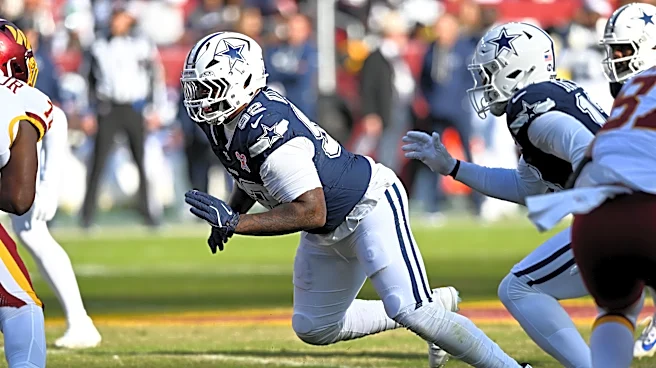
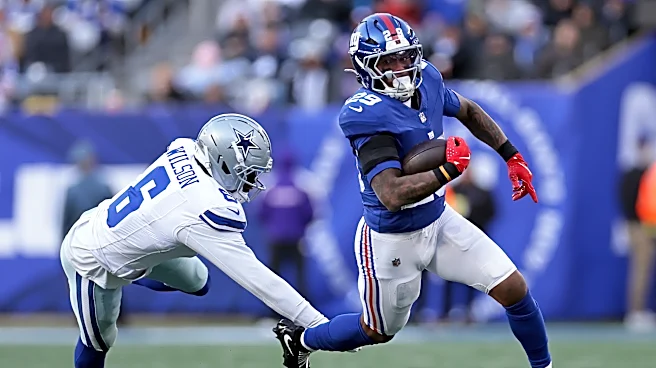
On the defensive side of the ball, the spending was far more fragmented. Rather than loading up on one specific unit, the front office sprinkled its investments across three different levels. They had money tied up in Trevon Diggs at cornerback, Micah Parsons (still on his rookie deal) and DeMarcus Lawrence on the edge, and Donovan Wilson at safety. It was a diversified portfolio approach to defense, but it never quite felt like they had enough firepower to make an impact. They were paying for stability rather than dominance, which set the stage for the massive pivot to come.

Last season, we saw the pendulum swing hard toward the defense. While Prescott still represented a major piece of the financial pie, everyone was anticipating the massive investment that would become a long-term deal for Parsons, only to watch in amazement as the team went a different direction. The Cowboys did throw big money towards defense, but it went to the interior of the trenches, not the edge. After already handing Osa Odighizuwa a pricey new deal, they went out and traded for more heavy hitters, Kenny Clark and Quinnen Williams. Suddenly, the middle of the Dallas defense was the most expensive real estate in the league. To top it off, they added a second premier salary to the secondary as DaRon Bland joined Diggs as a high-priced corner.
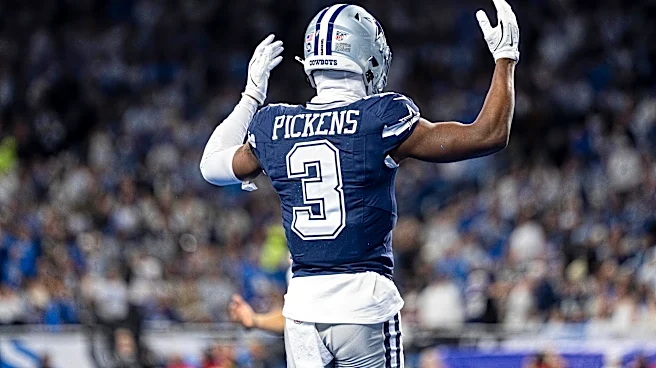
As the defense bulked up last year, the wide receiver moved out of the top four. With Brandin Cooks out of the picture, CeeDee Lamb was left flying solo as the only major investment at the position; however, the team did get a nice boost from the George Pickens trade. This move hardly changed the financials because Pickens was in the last year of his low-cost rookie deal.
And finally, let’s see what they have brewing this season.

Looking ahead to 2026, the pendulum has swung back yet again, and the offense is officially back, holding the top three spots. The big swing here is the added cost of franchise tagging Pickens, whose contract helps push the wide receiver position atop the spending chart. After a big year from Pickens, the team realized they wanted both of their receiving stars, even if it inflates the payroll. By bringing in another high-end target, they have restored that offensive punch that made them so dangerous a few years ago, giving Dak a loaded arsenal to work with.
Even with the offense reclaiming the top spot, the defense is still in a very respectable place. Defensive tackle remains the highest-funded group on that side of the ball, maintaining that identity of strength in the middle. We did see the cornerback spending dip back down following the release of Diggs, but that money did not go to waste. Instead, it migrated to the safety position. With new investments in Jalen Thompson, P.J. Locke, and the highly anticipated Caleb Downs, the Cowboys have built a secondary that is deeper and more versatile than we have seen in years.
It should be noted that the offensive line has been rather stable through these last three years, with two starters signed to bigger deals while the other three are on low-cost rookie deals. The financial transition from Zack Martin to Tyler Smith keeps the offensive line price steady, but expect that to change as some of these rookie deals expire.
When you look at the three-year trajectory, it is clear that the Cowboys are no longer a team that is just patiently willing to roll with who they have. They have been moving money with a specific purpose to ensure no part of the roster stays stagnant for too long. And they have transitioned from a lopsided offensive powerhouse to a more layered, balanced machine. The roster is deeper with resources spread around. There is a genuine sense of momentum building in Dallas, and for the first time in a long time, the plan actually seems to be coming together.