

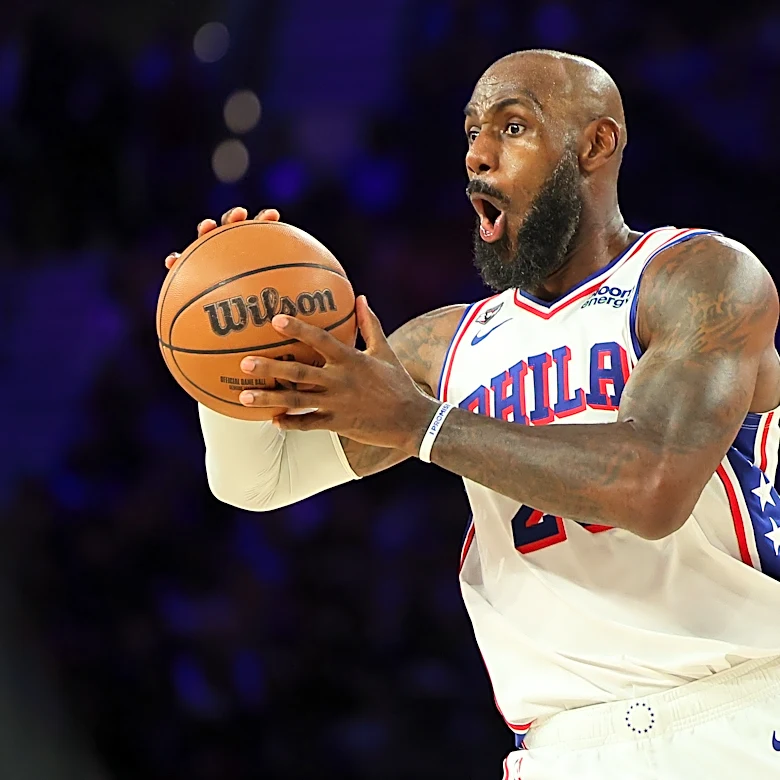
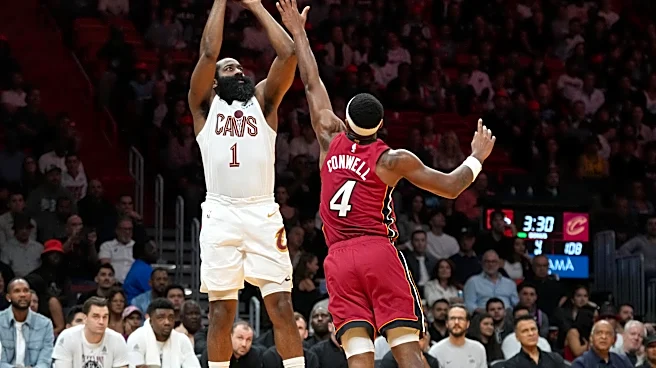
When LeBron James chose to sign with the Sixers this past offseason, jaws largely dropped around the league.
He chose the Sixers over a final homecoming in Cleveland? Over a reunion in Miami where he could team up with Giannis Antetokounmpo, Bam Adebayo and Simone Fontecchio?! Over a Bay Area team-up with Stephen Curry and Draymond Green? Over joining Anthony Edwards and LaMelo Ball on the Timberwolves?
Fifteen games into the season, the Sixers now sit atop the East at 12-3. They have the second-best
record in the NBA, trailing only the San Antonio Spurs and Los Angeles Lakers, both of whom are 12-2. It’s by far the best start LeBron has ever gotten off to with a new team.
And they’re doing that with less scoring than ever by The King.
Prior to this year, LeBron had never averaged fewer than 20.9 points per game across an entire season. Through 11 games, he’s averaging only 15.1 points while shooting 44.3 percent overall (his worst mark since his rookie campaign) and a career-low 22.5 percent from deep.
On Monday, ESPN’s Dave McMenamin reported that “James has asked coaches to be patient with him as he expects to find his rhythm and get his conditioning in line by December as he ramps up.” (LeBron quickly denied that on Instagram.) While social media naturally ran wild with that excerpt, what came next was arguably more telling.
“One Western Conference executive told ESPN that James’ dip in production is evidence that he knew what he was doing when he picked Philly in free agency in July,” McMenamin wrote.
That’s what got lost in the debates over LeBron’s best landing spots over the summer. Everyone seemingly assumed that he wanted to continue averaging 25-plus points per game while being an offensive focal point of his team. But while LeBron has done a remarkably admirable job fending off Father Time, the man turns 42 in December. And Father Time does remain undefeated in sports, even if he occasionally takes longer than expected to claim his victims.
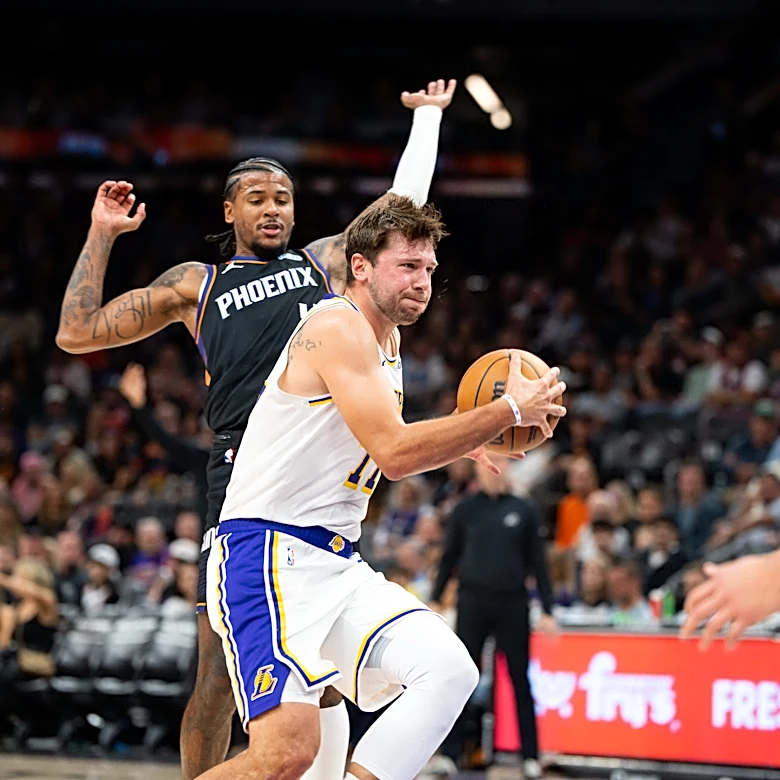
Last year, the Lakers hit their late-season stride when LeBron shifted into more of a tertiary role. In mid-March, Lakers head coach J.J. Redick outright said “the best thing for our team is [LeBron] being the third-highest-used player.” And after the season, LeBron expressed appreciation for how he embraced that new challenge.
“I was put into some positions I never played in my career … actually, in my life,” he told reporters. “I’ve never been a third option in my life. So, to be able to thrive in that role for that period of time and then have to step back into the role that I’ve been accustomed with over my career … and being able to thrive … that was pretty cool for me at this stage in my career.”
Granted, with Luka Dončić and Austin Reaves sidelined in last year’s playoffs, LeBron showed against the Houston Rockets that he’s still able to conjure his usual magic at times. There will inevitably be games this year where the Sixers ask him to take on more of a leading role, too. Their NBA Cup win over the New York Knicks was a good example of that.
But aside from Tyrese Maxey’s megawatt smile luring him in, LeBron might have chosen to sign with the Sixers specifically because he didn’t want to shoulder the load every night anymore.
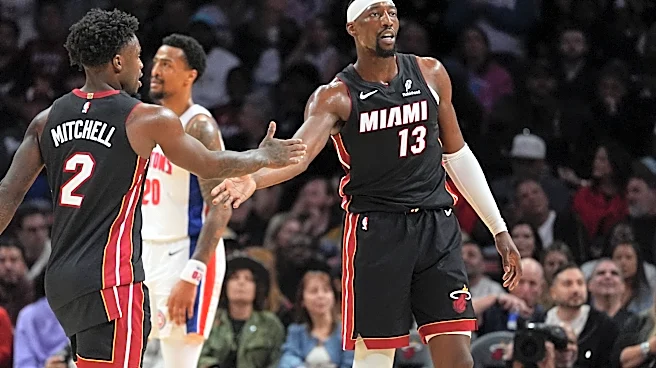
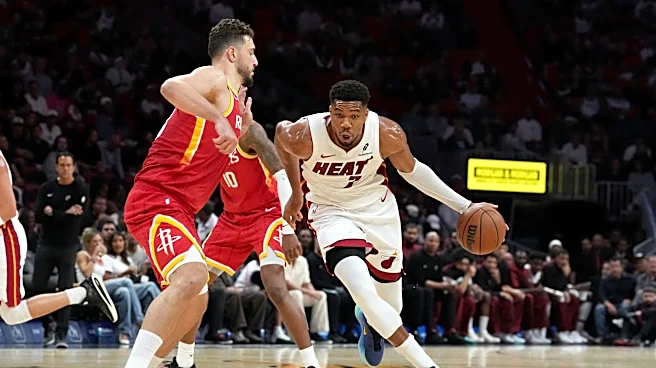
In Miami, he would have been teaming up with a nightly 30-point threat in Giannis. But Bam isn’t exactly a world-beater on offense, and the Heat didn’t have much in the way of reliable offensive depth behind those two. LeBron likely would have been their second-best offensive weapon most nights, and the floor spacing with him, Giannis and Bam all on the floor together would have been even more clunky than the Sixers’ starting five.
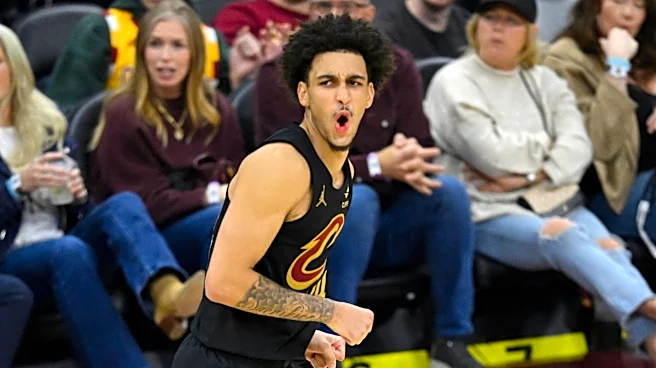
The same goes in Cleveland, where Donovan Mitchell would have been the clear lead banana had LeBron signed there. But James Harden has long been most effective with the ball in his hands and a relative non-factor off the ball. Evan Mobley still hasn’t taken the offensive leap that he was expected to take a few years ago at this point, while Jarrett Allen isn’t much of a threat outside of the paint. At worst, LeBron would have been the Cavs’ third-best offensive weapon.
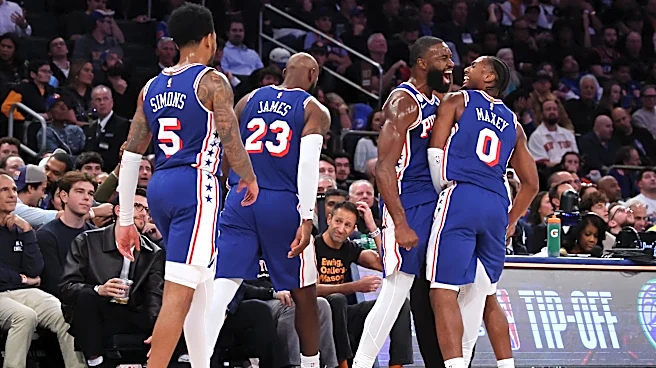
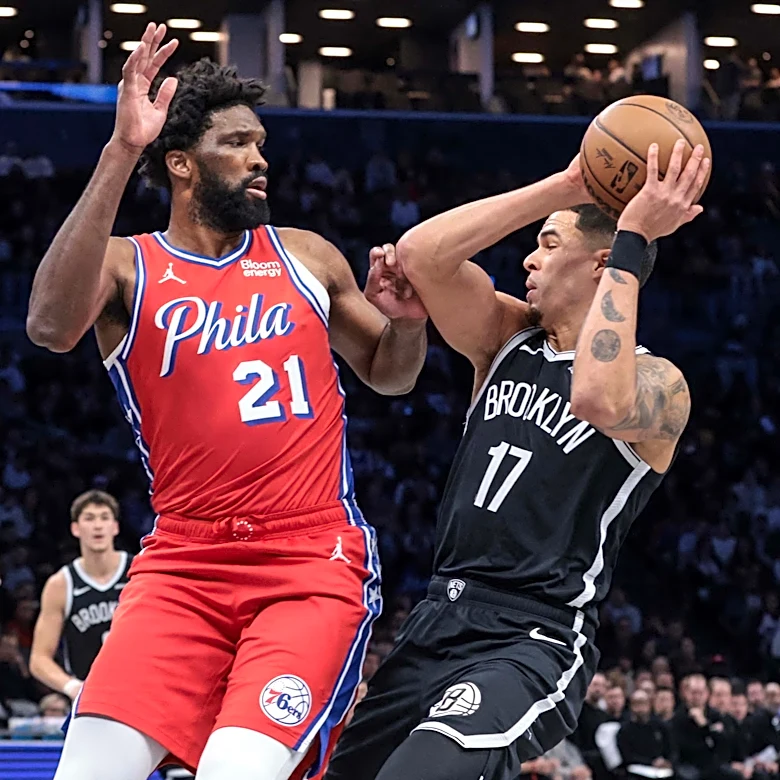
While LeBron is the NBA’s all-time leading scorer, he’s always been more of a playmaker at heart. Philly gave him the best chance to tap into that part of his game, as Maxey, Jaylen Brown, Joel Embiid and VJ Edgecombe all have the potential to take over and bury an opponent. Throw in shooters like Anfernee Simons and Dean Wade off the bench, and he might have been willing to overlook their flimsy frontcourt depth for the time being.
LeBron’s shooting percentages figure to regress positively to the mean as the season wears on, but it’s also possible that all of those years of being a runaway freight train to the rim have finally taken their toll. He isn’t finishing at the basket as explosively as he has for the grand majority of his career. While that might have been a death knell on another team, the Sixers have the high-end talent to make up for it.
So, yes, LeBron might not have had the same type of emotional attachment to Philly than he did to Cleveland or Miami this summer. But from a pure basketball perspective—especially factoring in his potentially diminished scoring prowess at this age—it’s becoming increasingly difficult to argue that he made the wrong choice.