


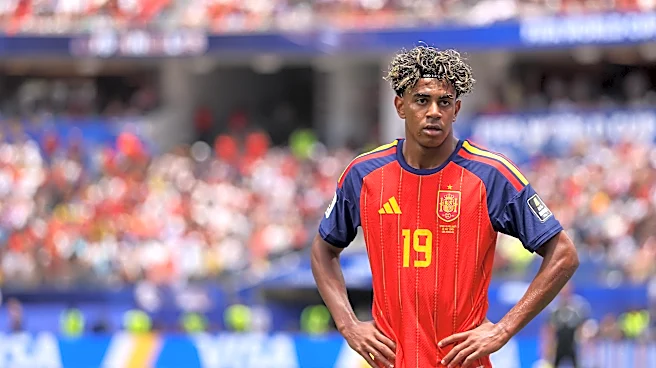


Up until now, there was good reason to be skeptical of Spain at the World Cup.
In spite of their deep run to the semi-finals, they weren’t exactly stealing the headlines for playing thrilling football.
They started the tournament with a shock draw to Cape Verde in the group stage. Their best player, Lamine Yamal, was not scoring goals or getting assists.
Surely, this wasn’t going to be their year.

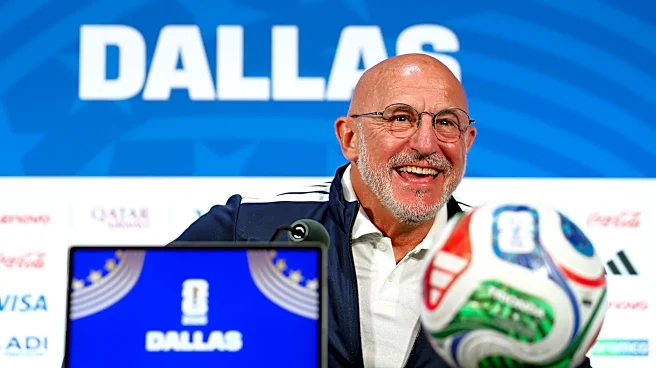
Yet there was one stat that was impossible to ignore as they arrived in Dallas to face France. In the entire
competition, they had only surrendered one goal. Now, they are into the final, and making history as one of the best defensive teams the World Cup has ever seen.
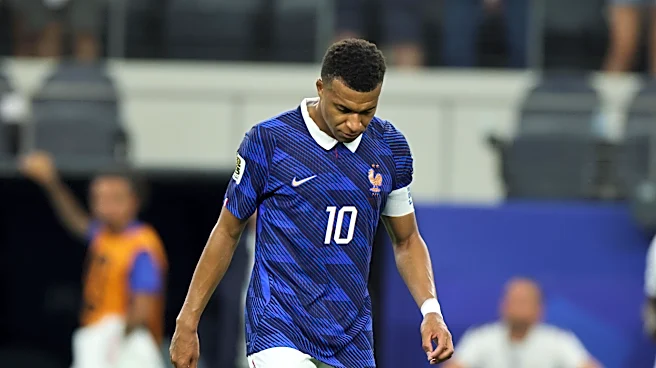
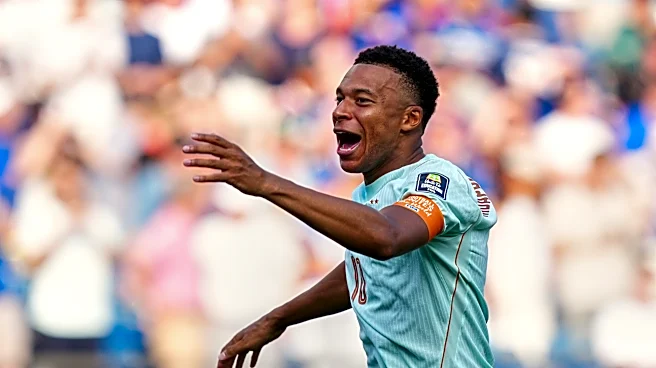
It’s not because they have the most talented defenders in the world. It’s because their tactical approach makes it really difficult for opponents to break through. Even for the likes of Kylian Mbappe and Cristiano Ronaldo.
Let’s skip the group stage for a moment where haram ball often reigns. Against attacking powerhouses like Portugal, Belgium, and France, Spain left their opponents lost for solutions.
The best defense isn’t parking the bus, or being superior physically, it’s being able to prevent the other team from touching the ball all together.
Watching Spain versus France reminded you a lot of a Barcelona versus Real Madrid type of game. France were intimidated and retreated into a defensive shape. Their best hope was to do damage in transition. The problem was those moments never materialized because Spain played like a complete team.
The counter pressing in particular was superb.
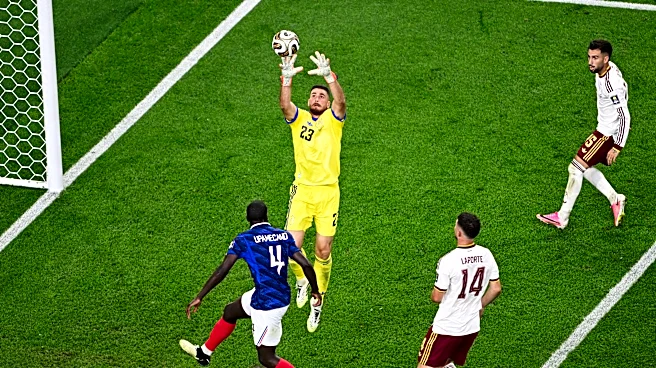
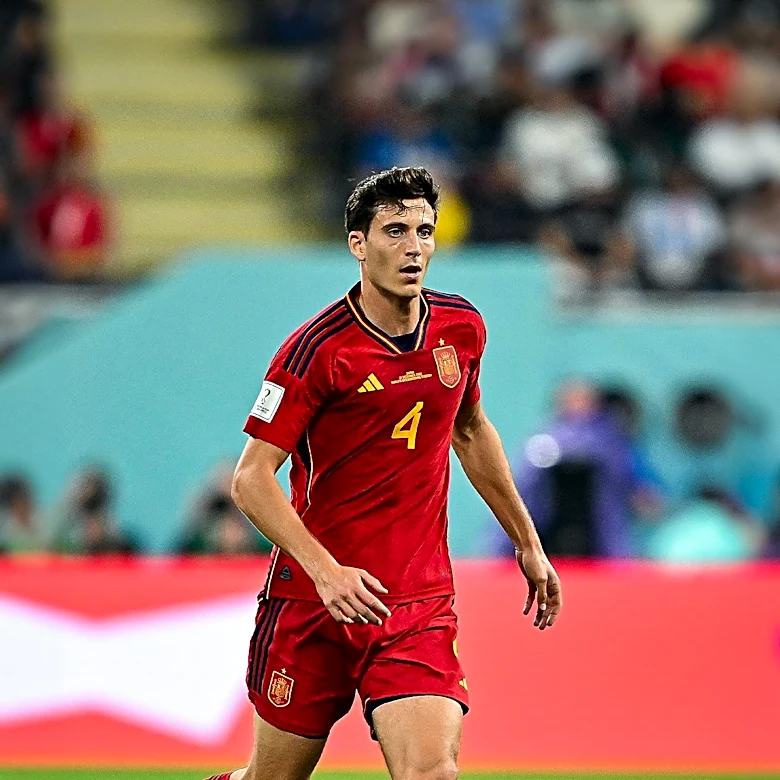
It helped a lot that Unai Simón had the game of his life. In the tournament writ large, however, Barcelona will now regret not making a move for Aymeric Laporte when Iñigo Martínez left for Saudi Arabia a year ago. His partnership with Pau Cubarsí has been picture perfect. There may be worries as well that Real Madrid captured a gem in Marc Cucurella.

To compare Spain to Barcelona is to see a lot of similarities, but also key differences. Hansi Flick should pay attention because the approach La Roja takes in cup competitions may be a useful thing to study if he wants his team to be stronger in the Champions League.
Spain put on a show against France, but in most of the games in this tournament they were downright boring. Effective, but nothing beautiful or entertaining.
Hansi Flick throws caution to the wind, regardless of the context of the game. He wants his team to be direct attacking machines. This makes for a great watch, and it has made them dominant in La Liga, but the inability to adapt tactically in the Champions League has also been costly.

It’s no surprise that Barcelona score so many goals. The tough reality to accept is that they also concede far too many when they are up against other European super clubs.
Spain were fearless against France, and as critical as Lamine Yamal is to them, he is also just a member of the cast. He’s their best player, but he doesn’t have to show up in the score sheet, because they are a true team, not just a group of talented individuals.

The pressure will be on Flick when the Champions League comes around.
For now, with the additions of Anthony Gordon and Karim Adeyemi, he is doubling down on his philosophy, and hoping he can get Barcelona to do it even better.
If it works, he deserves all the credit. If it doesn’t, it will be fair to point at Luis de la Fuente and say, hey there’s another way.

This is what makes football beautiful. It’s a simple game with unlimited tactical possibilities.
Spain continues to be the gold standard.
They can thank Barcelona for much of their success. The Camp Nou, after all, is a laboratory of innovation.
Barcelona, however, should also look back at Spain and say, there’s something to learn there.
Continuous improvement requires introspection.
Hansi Flick, as good as he’s been, must adapt to keep Barcelona at the top of their game.