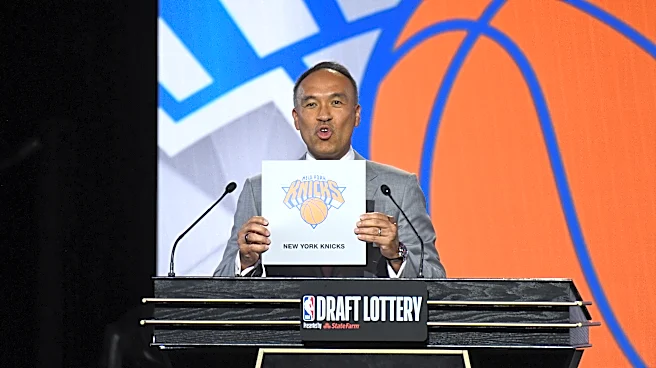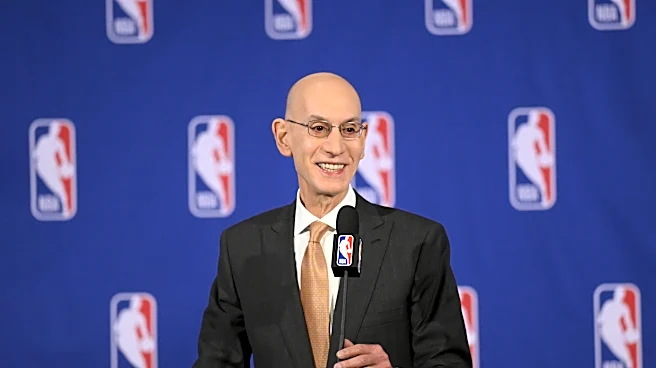





The NBA has informed general managers about the new anti-tanking reforms it hopes to implement as soon as the 2027 season, according to ESPN’s Shams Charania. The wideraging meassures are expected to have enough support from owners to pass.
The new plan completely changes how things work with the lottery, in confusing ways. Ricky O’Donnell from SB Nation summarizes them well:
- The three worst teams in the league are in the “relegation zone,” which means they lose ping-pong balls.
- Teams that finish 4th through 10th in the reverse standings get three lottery balls in the drawing.
- Teams in the “relegation zone” get two lottery balls and can’t fall further than the 12th pick
- “The Nos. 9 and 10 play-in seeds in each conference receive two lottery balls each, and the losers of the 7-8 play-in games receive one lottery ball each.”
- The lottery is expanded from 14 to 16 teams.
- Under the current system, lottery balls are only drawn for the top-4 picks. Now, the first 16 spots in the draft will be up for grabs in the drawing.
- Teams can’t land the No. 1 pick in back-to-back years, and they can’t pick in the top-5 three times in a row.
There is a lot to break down there, mostly bad, and O’Donnell does it masterfully here. Give it a read before continuing.
Now,
let’s get to what matters to Spurs fans:
How does the proposed lottery reform affect the Spurs?
The simplest answer to that question is, it doesn’t. Not in any meaningful way, anyway.
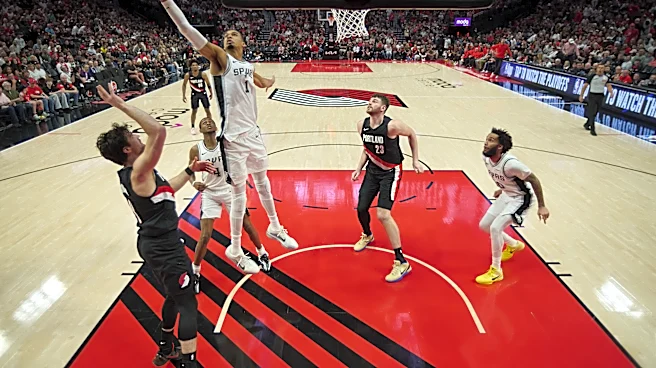
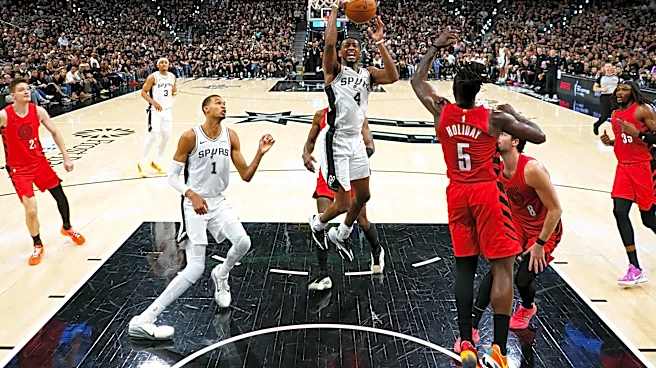
The Spurs owe the Kings a 2027 unprotected first-round pick from the De’Aaron Fox trade, but unless something truly catastrophic happens, they should still be a playoff team next season after winning 62 games this year. After that, San Antonio is in control of all of its picks, which should still not be in the lottery, considering how good and young their core is. The franchise already did its tanking and set itself up for the future.
What happens with the extra pick and the swaps the Spurs have? Not much, once again. There’s a chance the Hawks, who owe the Silver and Black their unprotected 2027 first-rounder, take a step back next season and land in the play-in, giving San Antonio a chance at the top pick. Considering how successful they were once they traded Trae Young, it doesn’t seem likely, but it’s not completely out of the question.
As for the pick swaps the Spurs have with the Mavericks, Celtics, and Timberwolves in 2030, they might not be affected at all. The league can opt out of this format after the 2029 draft, and who knows what could replace it. Even if they keep the format, 2030 is a long time away. Right now, it would be safer to predict that franchises that have superstars will be successful by then, but it’s impossible to be sure. Maybe one of those swaps becomes more valuable, but we won’t know until 2029.
So, if the reform doesn’t affect every team, why is it getting so much attention?
The changes seem like a massive overreaction
Were tweaks to the anti-tanking rules necessary? The answer is yes. Tanking had gotten to a point where something had to be done. Teams were sitting healthy players or having them suit up, play for a half, and then sit them out to ensure they would not win. Few people would agree that doing things like that is good for the league or the fans. But was such a drastic change needed?
The league had an instrument to use already that could have curbed the most blatant cases: fines. The Utah Jazz got fined half a million dollars for essentially point shaving back in February. It might seem like chump change for an NBA franchise, but getting consistently hit with them would hurt.
If fines felt not hefty enough to deter tanking, there are other ways to disincentivize monetarily in a targeted way. What if the franchises that finish in the bottom three in consecutive years don’t get to participate in revenue sharing? What if their salary floor gets raised to force them to spend more? Sanctions like that would directly punish the tanking teams without completely changing things with little notice and potentially creating a lot of unintended consequences because a few franchises were too blatant about their commitment to bottoming out.
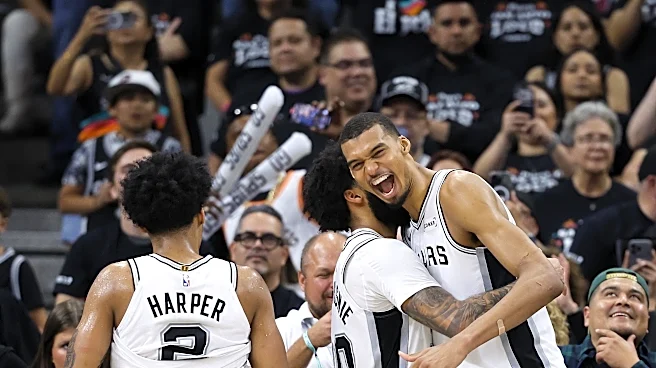
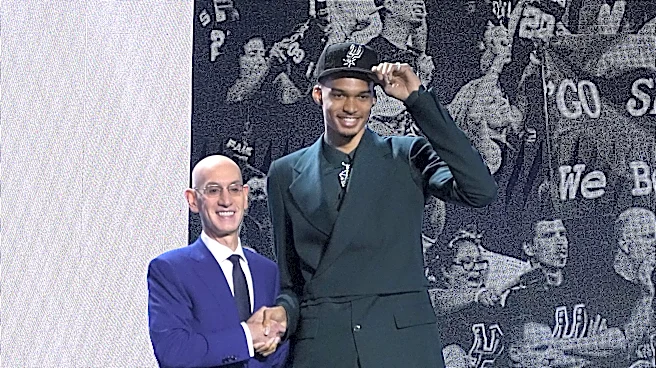
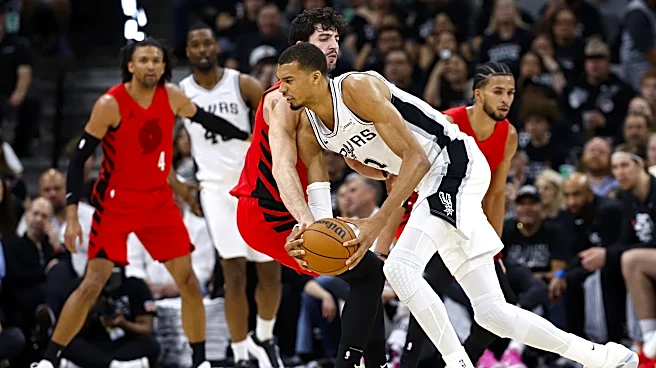
To be fair to the Wizards of the world, this also seems to be a reaction to the success of the Spurs and other teams that built through the draft. San Antonio picked in the top five three years in a row, securing Victor Wembanyama, Stephon Castle, and Dylan Harper. They would not be allowed to do that with the new system. The issue is that while the Spurs made the most of their lottery luck, landing a high pick doesn’t guarantee success. And changing things now makes it harder for the teams that didn’t get to tank like the Spurs without actually punishing the Spurs. It all feels very reactionary.
There will be time after the playoffs to discuss the draft and the offseason. For now, the important thing to know is that even though such a deep reform doesn’t seem like a good idea at first glance, it shouldn’t hurt the Spurs in any meaningful way.