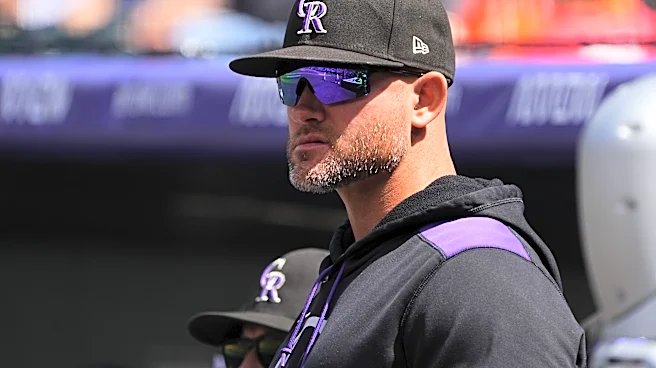





I spent the weekend covering the Colorado Rockies from Coors Field. Generally, I come away from events like these with ideas for stories or player profiles, but I wanted to do something a bit different this time. I found manager Warren Schaeffer’s media availabilities interesting in that I think they might answer some of the questions we’ve seen on the Purple Row board.
So, I thought I would turn today’s Rockpile over to him:
On the value of one-run games:
Winning is a skill, and we’re learning how
to win right now. Little things in the game, early-approach tendencies that we have right now, flipping them. I mean, it’s a difference of a couple pitches in terms of wins and losses, and it’s very valuable that we’re playing one-run games. It’s way better than playing blowout games, that’s for sure. So we’re learning from them. We’re going to get better from them. I know the boys are grinding through it. They’re right in the fight every night, taking them one day at a time, which is what we want.
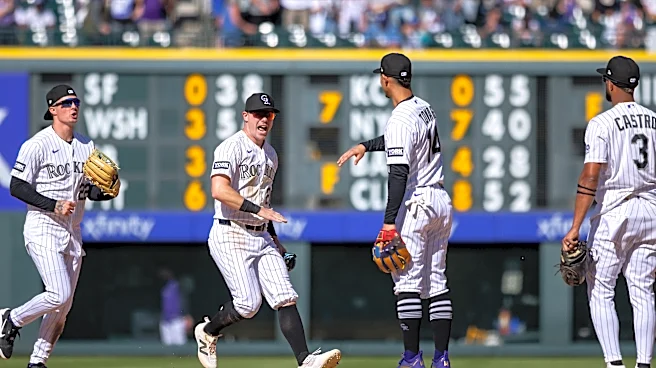
On the Rockies final game against the Houston Astros, which ended a six-game losing streak:
It was a collective team approach. There’s no doubt about it. It was discussed before the game, and I think it was a commitment to each other — at least that’s what it looked like to me. It was a commitment to each other to move the line. That’s what it looks like. It’s taking balls, not trying to be the man that drives everybody in, letting the next guy do it [and] just taking what they’re giving you. I thought we did it exceptionally well last night. It may be the best of the season. It’s something to build on. Now, the challenge is to repeat it today and to repeat it the next day, and that becomes who we are.
On Chase Dollander’s progress:
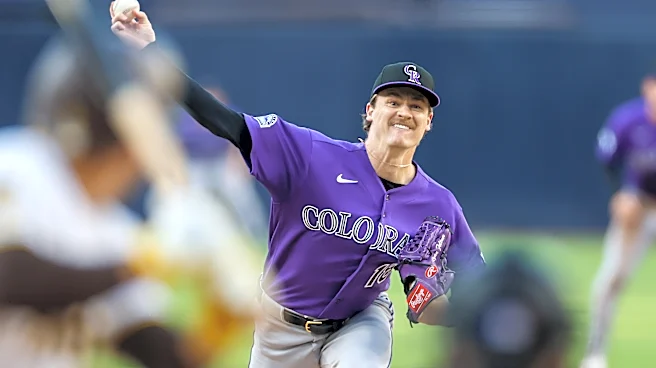
I’m more than comfortable with where he’s at because he’s having a lot of success doing it. He’s settled into a routine. The routines are very, very different from being in the bullpen and starting. I mean, obviously, we want him to be a starter long term. That’s the goal, and especially with the innings that he’s throwing right now, that’s basically what he’s doing. It’s just bulk out of the pen. But I think at the moment, we don’t want to mess with the routine because it’s going really well.

On Dollander’s timeline to return to the rotation:
[There’s] no timeline because he’s helping us win. He’s pitching big innings. He’s pitching important innings for us.
On the benefits of Dollander following an opener:
Well, the routine is huge, and the third time through the lineup, he’s not facing the top four hitters, which is a big deal. That’s the main reason why you open, in general, with anybody, is that you can potentially extend your starter longer into the game without the downside of facing the top of the order, which is a huge, huge number advantage to the offense always.
On using bulk relievers:
It is by design in terms of in April at Coors Field, specifically with us, you have a tendency — we have in the past — to absolutely overuse and destroy your one-inning relievers and pitch them in tight games, down tight games, and then by August and September, they’re fried. So I think this definitely extends our short-inning relievers for a longer time in the year. It’s helped, so far, tremendously.

On facing the Dodgers:
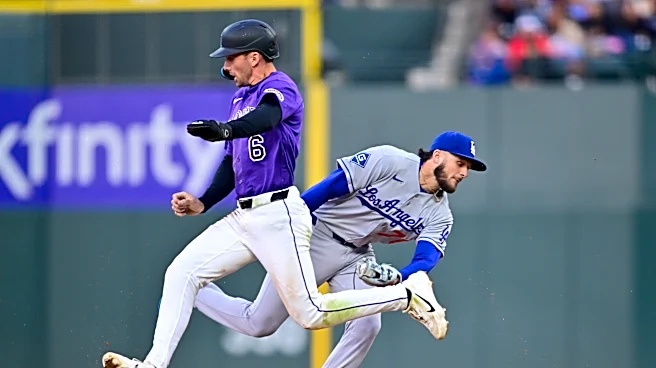
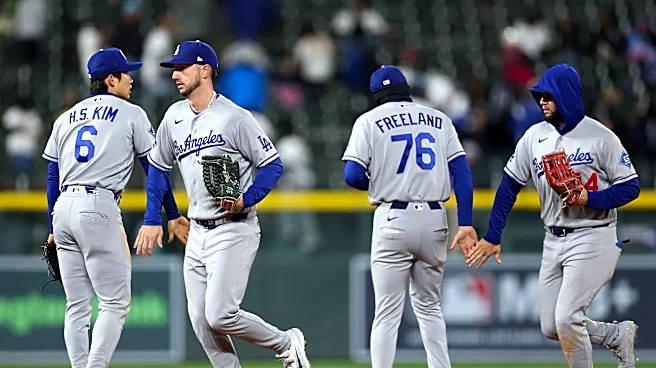
[We’re] very eager — no more eager than going to face the Blue Jays in their park, facing Houston at their place. I mean, respect every opponent, fear none. You’re going to hear me say that a lot. This is a team that, for a long time, has had our number, and for that reason alone, we look forward to tonight. No matter what happens tonight, we’re going to look forward to tomorrow, too.
On developing problem solvers:
This is a game where you fail more than any other game. We fail all the time in this game. So if you’re not dedicated and completely committed to solving problems that arise every single day over a 162-game season, you’re in the wrong business. There is a tendency — I get it — to have this thing be monotonous and to overlook things, but we’re not looking to do that. We can’t afford to do that. That’s not the direction we want to go in. So we all want to be problem solvers and to empower players to be problem solvers and be collaborative in the process is the way that I think work gets done the best.
On empowering players:
So when you empower players, you don’t just say, “Hey, we’re the coach. You do this because this is right.” They might be feeling something different. Each player is an individual. We want to get to the solution. It’s about being right and not who’s right. . . . But the collaborative process is the way everything always gets done the best. So I guess, the best way to put it is it’s not a one-way street. You’re empowering them to think, and you’re telling them, “We want you to come up with solutions as well, and we’ll work together to get to the best place possible.”
On overthinking:
That’s where we come in. A lot. If players are overthinkers — which there’s a lot of them out there — it’s just keeping them on track, keeping them in the lane of where we need to go, instead of going way over here or way over here if it’s detrimental. Believe it or not, sometimes, when you go over here, it leads to a solution. So it’s just a matter of knowing your person and who you’re dealing with and their tendency to go that direction, and the ability to keep them straight.

On lineup construction:
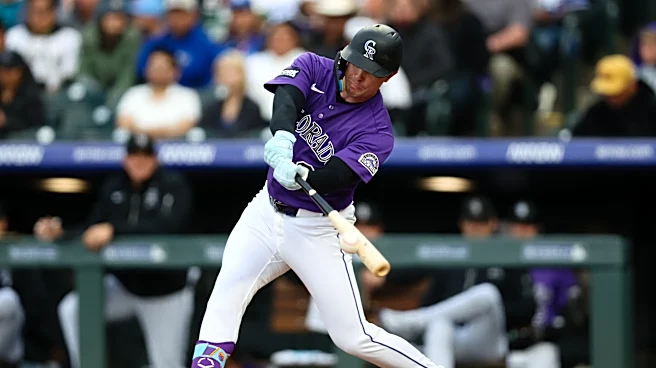
The reason Eddie [Julien] is in the top spot — and he’s staying there — is because he gets on base, and that’s his skill set. And we need guys on base at the top of the order. Tyler Freeman, when he plays, will be right up there with Eddie. We just have to be careful with Tyler at the moment. But those two guys at the top because they get on base and they take good at bats. Rumfield towards the top because he does the same thing. He takes really good at-bats, solid at-bats. [Goodman] up there because he drives in runs. We want to get to a point where our one through nine is taking quality at bats, and that’s what we’re looking for, getting those guys more at-bats than the other ones.
. . .
A lot of the time with [Tovar], it’s the matter of lineup construction, in terms of strategy, what they have in the bullpen, where we think some matchups are going to take place later in the game. Today’s lineup is based on that. Getting pockets for left-handers, pockets for right-handers in what we’re trying to do, knowing where we’re going to pinch hit in games to get the best matchups. So there’s a lot of in-game thinking to it — match up against the starter who you want. Maybe some days you want to get the most runs off of that starter. So you stack your lefties on the top of the lineup.
Schaeffer’s comments gave me a much better sense of the Rockies thinking on Chase Dollander, and I also appreciated getting to see him explain how their system works. I’ll be eager to hear your takeaways.
This week on the internet
Please enjoy these GIFs of various Rockies players fishing:
The Colorado Rockies’ Early Feedback on the ABS Challenge System | Just Baseball
Patrick Lyons explores what the Rockies are learning about ABS.
The folks over at Awful Announcing did their homework, which revealed — zero surprises here — that the Rockies swing at first pitches a lot, no matter the team they’re facing.
Join the conversation!
Sign up for a user account and get:
- Fewer ads
- Create community posts
- Comment on articles, community posts
- Rec comments, community posts
- New, improved notifications system!
Please keep in mind our Purple Row Community Guidelines when you’re commenting. Thanks!