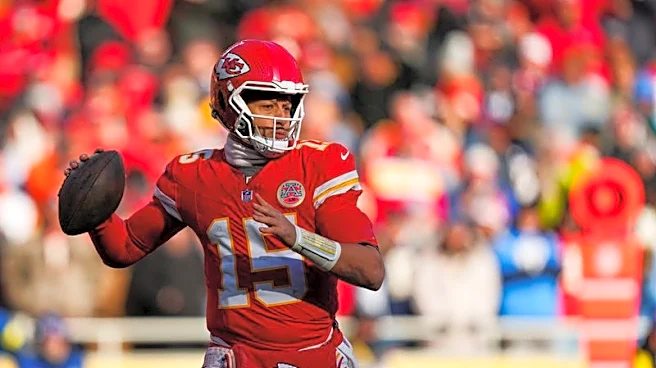






The NFL Draft was supposed to be about the Kansas City Chiefs investing in more protection for quarterback Patrick Mahomes. That was the narrative, at least. National media bought it — hook, line and sinker.
The reality seemed different, at least on the surface. The Chiefs did not select a single offensive lineman in this year’s draft class. The first offensive player of any position the Chiefs selected was running back Emmett Johnson with the 161st overall pick.
That doesn’t mean this draft failed to protect Mahomes. It just means the Chiefs used the draft to achieve that objective in a more nontraditional way. It turns out Brett Veach didn’t see the need to add another offensive lineman to a unit that already ranks among the top 10 in the NFL.
Huh. Who would’ve thunk it? Well, other than basically every Chiefs fan in America. Score one for the fans and local media.
Instead, the Chiefs focused the offseason on finding ways to make Mahomes’ life easier.
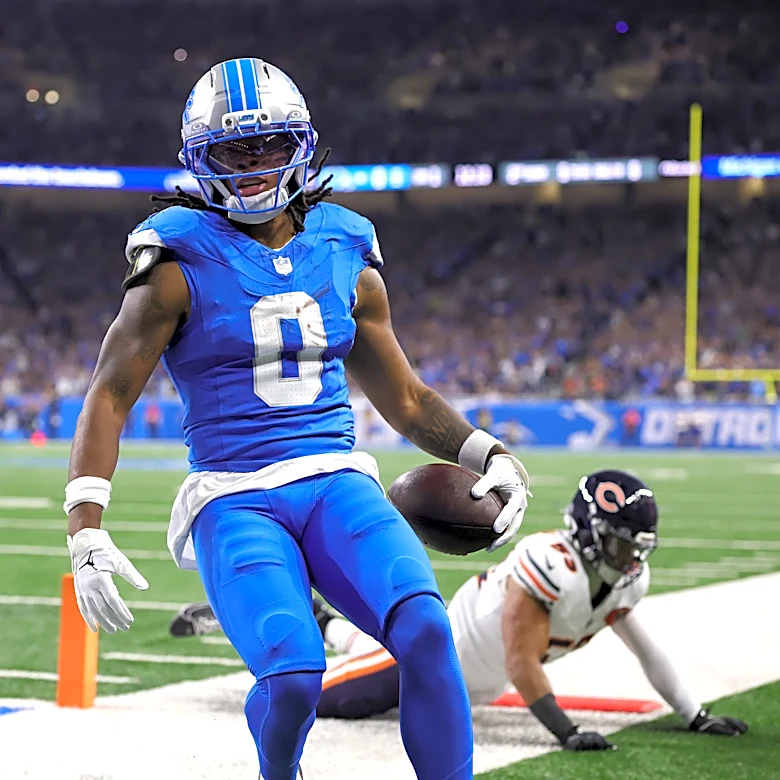
That means adding a new running back in Kenneth Walker III, a new wide receivers coach in Chad O’Shea to ensure his pass catchers are on point with their route running, and a new offensive coordinator in Eric Bieniemy to strengthen the offense’s fundamentals.
The hope is that Mahomes is in far fewer situations where he feels the best chance to make a play is to put it all on his shoulders. We all know Mahomes is great, but it would be helpful if the offense didn’t require him to prove it as often as it did a year ago.
The early portion of the draft should help in a different way. The best way to keep your quarterback upright is not just with a strong offensive line, but also by putting him in situations in which he’s not asked to throw as often. Doing so requires having and maintaining a lead.
And that means asking the defense to get stops early and often.
That’s something the 2025 Chiefs defense didn’t do often enough. The unit struggled to get off the field on third down and failed to force takeaways, which led to time-of-possession imbalance and momentum shifts that rarely went Kansas City’s way.
It all came back to one common theme: a complete and total lack of a pass rush. The deterioration of the Chiefs’ pass rush happened slowly, and then all at once. Defensive coordinator Steve Spagnuolo’s group was one of the top pass-rushing teams in the league as recently as two seasons ago.
The pass-rush numbers led to real, tangible changes in the defense’s overall efficiency. The Chiefs’ defense dropped from a top-3 unit in points allowed per drive in 2023 to a unit ranking outside of the top 10 in the past two seasons.
Kansas City’s complete inability to make opposing quarterbacks uncomfortable last season finally led the team to make a change. It’s no longer enough to have All-Pro defensive tackle Chris Jones wreck an opposing offensive line 5-10 times per game. He needs his cohorts to win one-on-one opportunities.
Insert 2026 first-round picks, Peter Woods and R Mason Thomas, two players capable of doing exactly that.
Woods can certainly help as an interior rusher next to Jones, but he can also help take some of the load off of Jones’ shoulders as he enters his age-32 season. Jones played more than 80 percent of the snaps through the first 13 games last year. The only other defensive linemen over the age of 30 and weighing 300+ pounds to play 700+ snaps a year ago were Leonard Williams, Zach Seiler, Vita Vea and Jonathan Allen.
Jones and Williams are the players on that list who are also asked to be critical pieces of their respective teams’ pass-rush plans. Asking less of Jones this year could be for the best for everyone involved. Woods’ presence might be exactly what the doctor ordered to get Jones the rest he needs.
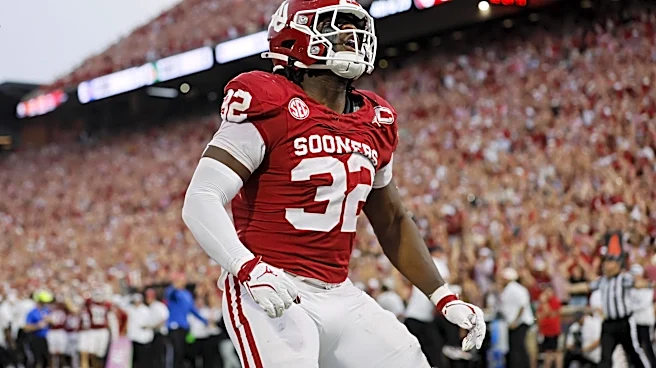
Thomas might be the bigger immediate addition to the pass-rush unit. The former Oklahoma standout breaks every threshold we thought we knew about a traditional “Steve Spagnuolo defensive end.”
Relative to that prototype, he’s small (6 feet 2 inches tall and 240 pounds), he has short arms (31 5/8”) and he’s not exactly known for his stellar run defense. One of the most common comparisons for his playing style is former Chiefs edge rusher Dee Ford, who was traded approximately six weeks after Spagnuolo was hired in 2019.
That Thomas is not the “typical” Spags defensive end might be a good thing. George Karlaftis (2023) is the only Chiefs defensive end to record a double-digit sack season since Ford was dealt. In fact, the only other defensive ends to record a double-digit sack season with Spags calling the plays were Chris Long (2011), James Hall (2010), Justin Tuck (2007 & 2008) and Osi Umenyiora (2007).
That’s not a long list for a coach known for his pressure packages. Spags’ defenses create a hot mess of havoc, but very rarely does it see a single player win consistently off the edge. It was time for that to change. Sacks for a defense are like explosive plays for an offense. It’s a complete drive-killer. Don’t believe me? Take a look at these numbers.
Sacks put opposing offenses in tough downs and distances, or end a drive completely, which puts the ball back in the hands of the greatest player in the world. More opportunities with the ball in Mahomes hands mean more opportunities for this revamped offense to put points on the board.
Kansas City’s front office knew it needed to get Mahomes some help. Everyone did. That was never up for debate. What was very much in question was how they would help him. The Chiefs wanted everyone, prior to the draft, to believe it was time to protect him by improving the offensive line. This path is far more effective. Mahomes is being insulated or protected by taking some of the weight off his shoulders through improved defensive play.