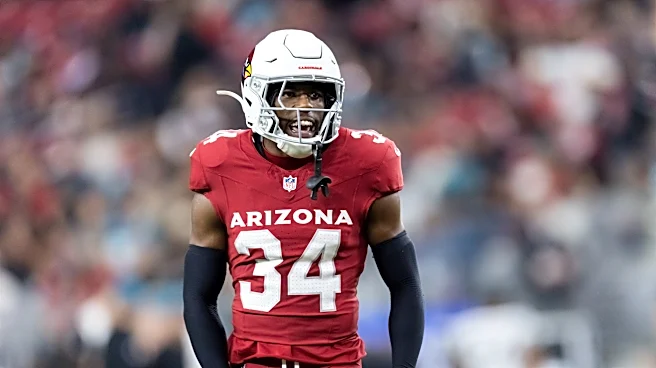




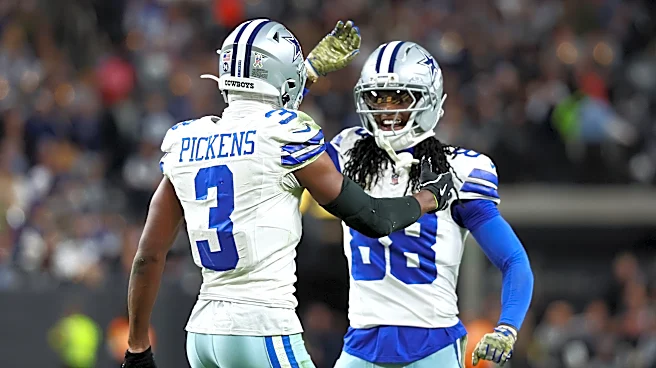
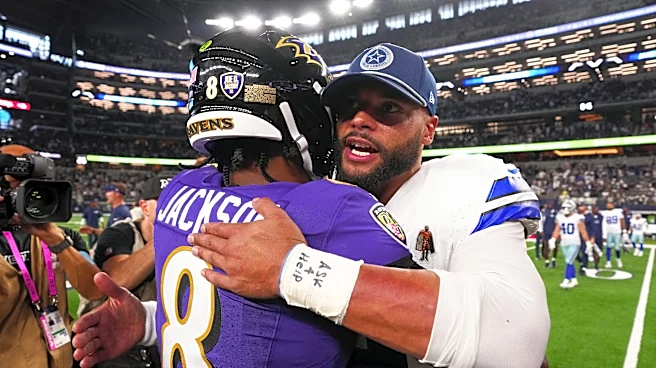
When the Dallas Cowboys visits the Indianapolis Colts on November 8th, the most compelling matchup may not be a quarterback duel or a trench battle. It may be Cowboys rookie defensive back Caleb Downs against Colts slot receiver Josh Downs, his older brother.
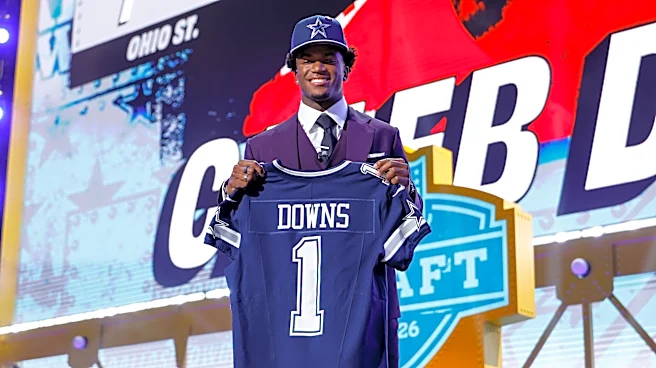
The family angle is obvious, but the football ramifications are bigger. Dallas did not draft Caleb Downs merely to be a deep safety. The Cowboys moved up one spot to take him 11th overall, and the team has already described him as capable of
handling nickel, safety and cornerback responsibilities. He will essentially be the quarterback of the defense. That matters because Josh believes the matchup could be direct. Before the draft, Josh said Caleb had told him that if Dallas selected him, he would play nickel, which Josh immediately understood as head-to-head all game. In other words, this is not a ceremonial brother-versus-brother meeting where they share the field but rarely interact.
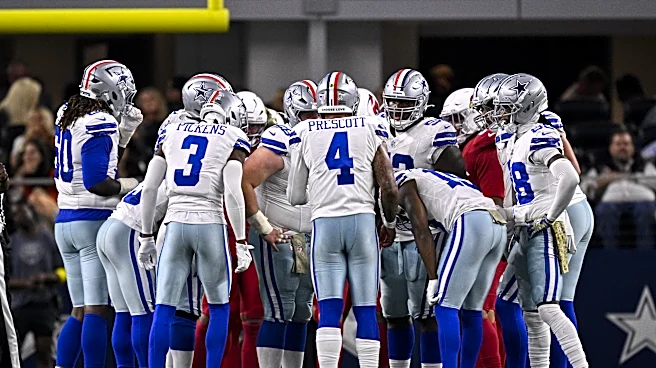
Cowboys defense
For the Cowboys, this is a referendum on their defensive reset. In 2025, Dallas allowed opposing passers to complete 68.5% of throws for 4,276 yards, 35 touchdowns, only six interceptions and a 109.6 passer rating. That is the statistical profile of a secondary that was too easy to define and manipulate and too light on disruption. Caleb’s value is not just whether he can win one rep against Josh, it is whether he can let Dallas disguise coverages and survive against option-route receivers without needing constant help.
Josh Downs
For Indianapolis, the ramifications are different. Josh Downs is not a pure vertical receiver, he is a chain-mover and leverage winner. His 2025 line was 58 catches for 566 yards and four touchdowns, but the important number is 36 first downs on those 58 catches, a 62.1% first-down rate. In 2024, when his role was bigger, he posted career highs with 72 catches, 803 yards and five touchdowns. Over three NFL seasons, he has 198 catches for 2,140 yards and 11 touchdowns. The deeper numbers show why Josh is a difficult matchup for a rookie nickel. He had an 18% target share, a 66% catch rate and a 8.4 yard average depth of target in 2025. That profile says the Colts use him in the underneath and intermediate areas where separation is created by timing, stems, leverage and quarterback trust rather than raw speed.
Caleb Downs
Caleb’s case is built on a different kind of evidence. At Ohio State in 2025, he produced 68 tackles, five tackles for loss, one sack and two interceptions in 14 games. He allowed a 53.4 passer rating when targeted, surrendered 25 receptions in coverage and recorded two interceptions. That is the profile of a defensive back who does not need gaudy interception totals to control space.
If the standard is impact per target, Caleb should be favored. Josh’s 2025 usage was efficient but not explosive at 9.8 yards per catch and only four 20-plus-yard receptions. Caleb’s best traits are route recognition, physical tackling, zone awareness and versatility. He’s built to squeeze short-area windows, force throws underneath and prevent catch-and-run damage.
The decisive stat is first-down prevention. Josh converted over 60% of his 2025 receptions into first downs, so Caleb’s job is not merely to hold him under 60 yards. It is to make catches harmless. If Josh catches six passes but only two move the chains and none gain 20 yards, Caleb wins. If Josh catches five passes, converts three or four first downs and scores in the red zone, Josh wins. That is the real battle, not receptions, but leverage snaps.
Final Analysis
The verdict then? Caleb Downs should win the individual matchup, narrowly, because his profile is almost purpose-built for this assignment. He has the size advantage, the coverage production, the tackling résumé and the versatility Dallas wants in the nickel. Josh has the experience and route craft to steal reps, especially early, but the deeper data points toward Caleb limiting explosive damage and forcing the Colts to win elsewhere. Expect Josh to get catches, expect Caleb to win the battle.