


In Week 7, the Big 12 made its presence felt on the national stage.
BYU climbed to No. 2 in the country after a monumental victory over Notre Dame in Provo, and the conference now showcases three of the six undefeated teams in the FBS — BYU, Texas Tech, and Utah. Add 6-1 Houston, and that’s four Big 12 teams inside the AP Top 15.
For the second consecutive week, College GameDay will set up shop on a Big 12 campus, packing up its equipment in Provo and sending it to Salt Lake City for a high-stakes
showdown between Utah and Houston.
From Morgantown to Provo to Houston, here is the complete Week 7 Big 12 scoreboard from an eventful Saturday in the conference:
- West Virginia 45, Cincinnati 42
- Kansas State 35, Kansas 24
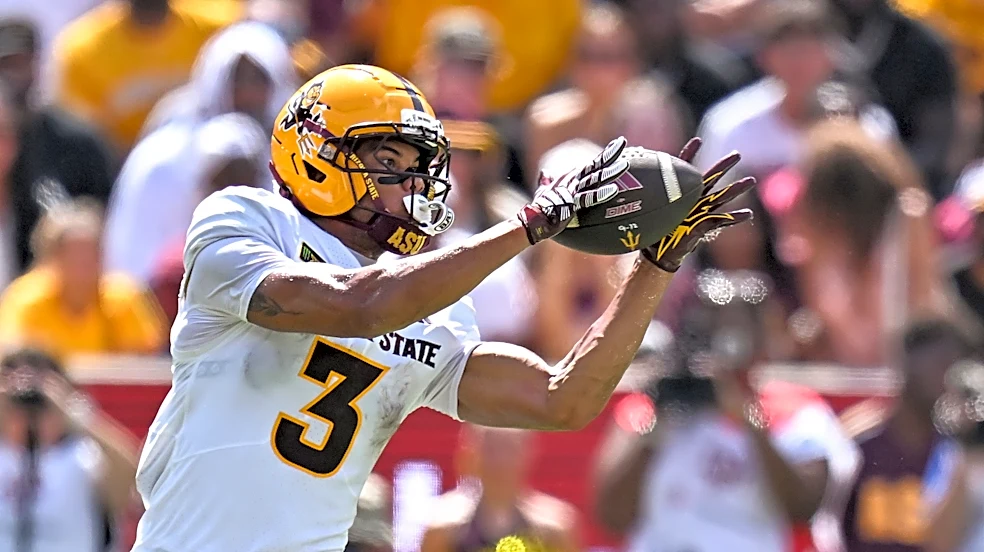
- Texas Tech 53, Arizona State 25
- TCU 17, Baylor 6
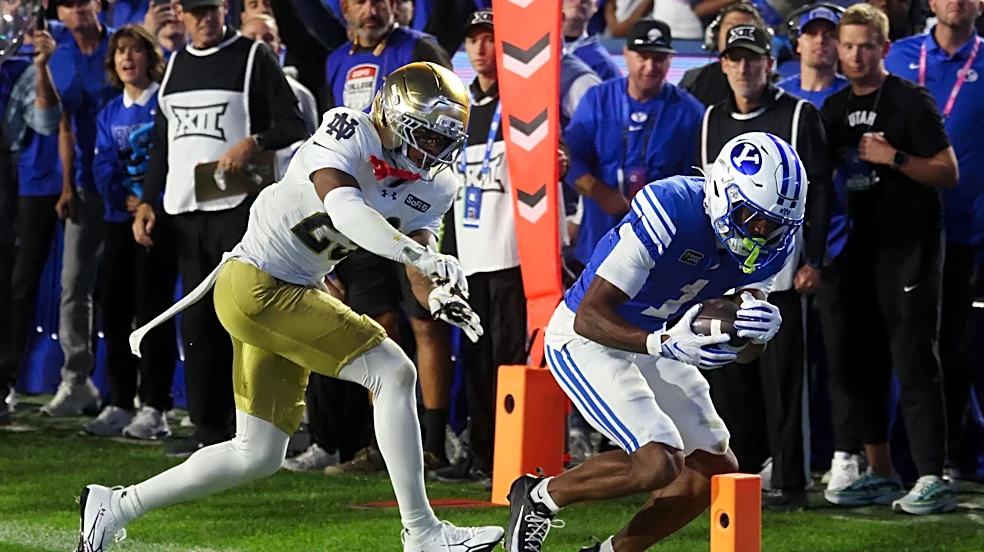
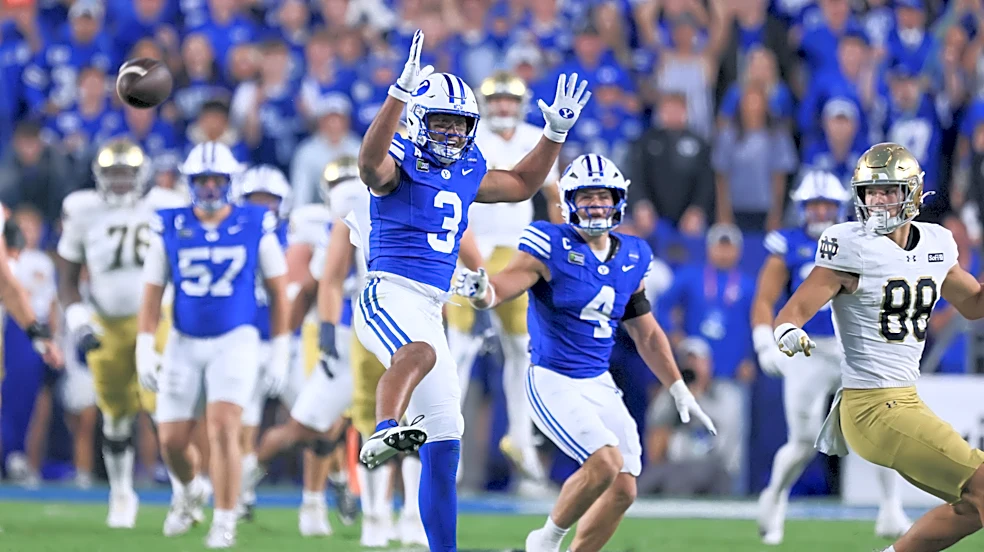
- BYU 28, Notre Dame 24
- Houston 35, Oklahoma State 32
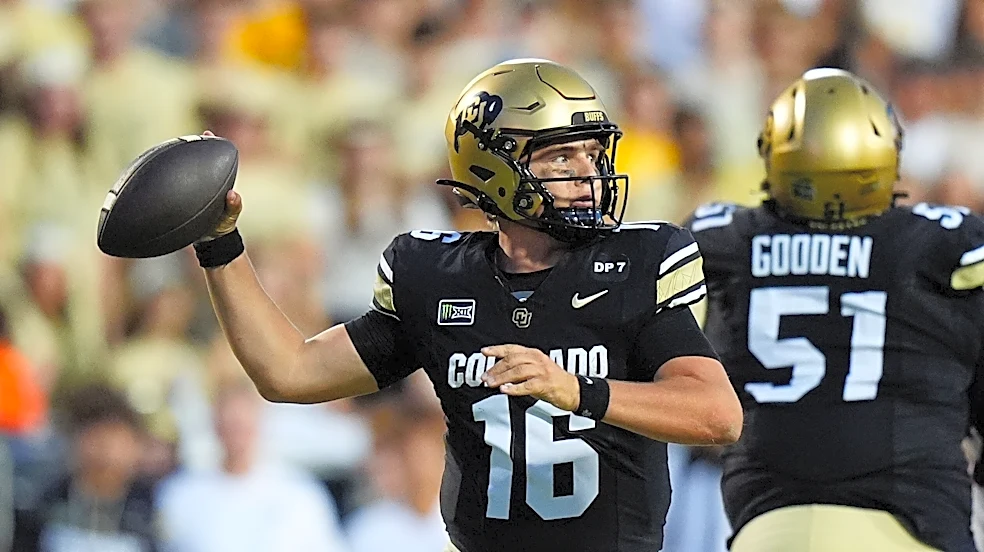
- Utah 27, Colorado 24
And here are five takeaways from the the latest week in Big 12 football:
The Big 12 is on track to earn multiple CFP bids

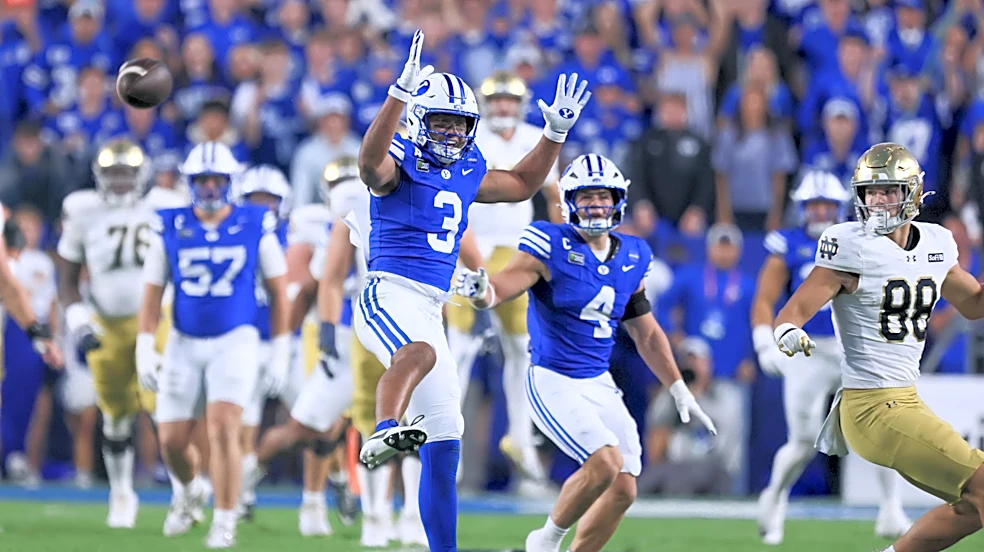
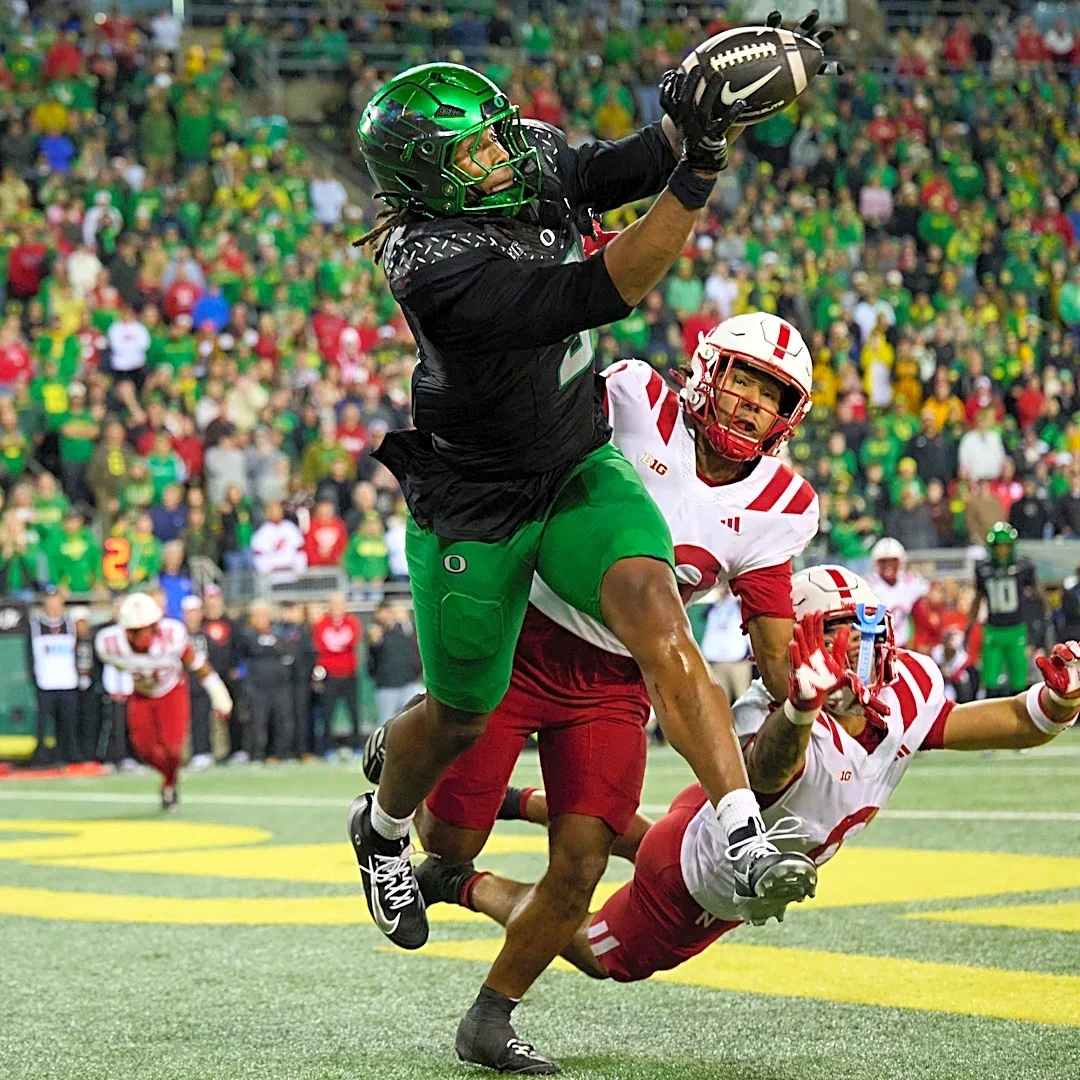
BYU did wonders for the Big 12’s playoff résumé. The conference secured its second AP Top 10 win of the year (Oklahoma State over Oregon being the other), as the Cougars spoiled Notre Dame’s undefeated season with a defensive stand in Provo. It was an imperfect game by BYU, where special teams miscues — including a muffed punt and a failed fake punt — helped the Fighting Irish to claw back from a 21-10 deficit to take a 24-21 lead. But Bear Bachmeier and the Cougars had the last word in the 28-24 victory, and now BYU is No. 2 in the AP Poll with 20 first-place votes.
That signature non-conference win raises the profile of the entire league. Having two additional undefeated teams in No. 8 Texas Tech and No. 10 Utah only strengthens the Big 12’s playoff prospects. Additionally, Houston is No. 14, Arizona is No. 25, and Oklahoma State sits one spot outside the rankings.
The Big 12 received only one playoff bid last season when an 11-2 BYU team was left out despite its only losses coming against 12-1 champion Texas Tech. This season, the Big 12 shouldn’t face that problem. Four teams are ranked in the AP Top 15, and the league’s scheduling could help preserve that depth through November. Texas Tech doesn’t face BYU or Utah, BYU doesn’t play Houston, Oklahoma State avoids BYU and Utah, and Arizona doesn’t square off against Houston or Oklahoma State.
Meanwhile, there are zero undefeated SEC teams, one undefeated Big Ten team (UCLA), and the ACC only has one team in the AP Top 16. There are still a bevy of matchups between top SEC teams, which means many of the teams currently in the rankings could finish with three losses. Given the parity at the top of the SEC and Big Ten, and the parity beneath Miami (FL) in the ACC, a top-heavy Big 12 has positioned itself for multiple selections in the 12-team CFP field.
West Virginia games are the most entertaining watches

For the third consecutive week, West Virginia was slotted into the 12 p.m. ET window on TNT. And for the third consecutive week, the Mountaineers delivered a wildly entertaining, high-scoring football game. It started with a 45-42 loss to Iowa State, then came a 52-31 loss to Arizona, and Saturday brought a 45-42 victory over Cincinnati on a walk-off field goal, despite never leading during the 60 minutes of gametime.
This high-octane West Virginia squad has all the elements of a Big 12 team that made the conference appointment viewing in the early and mid-2010s. Think Nick Florence era Baylor, Geno Smith era West Virginia, Patrick Mahomes era Texas Tech or even Mason Rudolph era Oklahoma State.
The Mountaineers are beyond explosive. They rank second nationally to Louisville in 20+ yard gains and 30+ yard gains. Yet, the defense surrenders explosive plays at an even more alarming rate. West Virginia is last in the FBS in 20+ yard gains allowed, 30+ yard gains allowed, and 40+ yard gains allowed. A 60-yard touchdown could materialize at any moment in a West Virginia game — for either team — and Rich Rodriguez’s squad ranks eighth in total offense and second-to-last in total defense.
In Week 7, West Virginia demonstrated offensive versatility. The Mountaineers leaned heavily on the ground through the first six weeks, relying on mobile quarterback Michael Hawkins Jr. and Cam Cook to lead the scoring effort. But in the win over Cincinnati, Hawkins proved the offense can thrive through the air as well, firing for 464 yards and three touchdowns. His ability to execute in multiple ways makes the Mountaineers even more fun, and they are must-see television for any offensive gurus.
Colorado’s defense makes Buffaloes a potential trap game

Colorado dropped its fourth consecutive game Saturday night, but its defense once again gave the Buffaloes a chance to pull off a ranked upset. Utah escaped Boulder with a 27-24 win, although it snapped its 11-game streak of scoring over 30 points. The Utes’ normally dominant rushing attack averaged just 3.4 yards per carry, and it wasn’t the cleanest showing by their passing game either, which threw a pair of interceptions. Utah never scored more than seven in a quarter, and its final touchdown drive covered just 22 yards after a James Chenault Jr. interception gave the Utes a short field.
Texas Tech encountered similar resistance two weeks earlier in Boulder. The Red Raiders only managed three first half points and didn’t score their first touchdown until three minutes remained in the third quarter. And the majority of points in their 29-7 win stemmed from short fields thanks to defensive takeaways.
Colorado also made life difficult Baylor’s offense in a 23-13 defeat in late September. While the Buffaloes aren’t getting enough from their offense to win, their defense consistently mucks up games, keeping things close through the second half. Kansas State, Arizona State, Houston, Cincinnati, and UCF remain on Colorado’s schedule. Despite its 2-4 record, the Buffaloes’ defense could throw a wrench into these opponents’ gameplans and make opponents work extra hard to eke out a win, just like it did for Texas Tech and Utah.
If TCU can solve pass protection, the Frogs can beat anybody

TCU sits at 3-3, but its defense has performed at a championship-caliber level. Through six games, the Horned Frogs rank third nationally in scoring defense (12.2 points allowed per game) and seventh in total defense (264 yards allowed per game). Only UCF, which defeated TCU 21-13, managed more than 17 points against the Frogs.
TCU reinforced its defensive reputation Saturday night, storming into Waco for the Revivalry and holding archrival Baylor to two field goals in a 17-6 win. This was the same Baylor that was fresh off a 55-point explosion in its prior matchup at Arizona State.
The Horned Frogs’ defense has done enough to win all six ballgames, but TCU fell short three times mainly due to pass protection. Only 12 teams allow more sacks per game than TCU’s 2.83, and the Bears sacked quarterback Jaden Craig four times, while generating four additional quarterback hurries. Craig had minimal time to react on his lone interception of the night, which came on a designed flea-flicker in the second quarter. The quarterback has made notable strides since the Week 0 opener, but he has taken four sacks in each of the last three games. If TCU cleans this up, the offense can provide the defense the support it needs. The Horned Frogs’ record doesn’t reflect their potential, and pass protection could be the difference between a disappointing 2026 and a second half surge.
Conner Weigman is a Heisman candidate

2026 feels like a year where the Heisman Trophy winner isn’t guaranteed to be a quarterback. Wide receivers Jeremiah Smith, Jesse Legree, and Malachi Toney have been consistently dominant to the point where we could see as many as three wide receivers earn invites to New York for the ceremony.
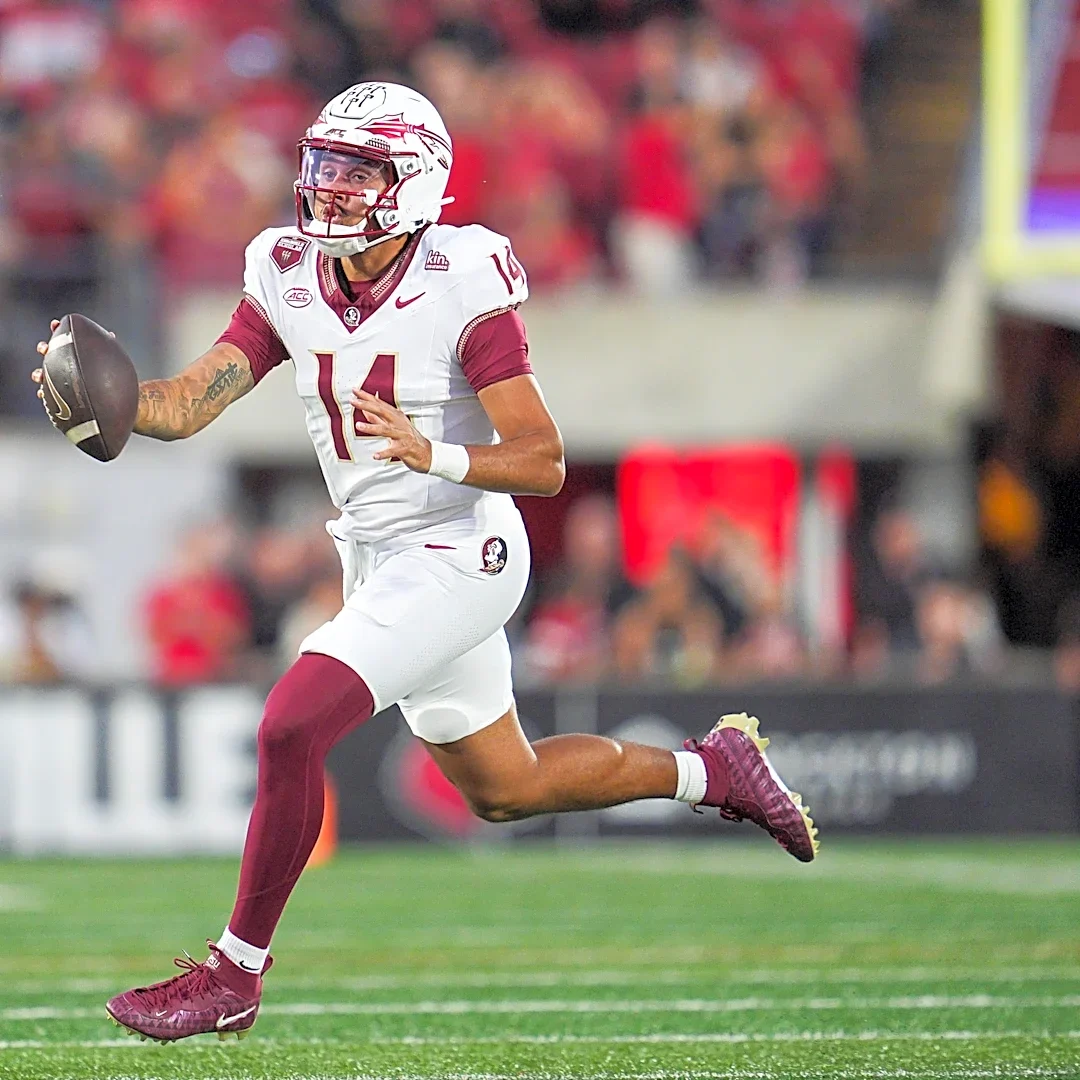
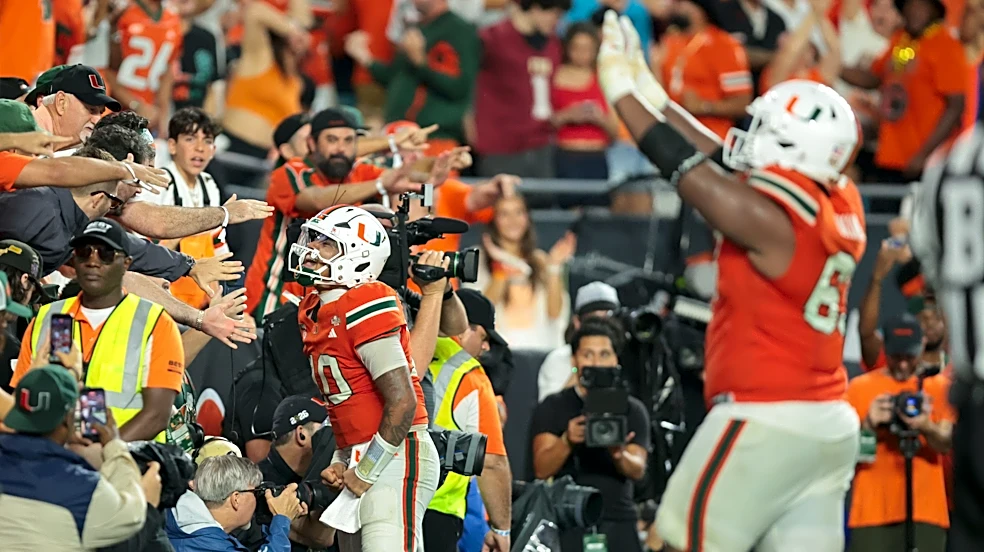
Traditionally, it’s a quarterback’s award to lose, so who are the top candidates from the position? Right now, the quarterback frontrunner is Miami (FL)’s Darian Mensah, who has 1,764 passing yards on an absurd 80.8 completion percentage, delivering 18 touchdowns to one interception (which was thrown Saturday night in the 43-35 overtime win over Florida State). But beyond Mensah, Conner Weigman has crafted one of the strongest résumés for a quarterback.
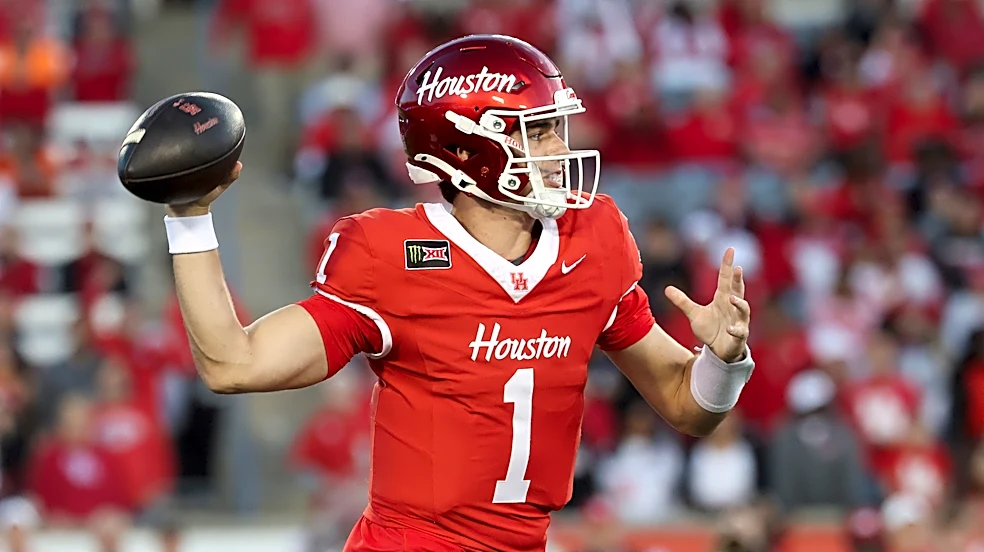
Houston’s signal caller has collected 1,771 passing yards on a 67.7 completion rate, while accounting for 20 passing touchdowns against two interceptions. He’s also a dangerous threat as a runner, totaling 229 yards and six touchdowns on the ground. Weigman has accounted for 3+ touchdowns in each of his last six starts, and he is coming off career-highs of 343 passing yards and five touchdowns in Houston’s signature win over ranked Oklahoma State.
The Cougars are 6-1, and Weigman has been at the center of their success. His production, efficiency, and dual-threat capabilities could catapult him further into the Heisman conversation, especially if Houston remains in the Big 12 title race.