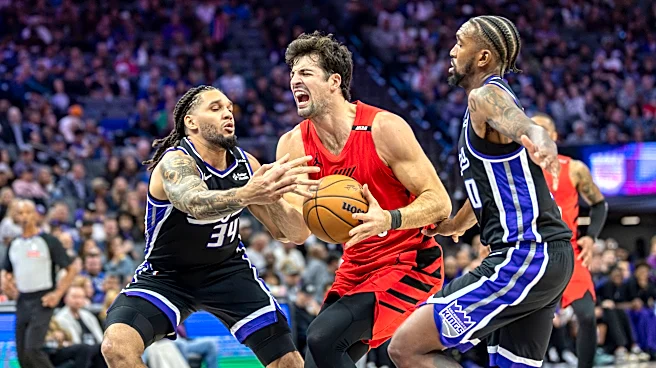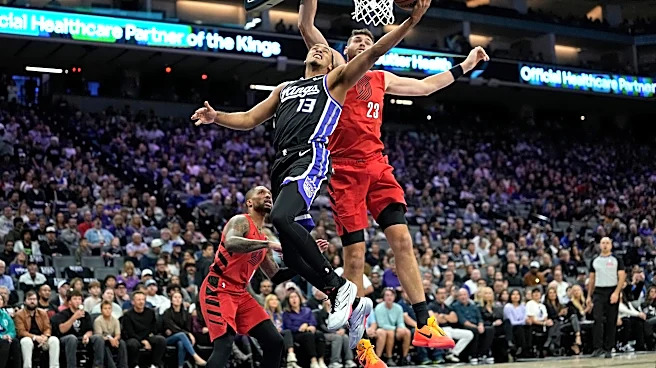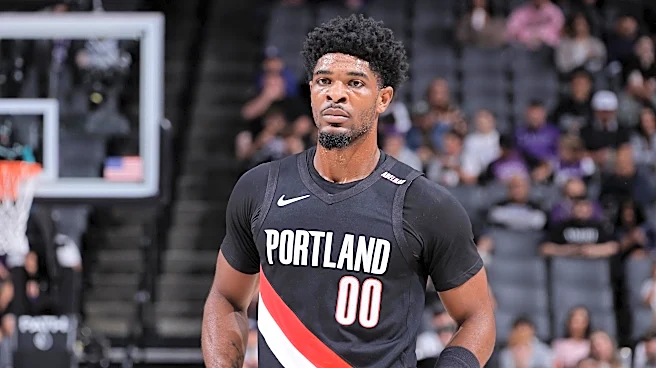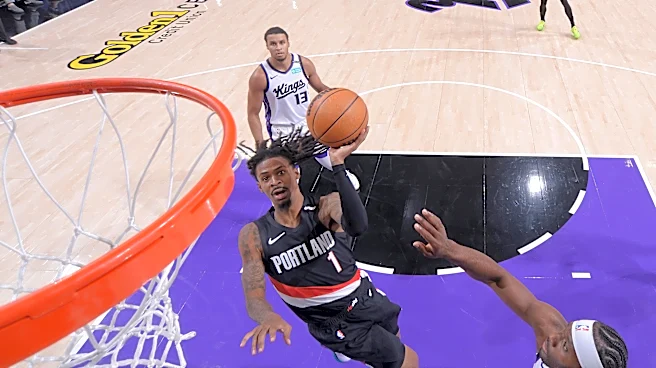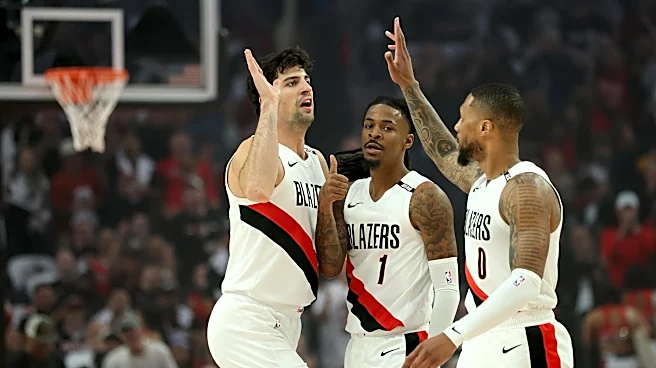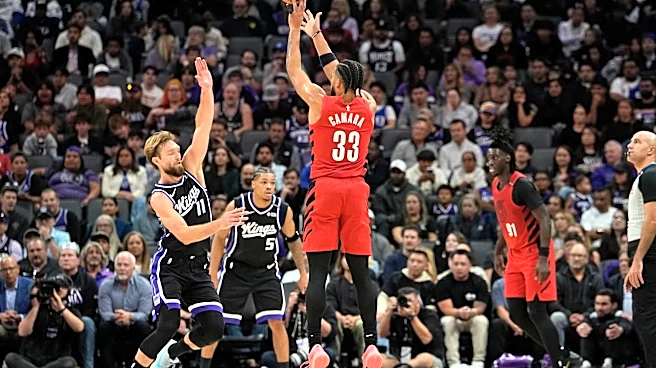


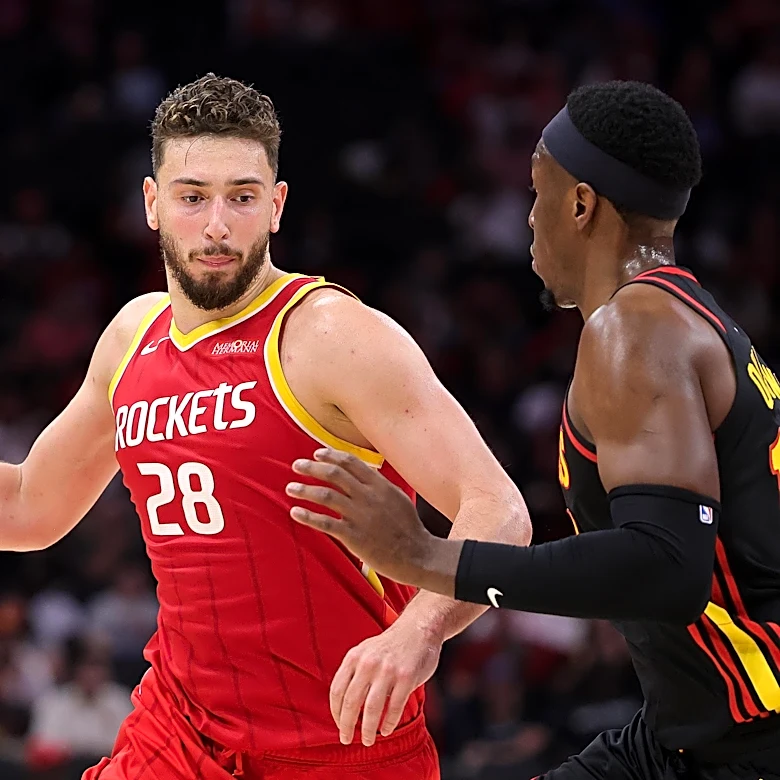
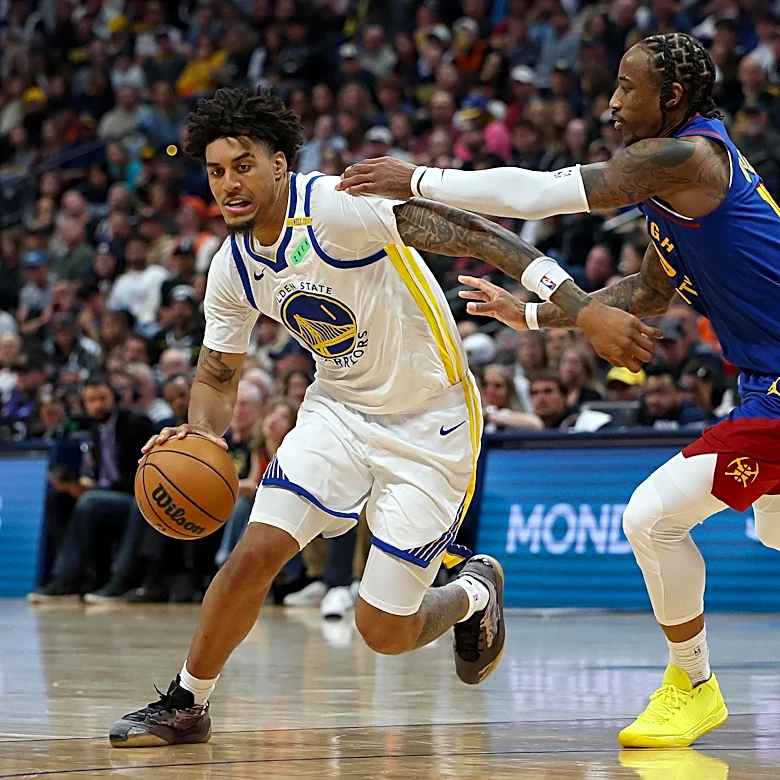
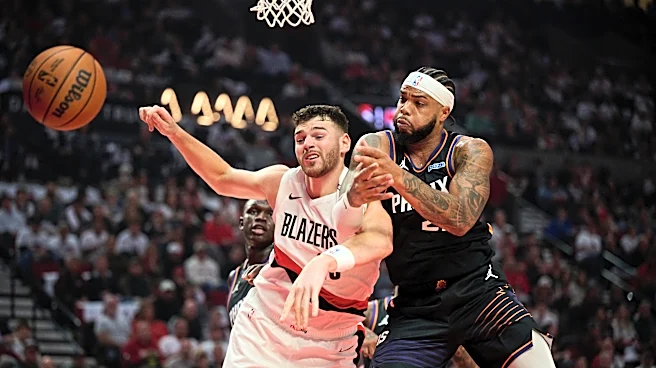

The Portland Trail Blazers are off to a promising 2-0 start to their 2026-27 season with a game against the Los Angeles Lakers in the offing tomorrow night. The Blazers have looked anywhere from decent to amazing in their opening eight quarters. Many of the pre-season trends we pointed to as important—mobile defense, defensive rebounding, ball-sharing on offense, multiple point-of-attack initiators—have played out for them.
Having observed the team a little, though, there’s one stat we didn’t mention
preseason that I’m definitely adding to the list. In fact, I’m underlining it as a stat I’m going to watch carefully through the first half of the year.
That stat is simple: assisted three-pointers.
Portland came into the year with a semi-poor reputation for three-point shooting. Their 34.7% rate so far this season is middle-of-the-pack (better than last year) but isn’t going to do anything to allay the concerns.
With all due respect to Damian Lillard and his off-the-dribble threes, though, this team makes hay—and then spins it into gold Rumpelstiltskin-style—when they get three-pointers off of penetration, kicking out to the diagonals or corners. This is where Deni Avdija and Toumani Camara live, sometimes Ja Morant too. There’s a huge difference between the ball-handler pulling up for three—a shot that sometimes goes in, but that opposing teams won’t fear—and a Portland wing standing on the edges of the floor, calmly sinking a triple off of action. The former is a top-ten highlight. The latter makes defenses have to guess where to guard next, opening up long-distance shots and layups. Portland doesn’t need to win popularity contests, they need to win games. Those assisted threes (as opposed to solo pull-ups) are a key to doing it.
I admit that I’m fudging a little. “Assisted three” usually means that a drive occurred. (It’s hard to toss it for an open three without moving defenders towards the middle of the court). It also means that the pass went out and the ball went in, as missed three-pointers don’t generate assists. The caveat is critical. I’m conceding, preemptively, that it’s not enough for the Blazers to generate the right shots anymore. That’s two-years-ago thinking, worthy of a rebuild, not contention. They must make the shot.
If Portland doesn’t have the shooters to make opponents pay from the arc, none of this is going to work in the long run…not just this stat, but the whole offense. But if the Blazers understand what a powerful weapon that dish is and give each other the confidence to make the pass to the perimeter, their offense can turn from vaguely threatening to potent. Then you start looking at the way they’re built defensively and say, “This team has the potential to crack the top ten in both departments.” Add in that rebounding we mentioned above and they’re gold. That’s a real playoffs team, not just a fringe play-in candidate.
That’s it. No further soliloquies, no grand alternatives. If the Blazers make passes off of defenses collapsed by penetration, and if the team further sinks their open looks off of those plays without hesitation, this season is going to be interesting. If they get stuck penetrating without passing or if they can’t cash in on the actual shots, their offense is far less dimensional and they’re going to have to depend on hot streaks from distance to excel. Once again, that’s more a rebuild mindset thann a winning one.
Let’s watch those shots, and Portland’s progress, as they face better opponents over the next few weeks. If the offense keeps rolling because of the deep ball, watch out.