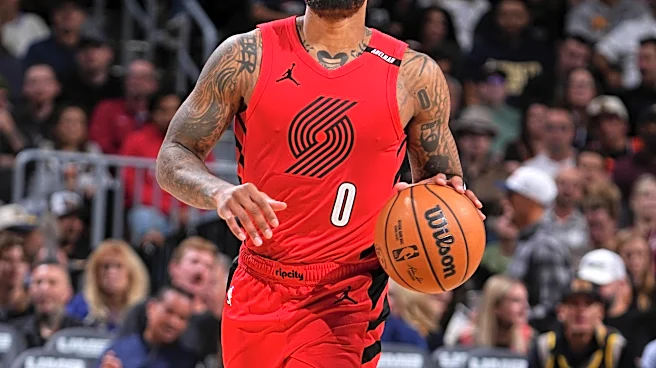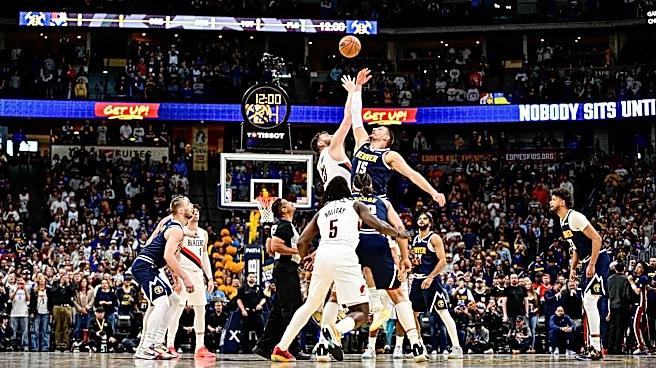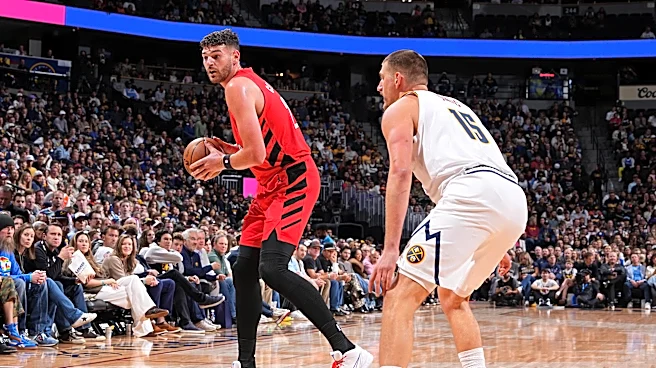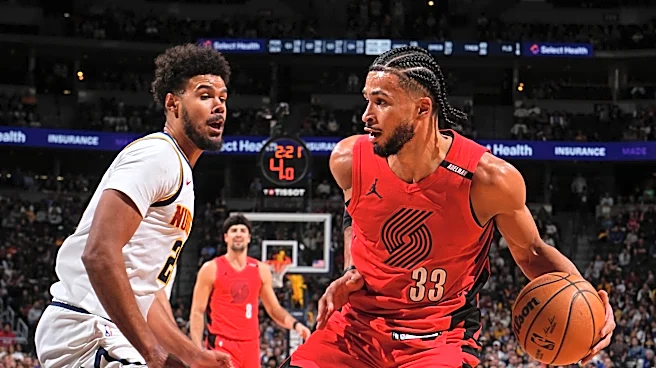




The Portland Trail Blazers are off to an amazing start in the new NBA season. A 5-1 start should buoy them through an intimidating November. If they continue anywhere near that pace through the end of the month, the entire league will have to proclaim them as real.
Naturally, the brilliant opening is giving Blazers fans joy. Along with that feeling come hopes and questions. Yesterday we took a rather right-brained look at the following Blazer’s Edge Mailbag submission:
Dave,
After [last night’s win
in Denver] I’m starting to believe! 5-1 is legit. A road win against a team as good as Denver is legit. Do you think this team is legit? I could get used to being at the top of the standings.
John
Having covered the philosophical, let’s switch today to a more left-brained, statistical look at Portland’s performance during the early weeks of the season.
Yay, Offense!
Offense is one of the strong spots for Portland so far this year. Their production of 120.2 points per game ranks fourth in the league. The aggregate total is less interesting than how they’re doing it.
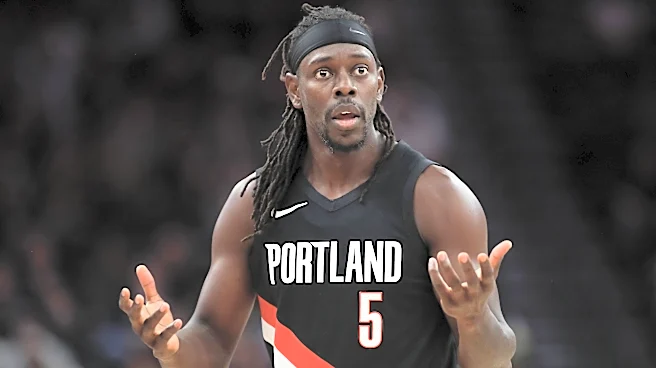
Three-point shooting was one of the huge Achilles’ Heels for the Blazers coming into the year. Damian Lillard has a huge reputation, but he’s not a 40% shooter from distance. Nobody else on the roster comes close to that mark historically. In fact, Portland traded their best overall three-point shooter, Jerami Grant, over the summer to secure the services of Ja Morant.
Early in the year, the Blazers still aren’t spectacular from distance. Their 35.5% success rate ranks 11th in the NBA, which is good, but they’re closer to the 15-19 range teams (hanging around 34.5%) than they are to the Top 9, who start with the Cleveland Cavaliers at 37% and go all the way up to the Memphis Grizzlies with a 42% clip. Basically, Portland stands among a large group of teams who are decent, but not notable, with the three-point shot.
Two details accent that claim, though.
First, this is a HECK of a lot better than the 28th-place finish (34.3%) they turned in last year. That one percentage point raise makes a big difference. That said, they’ll need to keep it up. Returning to 34% would likely leave them bottom-third in the league again by the end of the year.
Second…and pay attention here…though the Blazers aren’t remarkable in three-point accuracy, they certainly are in volume. They are attempting 44.2 three-pointers per outing, second in the NBA. Even with the so-so shooting percentage, they’re still producing 47 points beyond the arc per game. The Grizzlies, who lead the league, produce 51. The second-place Lakers stand at 45, the third-place Rockets only 39. Portland may not shoot that accurately, but they’re generating points through repetition. They’re like the guy at the beach whose music is way more mediocre than yours, but he cranks up the volume to max. Even though you’ve got classic cuts from Pink Floyd and Green Day queued up, his Ed Sheeran playlist rules the strand because nobody can hear yours anymore.
That in itself wouldn’t be enough to make Portland’s offense dominant. They tried a similar approach last year under Head Coach Tiago Splitter, disguising poor accuracy with sheer number of shots. It didn’t end up working out because they couldn’t keep up the volume of overall attempts needed for a whole season. Fatigue, injuries, and opponents getting wise all conspired to slow down the offense. They ended up long-bombing themselves into mediocrity.
Micah Nori’s approach is not the same as Splitter’s. Portland’s overall attempts (87.8 per game) ranks 16th in the league, right at the median. That doesn’t speak of great offense. If you isolate two-point attempts, though, you get a different story. It’s the exact inverse of the three-point scheme. Portland ranks 27th with 43.7 two-point attempts per game, but they’re 3rd overall, 58.8%, in two-point accuracy. They pretty much refuse to take a two-pointer that doesn’t fall into one of these categories:
- A layup off the break or penetration
- An offensive-rebound putback
- Ja Morant
Put this all together and Portland has tapped into the statistician’s dream offense. They’ll go for the three-pointer with high frequency, depending on the extra point per shot to make up for their lack of stellar accuracy. They’ll attempt fewer two-pointers than most, but when they do shoot inside the arc, they’re going to hit at a 60% rate, maximizing the points off of those shots. They’re banking on opponents being able to stop one and not the other.
The system can be encapsulated as, “Give us a three or give us a layup. We’ll take whichever you don’t guard. One’s worth more, the other we hit more. Either way, we’re getting extra points.” It’s really hard to argue with that.
It’s worth noting that this approach will fall apart under a couple conditions. We’ve mentioned the first one already. If Portland’s three-point efficiency dips, opponents will simply start taking away the easier buckets and dare them to shoot it. The second follows the same lines. If and when the Blazers face teams capable of covering the lane with a single player or straight-up, man-to-man defense (looking sidelong at San Antonio here), they’re likely to cause Portland fits. At that point the offensive choice won’t be either-or, but neither.
We should also point out a possible area of improvement in Portland’s offense. They’re doing great generating 29.4 free throw attempts per game. That’s 4th in the league. But they rank 27th with a 74.0% free throw percentage. They’re never going to break the bank from the foul line, but even a couple more free throws going in would help compensate for the three-point percentage dipping.
The Rest
A few other factors feed into Portland’s success right now.
Their defense is mostly unremarkable. They’re solidly in the middle pack: middle-to-upper-middle in field goal percentages allowed, decent in points in the paint allowed, lower-half (but not horrible) in fast break points. They’ve given up last year’s emphasis on forcing turnovers but they do rank 8th in assists allowed per possession. Much like they do on offense, they’re playing the odds defensively: stopping easy shots and passes first, trying to close out at the arc.
The latter part is proving to be one of the most successful aspects of the Blazers’ defensive scheme. Portland allows 35.5 opponent three-point attempts per game. That’s 7th in the league. It’s giving them nearly 9 more three-point attempts per game than the opponent. Even if only one-third of those go in, that’s a huge edge. Add in a three-point shooting percentage of 35.5% for Portland versus 32.4% for opponents and you have a decent recipe for success.
The real secret sauce on Portland’s defensive burger is rebounding. Last year they emphasized offensive rebounding but let the defensive side slip. They’re still good on the offensive glass this year; a 30.5% offensive rebounding percentage ranks them 6th in the NBA. But their defensive rebounding percentage of 77.4% qualifies for third. That’s a massive improvement over their 25th-place finish last year.
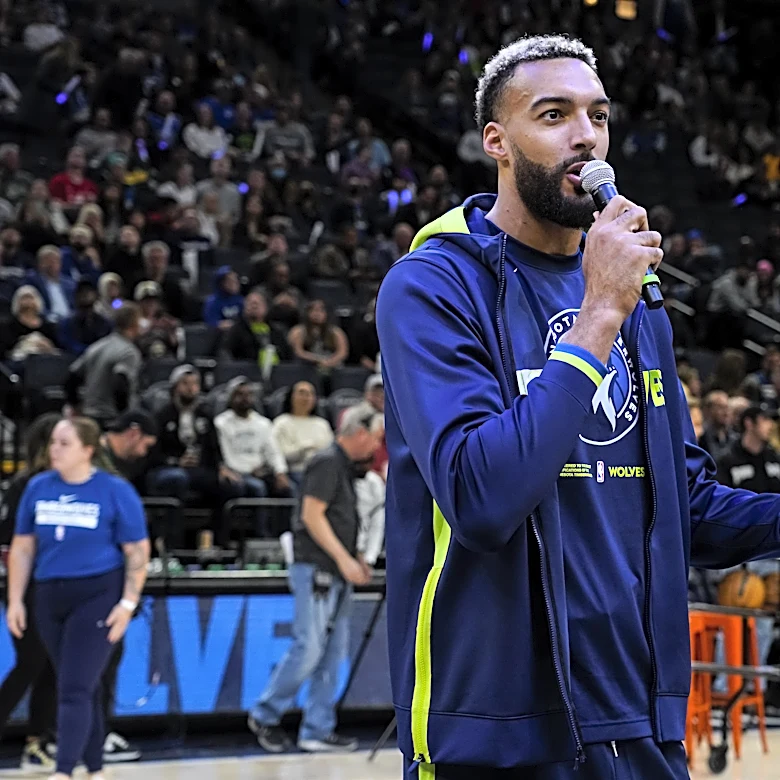
Aggregate those and the Blazers are the best overall rebounding team in the league with a 55.8% total rebounding percentage. By comparison, Rudy Gobert and the Minnesota Timberwolves are a distant second at 35.8%.
Note that this isn’t a bad category to rule. Last season the Rockets, Pistons, Knicks, Celtics, Spurs, and Nuggets all ranked Top 10. To be fair, so did the Blazers, but that doesn’t obscure the fact that rebounding matters to many of the absolute best teams in the league, including current and former NBA Finals participants and champions.
Conclusion
So, are the Trail Blazers legit? So far they are. You can see how they’re doing it. It’s not a gimmick. It makes sense. Proven principles—basketball and mathematic—lie behind their success.
Whether they can keep it up remains to be seen, of course. It shouldn’t be lost on anyone that we spent twelve paragraphs on their offense, four on everything else. Portland will probably be decent-to-good based on their organic game. The extra scoring makes them spectacular right now. If their three-point shooting slips, or the three-point defense, if Donovan Clingan goes down (or gets into foul trouble) and the rebounding goes bye-bye, or if the Blazers run into a team that’s truly good defensively, their offensive edge will evaporate. At that point, the chances of winning big based on other factors seem slim.
For right now, though, until proven otherwise, the Blazers are playing exactly the way they want (and need) to play. Credit the roster and coaching staff for a system that works, at least in the semi-random early going of the NBA season.
Could some things be better? Sure. But at 5-1, the results couldn’t. If six teams in the Western Conference have two or fewer losses, well, that does put some perspective on the achievement so far. But hey, at least the Blazers are among them, right? That’s a legit step forward.
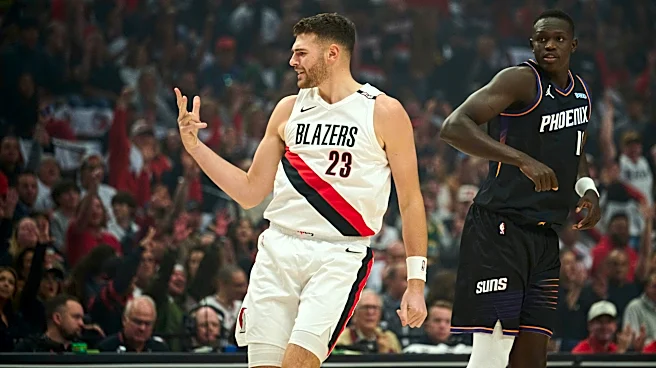
Thanks for your question! You all can send yours to blazersub@gmail.com and we’ll try to answer as many as possible! Be sure to tune in for the Game Day discussion as the Blazers face the Suns tonight, plus recaps and analysis after!