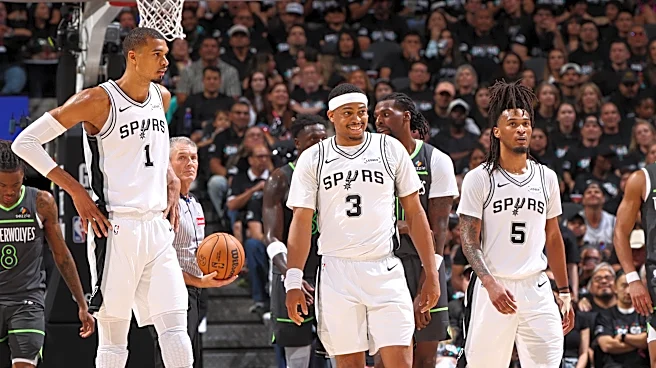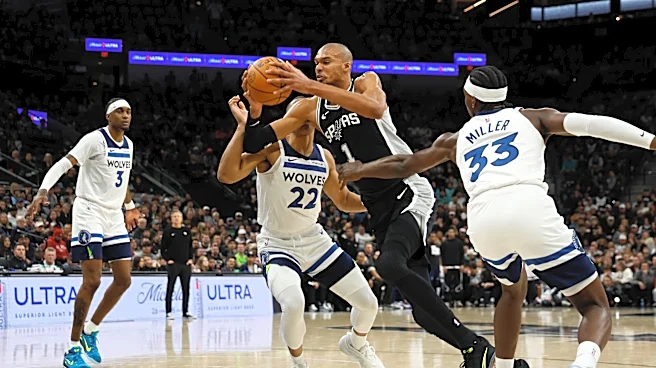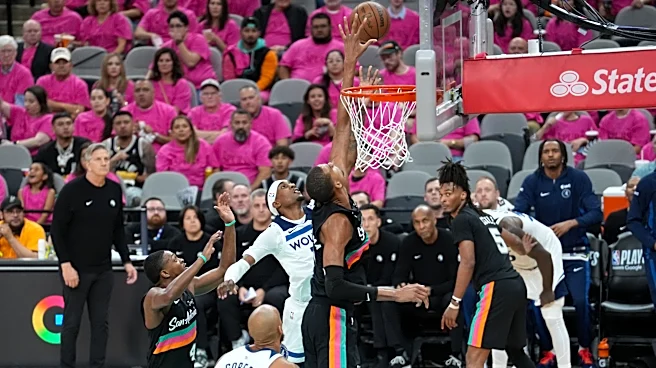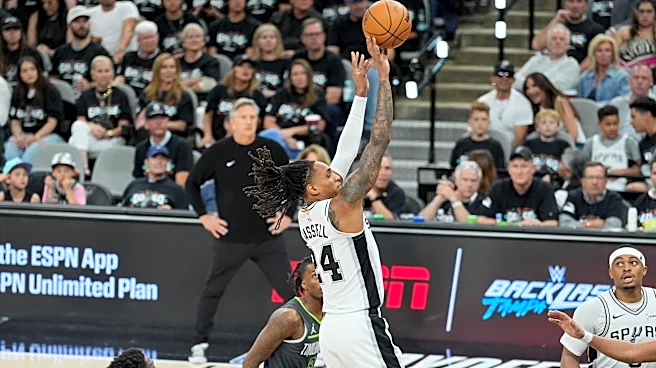

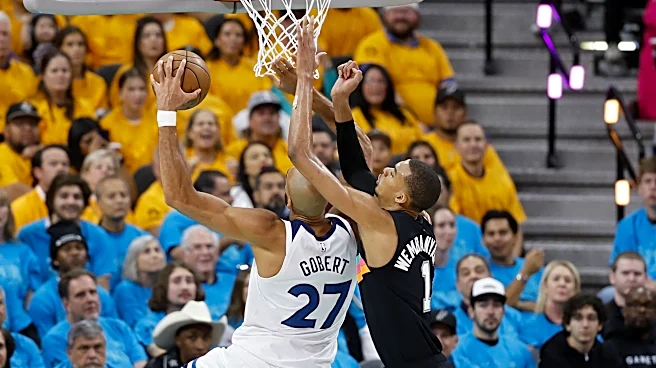
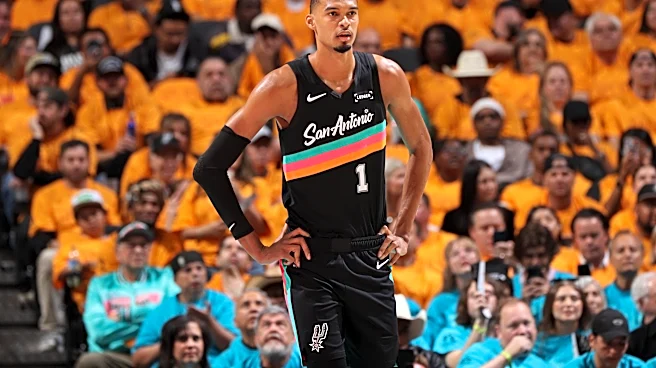

All wins count the same, and Minnesota still has reason to feel good. (After all, they now go back to Minneapolis knowing that holding serve at home will win them the series.) However, on a deeper level, I think that the nature of this victory could significantly alter the mindset of both teams. In the Timberwolves’ case, getting battered by 38 points significantly dampens the momentum they have building since the first round. For the Spurs, demonstrating to themselves that they can bounce back from
a tough playoff loss against a seasoned opponent might be yet another critical experience badge that they were always going to have to earn before becoming a championship team. In any case, this contest did produce some wild box score stats, so let’s review the highlights:
Note: Now that we’ve moved into the postseason, the reference period used for grading changes from the set of regular season games since 2012-2013 to the set of postseason games since 2012-2013. Unless otherwise noted below, this set DOES include play-in games. As of the end of May 4, 2026, this group include 1,171 games.

Factors that decided the game
- There really wasn’t much that San Antonio didn’t do better than Minnesota in this game. For example, they had more defensive (+11) and offensive (+1) rebounds, big edges in steals (+6) and blocks (+7), far fewer turnovers (-6), and more assists (+10). One way to gauge just how dominant the Spurs were is that 16 of the 17 grades listed in the table above is a C or better, which means that the all but one winner-loser (i.e., Spurs-Timberwolves) differential listed was roughly average or better relative to that achieved by the 1,175 postseason winners since 2012-2013.
- The Spurs’ only significant blemish was that they committed 28 total fouls. However, this ended up not being a big deal, as Minnesota had almost as many (25), and theirs were more likely to produce free throw opportunities. As such, San Antonio finished with a FTA margin of +2.
- In any case, this game was driven by a very simple fact: The Spurs were far more efficient from everywhere, and consequently made far more shots from everywhere. This was especially apparent at the charity stripe, where the Spurs held an absurd FT% margin of +30.21 percentage points, resulting in 11 more makes.
- The Silver and Black also enjoyed substantial advantages in FG% and 3P% (+10.23 and + 11.03 percentage points, respectively), which allowed them to make 10 more total field goals and seven more threes. Consequently, the Spurs outscored Minnesota by 27 from the field.
Rare Box Score Stats
- This is just the second postseason contest since 2012-2013 in which a winning team had a FT% differential of +30.21 percentage points or more when both teams had at least 30 free throw attempts. Thus, the odds of this happening during this period are about 1-in-588.
- Relatedly, this is game marks the ONLY time in the last 1,175 postseason games that any team (winner of loser) has made no more than 16 free throws on at least 31 attempts.
- This was just the 20th postseason game since 2012-2013 in which the winning team had at least 13 more stocks (steals +blocks).
- This was the 48th postseason contest since 2012-2013 in which a winning team committed at least 28 fouls (that’s about 4% of all postseason games). However, this was the only game in that set of 48 where the winning team earned a margin of victory of 38 (the previous high was 31).
What are Team Graded Box Scores?
Very briefly, these box scores grade winner-loser differentials for basic box score statistics, with the grade being based on the winning team’s differential relative to other NBA winners during a defined reference period. Think of it like a report card for understanding how a given winner performed relative to other winners. The reference period used runs from the start of the 2012-2013 season to the latest date of play, including only games in the same season category (i.e., regular season and playoff games are not compared to each other).
Data Source: The underlying data used to create these box scores was collected from Basketball Reference. In all cases, the data are collected the morning after the game is played. Although rare, postgame statistical revisions after data collection do occur and may affect the results after the fact.