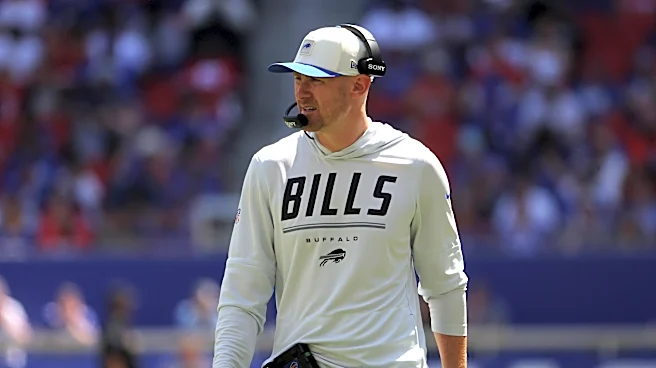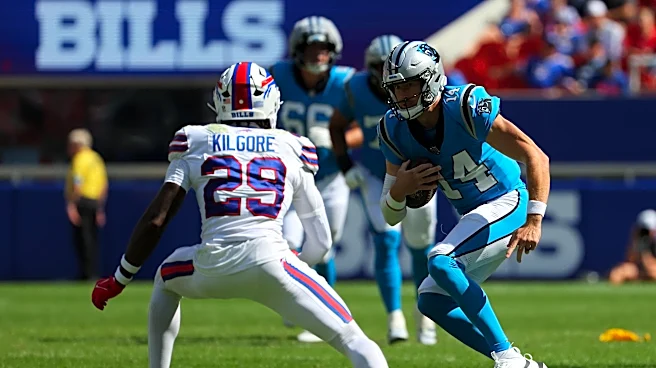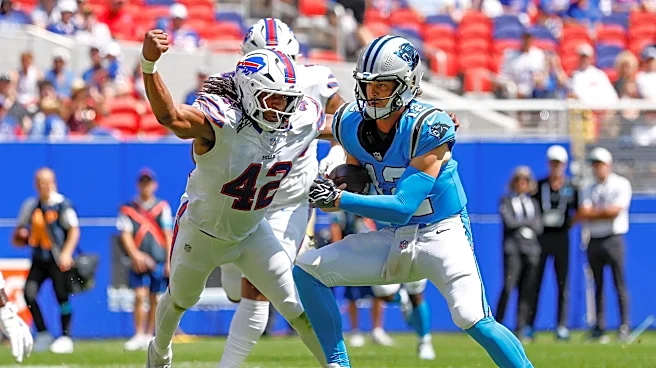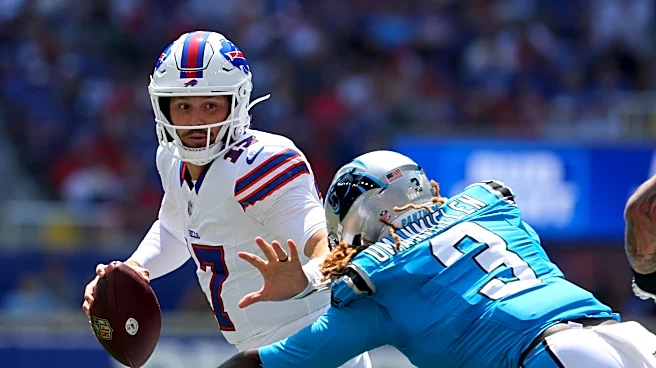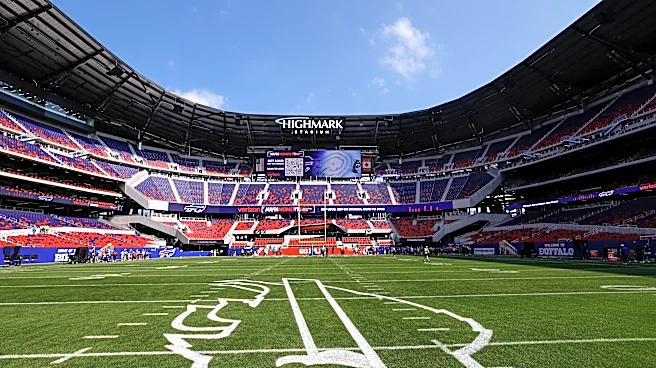





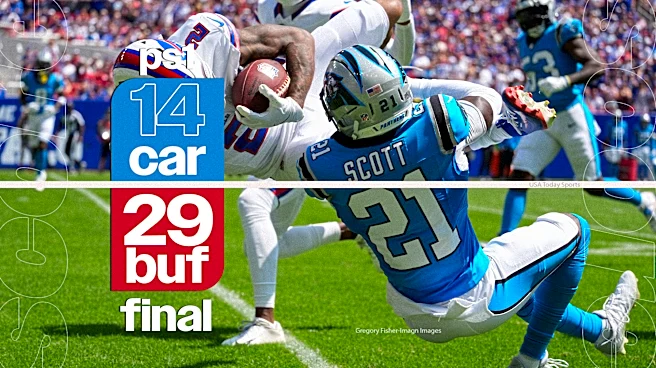

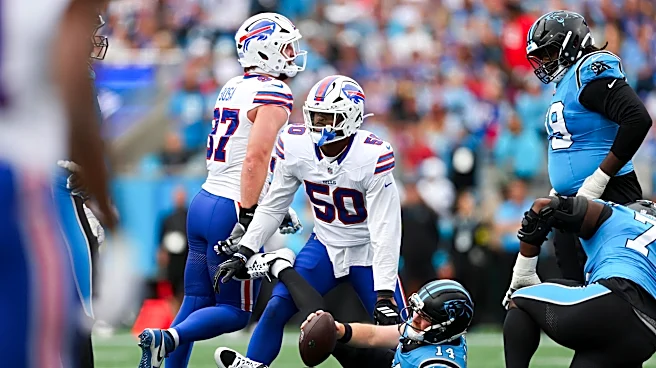
The Buffalo Bills played a football game for the first time ever at their new Highmark stadium. If you hadn’t heard by now, it was decided that the new field would have natural grass. Intended to be an upgrade for player safety and performance, the new grass got a proper field test. The divots and damage have led to some poor reviews. With Buffalo being known for some pretty bad weather, what can we expect the field of play to look like over the course of a season?
If we only had a comp…
Oh wait, we do actually. The Buffalo
Bills took much of their design for natural grass field from Green Bay’s Lambeau field. With heating elements to keep the grass green and the snow and ice at bay, there’s a lot of science behind keeping the field in playing condition. Assuming Buffalo’s landscaping team borrowed some Wisconsin trickery, what can we expect the field in Orchard Park to look like?
Rainy days
I can’t say I did an exhaustive search, but I found what I needed. I wanted to see a rainy day within the last couple years at Lambeau Field and this drenched contest against the Detroit Lions in Week 9 of the 2024 season fit the bill.
The video does a lot of the heavy lifting on this one. It’s pretty straightforward. On a day where you’d expect the field to get chewed up, the field got chewed up. I was hoping for something a bit closer to this contest in time for my next clip, but let’s take it away to three weeks later.
Recovery time
After the game against the Lions, Greey Bay had a bye week, then an away game. This tilt against the 49ers represents the next time the field was used. A 43ºF day but dry, you can see right from the opening kickoff that the field is not pristine. Is it a bad sign that me picking a game without an intensely laborious selection process saw the kicker on his butt right out of the gate?
There’s more than two things in the video, but they boil down to two things if you think about it. The field had not fully recovered after three weeks, and despite it being more dry than the last one, new damage to the playing surface is visible. Let’s take one more peek before we draw a final conclusion.
Late season cold game
Now I did look at both the final games at Lambeau in 2024 and honestly stopped recording after this one (34ºF compared to 16ºF). Why? The result is the same. You can see discoloration from uneven grass coverage. There are little divots. The field between the hash marks is blatantly worn down compared to the rest of the field.
The Final Straw
If you’re into my verdict it’s as easy as it gets. Even if Buffalo does everything right, there’s a natural consequence to a grass field. It will be chewed up. It won’t be pretty all season. It likely won’t be pretty for much of the season at all to be honest. While there will likely be complaints and concerns, this is the reality. It’s also not a new thing. Lambeau has been doing it for a long time.
According to the NFL, research on safety is murky at best. But players overwhelmingly prefer natural grass to artificial turf. Vitally, there are multiple published studies — like here and here and here — that clearly conclude natural grass is safer.
And even if it means more grass stains and a downgrade in aesthetics, the change to grass is probably worth it.