

September. We made it. Perhaps it’s more of a psychological barrier than anything, but when the calendar flips to September, you can’t help but feel a tinge of excitement. We are officially one month away from basketball reentering our lives and dominating our conversations.
Media Day is September 28. The Suns’ first preseason game is October 5. Opening night for Phoenix is October 21. And while the mercury in the thermometer still tells us it’s summer, you know fall is right around the corner.
Seeing
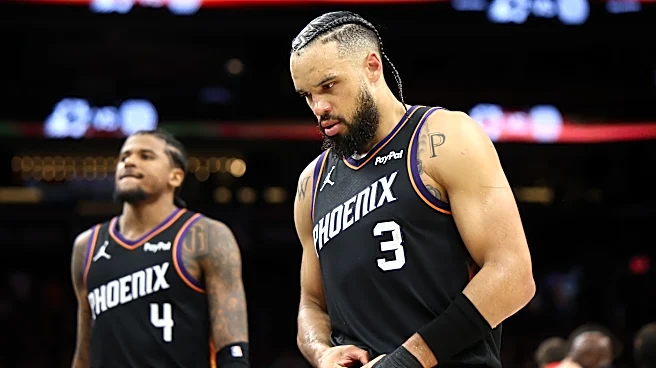
as it is September 1, it’s time once again for our annual preseason SunsRank. This is the thought exercise in which we take a look at the entirety of the Phoenix Suns roster and rank the players based on the very subjective question of who we believe is the best, the second best, the third best, and so on, all the way down to 18th. It’s also an opportunity to look back at where we were a season ago and then project where we think these players will land by the end of the year.
So, where did we end last season? Here are the 2026 SunsRank results from both our community and our writing staff following the conclusion of the 2025–26 season:
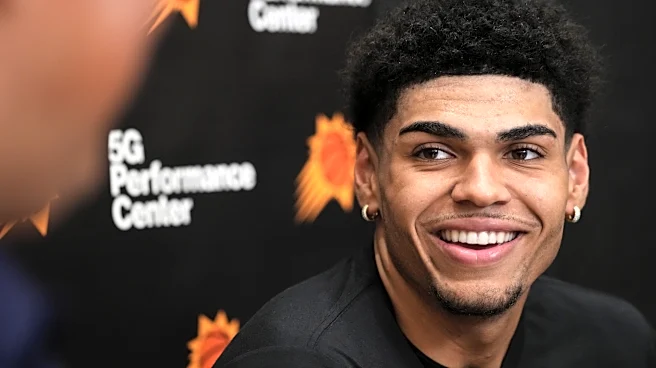
Some summers bring more turbulence and, because of that, a much more obvious shake-up in the SunsRank rankings. That wasn’t really the case for Phoenix this offseason. Continuity and development were the North Star for the organization, and the Suns stayed true to that approach. They moved up in the NBA Draft and selected Koa Peat out of the University of Arizona with the final pick of the first round. They traded Grayson Allen and Royce O’Neale to the Charlotte Hornets for Miles Bridges. They moved on from Isaiah Livers and Amir Coffey, then added Luke Kennard in free agency and Pat Spencer on a two-way contract. That’s it. That’s the transaction history of the Phoenix Suns this offseason.

So you might look at this exercise, ranking players based on the subjective term of who is “best,” and think it feels somewhat pointless. I disagree. First, there has been an injection of new players, and part of the exercise is seeing where they fit within the hierarchy of this ecosystem. Second, “best” means something different to everyone. Best can mean highest upside. Best can mean the most complete player at this point in time. Best can mean where you think that player will ultimately land by the end of the season.
But before we start ranking individual players, the best way to approach this is by putting everyone into tiers. I could run a poll and ask you to rank every player from 1 to 18, but that feels like a lot to absorb at once. Instead, we’ll break the roster into tiers and then rank the players within those tiers.
So what are the tiers?
Tier 1: The Cornerstones
These are the stars the Suns are building around. They’re expected to have a major impact every night and will ultimately determine how far this team can go.
Tier 2: The Pillars
These are reliable rotation players who provide stability and help hold the roster together. They may not be the stars, but the Suns need them to consistently do their jobs.
Tier 3: The Wild Cards
These are the players who could end up being more important than expected. They’re not guaranteed to have a major role, but there’s enough potential for them to surprise and work their way into the rotation.
Tier 4: The Depth Pieces
These are your end-of-the-bench players who provide depth when needed. Their roles may be limited, but injuries, matchups, and circumstances can create opportunities for them to contribute.
And now? It’s your chance to place each player into their SunsRank tier. Based on the results of this voting, we’ll then begin going tier by tier, allowing you to rank the players within the confines of each group and ultimately build out our complete SunsRank for the 2026–27 season.
So let the SunsRank journey begin. Consider this the first step toward welcoming basketball back into our lives. Ahhh. September…