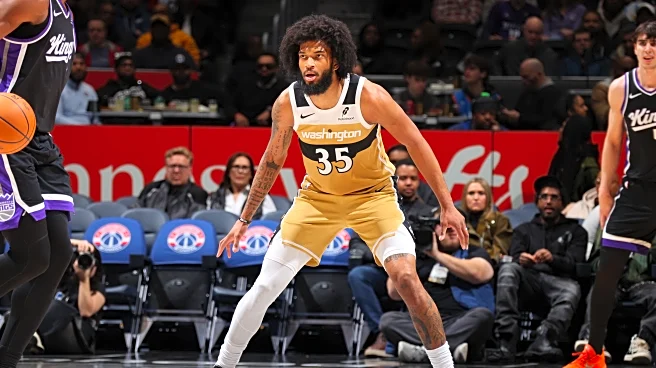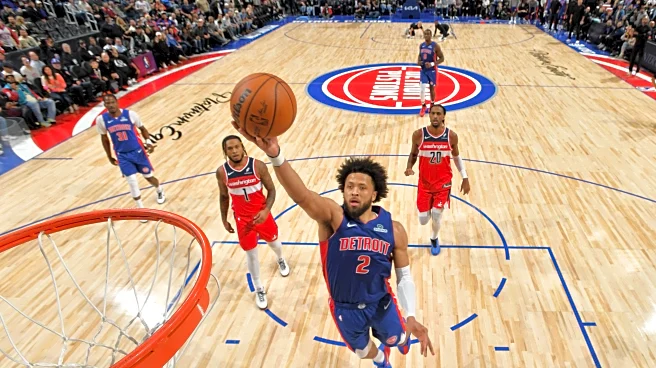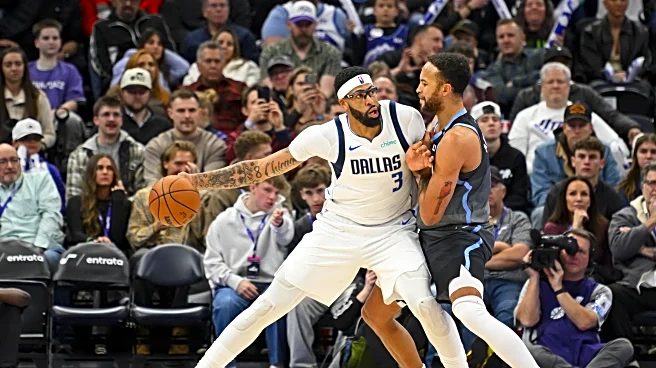

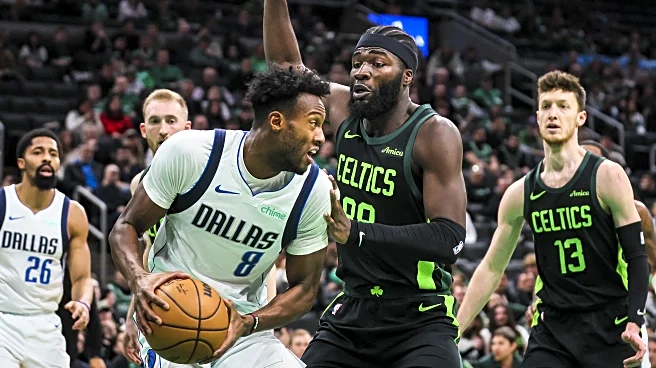
In keeping with decades of Wizards tradition, they made a major transaction while I was otherwise occupied. Today, it was meetings and deadlines. In previous years, I’ve been on flights, at business events, or behind the wheel on long drives.
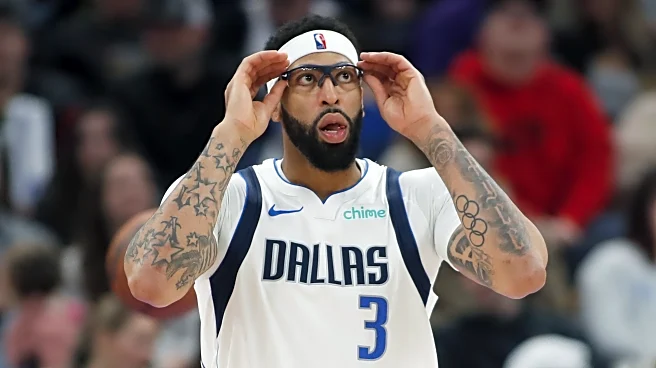
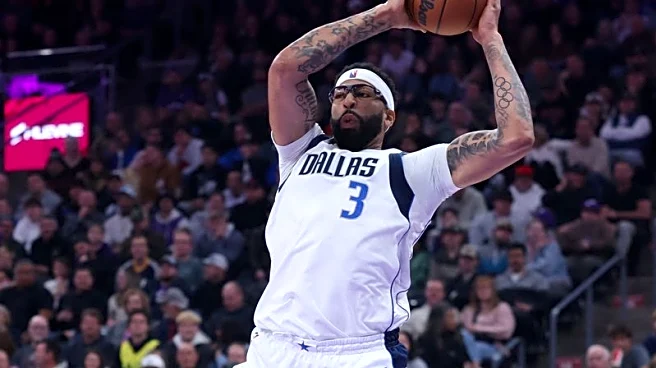
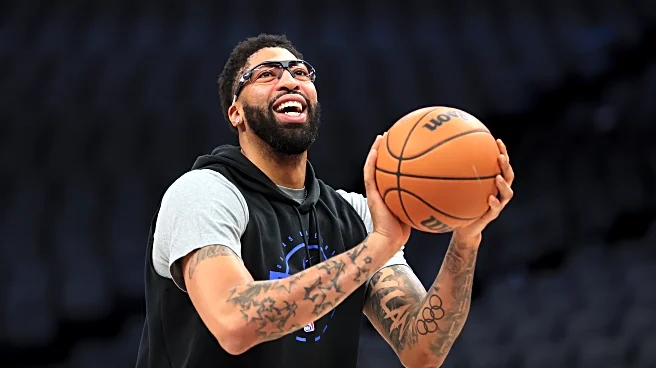
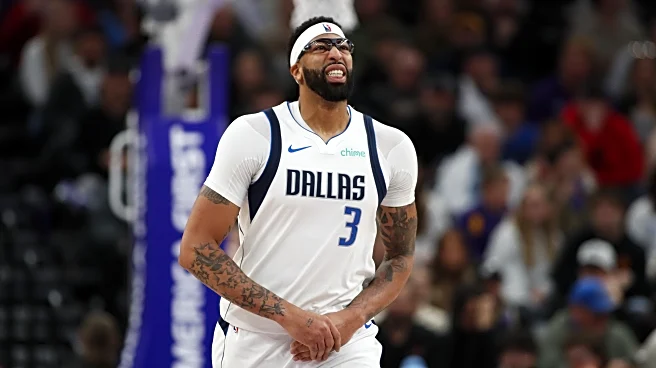
My first reaction to the Wizards trading for Anthony Davis: “This is nuts.”

Then someone texted that Washington had given up two first round picks and three seconds, and so my second reaction was: “This is really nuts!”
Then I finally took a break for lunch and
saw the details. And the details are critical.
The Details
Washington gives up:
- Khris Middleton
- AJ Johnson
- Malaki Branham
- Marvin Bagley III
- 2026 first-round pick (from the Oklahoma City Thunder) — probably the 30th selection
- 2030 first-round pick (from the Golden State Warriors, top-20 protected)
- 2026 second-round pick (from the Phoenix Suns)
- 2027 second-round pick (from the Chicago Bulls)
- 2029 second-round pick (from the Houston Rockets)
Washington gets back:
- Anthony Davis
- Jaden Hardy
- D’Angelo Russell
- Dante Exum
What’s In It For Dallas?
Like the Atlanta Hawks when they dealt Trae Young to Washington — the transaction reflects a stunning decline in player value. Yes, trading Luka Doncic for Davis was utter lunacy, but from the Dallas perspective, this trade is functionally a salary dump. And that’s amazing given Davis’ accomplishments as a player.
It’s also thoroughly understandable. Potential trade partners see the cliche — NBA players past age 30 reliably get worse and get injured.
None of the players Dallas received in this trade figure to stay long (don’t be shocked if Middleton takes a buyout to go elsewhere — maybe back to Milwaukee), and their new draft picks have a low expected value. What they get from this deal is cap flexibility and a clean slate to build around Cooper Flagg.
What’s In It For Washington?
For Washington, this trade is a fascinating, calculated, and calibrated gamble. Davis is 32-years-old, brutally expensive, and frequently injured. He’s guaranteed $58.5 million next season and has a player option for $62.8 million the year after that.
Like Young, he’s probably going to want a lucrative extension. Like Young, the Wizards would be wise to negotiate any future extension instead of simply awarding the maximum.
All that is to say, I see the same caution flags every other NBA front office sees, including Will Dawkins, Michael Winger, Travis Schlenk, and the rest of the management team. What the Wizards could do was ratchet the acquisition cost to a point where they could make the deal despite the warts. Despite the dents and dings. Despite the injury history.
The why is simple: Davis is still very damn good when he plays. His resume is great — 10-time All-Star, five-time All-Defense, and a bunch of other stuff. His moving company will need a few boxes to pack all his awards and honors and deliver them to his DC abode. Now, most of those awards and honors were front-loaded in his twenties, though he was All-Defense and All-NBA two seasons ago, and he was an All-Star last season.
Even with some decline and all the injuries, Davis remains one of the game’s absolute best rim protectors — especially in the postseason. He’s also an elite lob catcher and finisher, which should pair nicely with Young, who’s an all-time great lob passer.
According to my PPA metric (PPA is a pace neutral all-around production metric that includes accounting for role and defensive impact. In PPA, average is 100 and higher is better), while Davis had declined, he’s still been terrific. His half season in Los Angeles and Dallas last season — while somewhat down for him — would still be the best season for a Washington player in decades. Here’s his career progression:
How Davis fits in Washington will be interesting. He and Alex Sarr will likely be interchangeable up front. Davis should find the old-school bliss of not being labeled as a center, though his role will surely be to play both positions. The perimeter defense should have every opportunity to improve with two high-level rim protectors on the floor.
NBA teams are not looking forward to the prospect of trying to play offense against a Wizards lineup with Davis, Sarr, Bilal Coulibaly, and Kyshawn George out there.
The deal does reduce Washington’s flexibility over the next 2-3 seasons. With Davis and Young, the Wizards are near the luxury tax line, so it’s unlikely they’ll add salary. They’ll also be limited in their ability to sign free agents.
Truth is: they were already limited. High-value players haven’t been changing teams via free agency the past few years. It’s more lucrative to sign an extension with your own team and then demand a trade.
They were also limited by the quality of upcoming free agents. The free agent marketplace will include some good players who can help improve a team, but there aren’t going to be franchise-altering talents on the market.
That’s before getting to factors like the reticence of good players to sign with bad teams. Sure, it’s theoretically great to lead a turnaround. It can also really stink to get trapped on a perennial loser if some of the young guys don’t pan out.
While the Davis trade is an unambiguous signal that Washington wants to exit The Tanking Era, it’s worth noting they kept all their own draft picks. If Davis and Young are failures, the team retains control of their future player acquisition assets. If they succeed, those picks can be traded for more immediate help.
In both the Davis and Young transactions, they’ve added talented players with problems. Those problems are what enabled the team to negotiate major discounts relative to their abilities and reputations. In other words, the Wizards got lower prices because they could afford the salaries and were willing to accept the risks and challenges that other teams had decided were intolerable.
They’ve spent roster and salary flexibility, which is okay because a) their promising youngsters are so incredibly young, b) they kept their picks and c) they have options with Davis and Young.
Both, either, or neither can get a contract extension. The Wizards can negotiate new extensions — they don’t have to simply award the maximum.
If both Davis and Young are disastrous, the Wizards can keep right on building with the kids. Sarr has been excellent for a 20-year-old in his second season. George has much to work on but made a significant jump in a single offseason. At worst, Coulibaly is a perimeter defensive stopper. And they’ll add another youngster this offseason. And they have all their own first-round picks going forward.
Is this trade nuts? Nope. Not for Washington. It is something of a gamble, which is true of every player acquisition. Decision makers are tasked with predicting the future — something that’s always best guess. In acquiring Davis (and Young before him), the Wizards front office calculated the risks and costs and wound up paying relatively low prices for potentially elite production.
Now, Wizards fans will need to be patient. Young won’t play at least until after the All-Star break. My guess: if he does play this season, it won’t be much. He’ll “suffer” some kind of debilitating soreness and sit a bunch of games so the Wizards can finish losing a bunch this season and keep their draft pick.
Davis will likely miss the rest of season with the sprained hand. If surgery will help, he’ll probably get it soon.
Things will get interesting next season. Davis and Young should arrive in good health. The young core will have another season of experience and offseason of work. And they’ll have yet another high draft pick on the squad. “Designed to lose” won’t be a factor. Next season, for the first time in years, the Wizards are actually going to try to win.