


In 2023, just three years ago, the Atlanta Braves had just completed what is statistically recognized as the greatest single-season of team performance at the plate in a 162-game season. The Braves as a team hit .276/.344/.501 with a wOBA of .359, an astonishing xwOBA of .364, a mind-boggling 307 home runs and a team wRC+ of 126. There is no other offense in the history of baseball that was that consistent over the course of 162 games. If the Braves had gone deep into that year’s Postseason instead
of falling flat on their face against the Phillies (for the second season in a row, mind you), that team would be a lot more fondly remembered by not just Braves fans and media but the baseball universe as a whole.
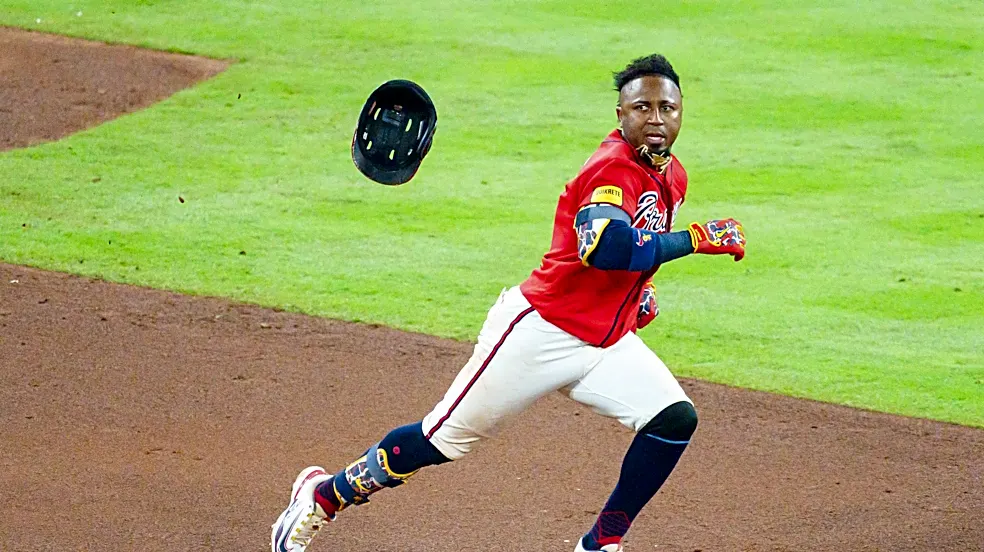
Instead, it feels like one of those things that’ll be left as a footnote to history — especially considering how Atlanta’s offense has looked since then. Despite the fact that six of the core players from that 2023 lineup (Ronald Acuña Jr., Ozzie Albies, Michael Harris II, Sean Murphy, Matt Olson and Austin Riley) are still around and only two of them are currently over 30, the Braves have largely been average in the three seasons since that historic 2023 performance.
Across the three seasons, he Braves have been a completely average ballclub at the plate — they’ve hit .245/.313/.408 with a .315 wOBA, a .321 xwOBA and a wRC+ of exactly 100, placing them in 15th place (exactly middle of the road) among big league ballclubs from the 2024 season through the 2026 season. 2024 saw the Braves go down to a 101 wRC+ (13th overall) before they somehow managed to repeat the trick in 2025 with the same number in that regard and then 2026 actually saw Atlanta’s offense fall down to a 20th-ranked offense in wRC+ with 97.
One thing that’s remained somewhat constant is the home run rate. In 2024, the Braves hit 213 homers (4th overall), hit for .172 in Isolated Power (5th overall) and slugged for .415 (9th overall). In 2025, their homers went down to 190 (14th overall), .155 in Isolated Power (15th overall) and slugged for .399 (14th overall). In 2026, the homers went back up to 204 (7th overall), their Isolated Power went up as well to .162 (9th overall) and they tied with the Yankees for sixth place overall in slugging at .409.
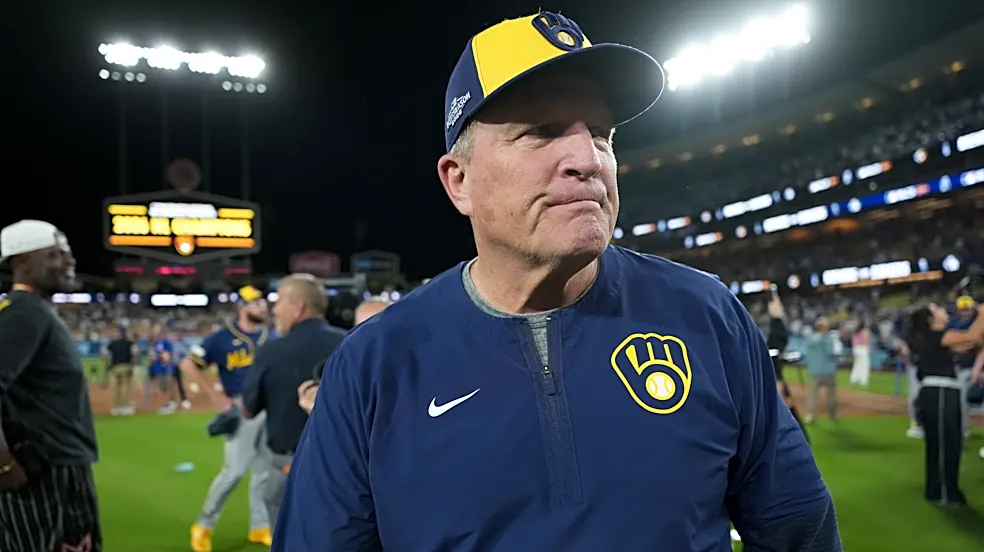
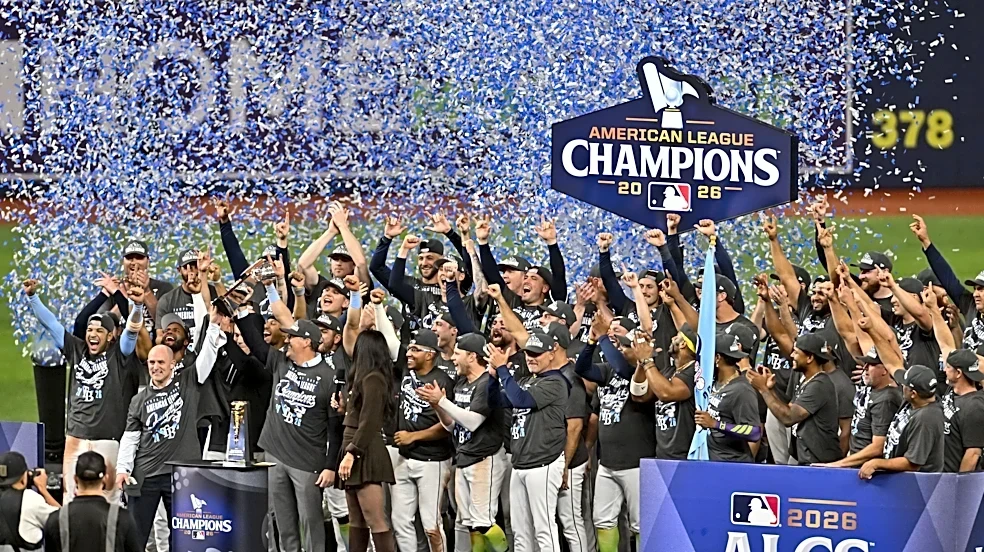
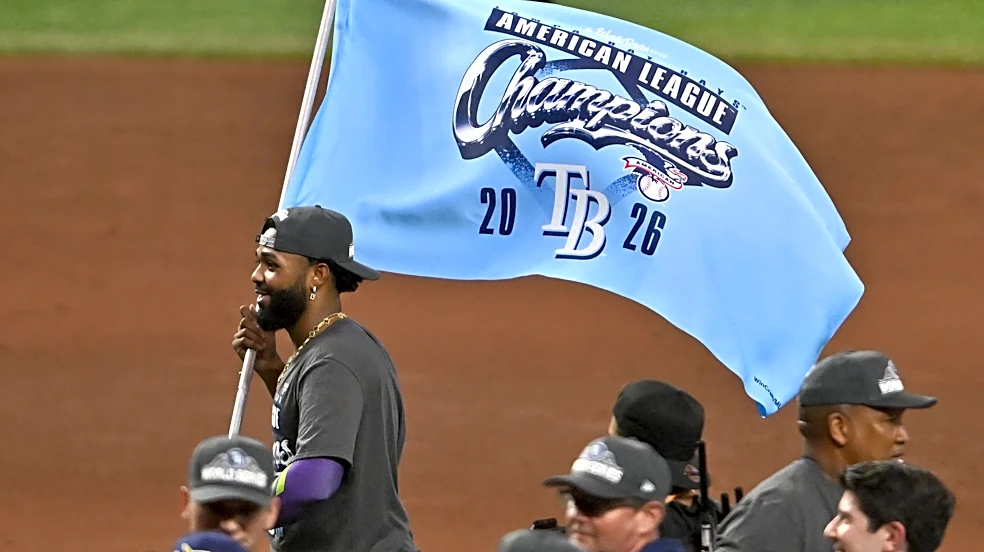
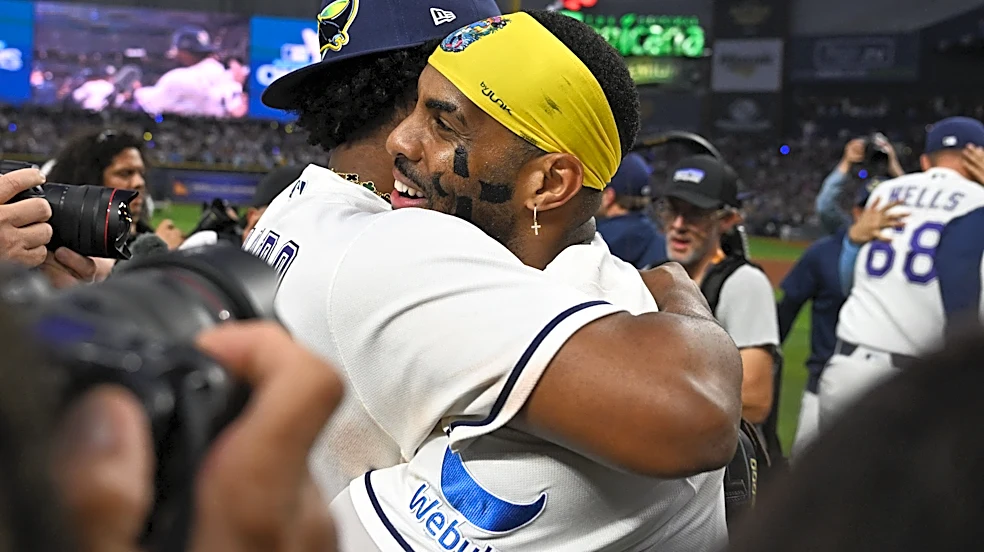
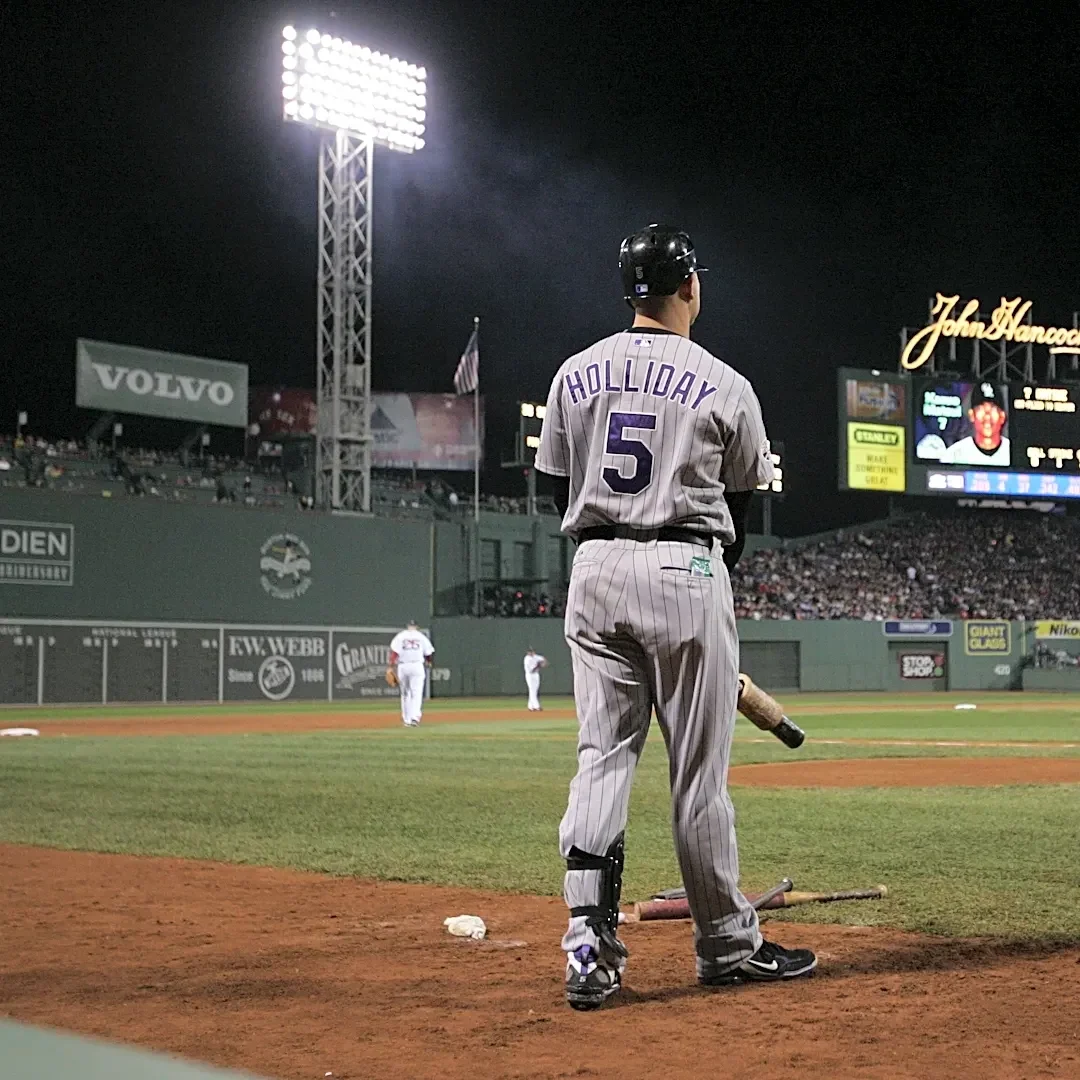
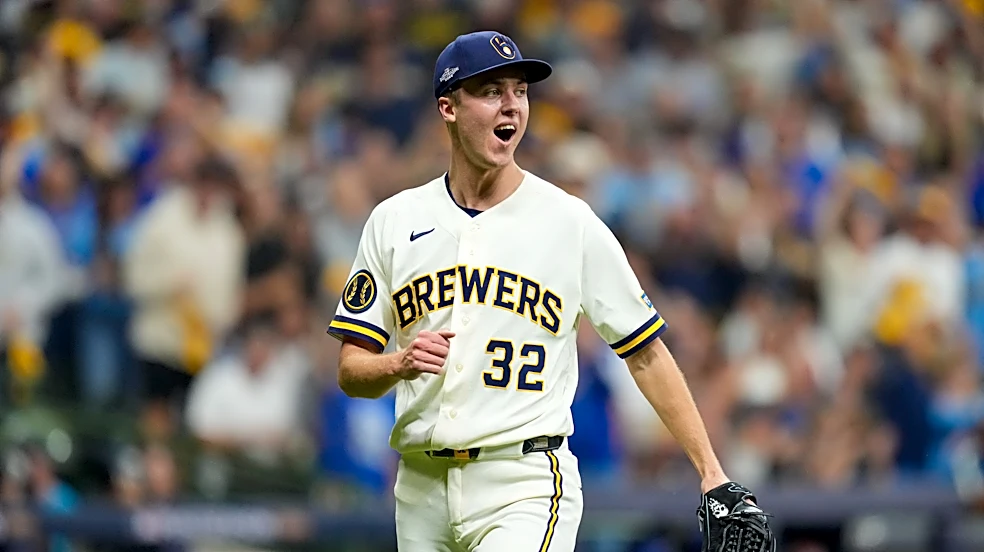
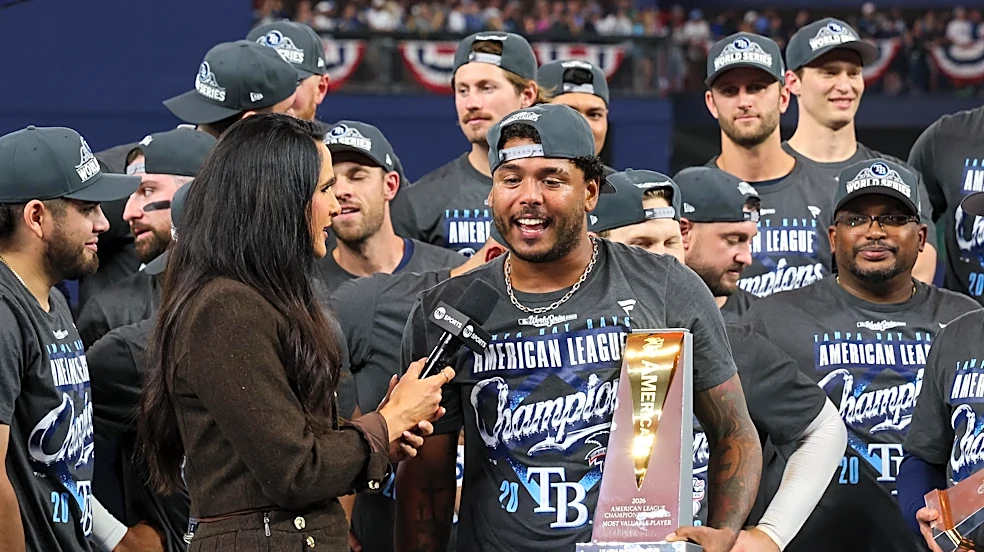
Since the NL Champion Milwaukee Brewers and the AL Champion Tampa Bay Rays are both the talk of the town right, let’s compare Atlanta’s offense in 2026 to theirs. The Braves hit more homers than either the Rays (169) or the Brewers (154, fewest in the NL), Atlanta slugged at a higher rate than either Milwaukee (.403) or Tampa Bay (.402), and the Braves had a higher number in Isolated Power than either the Brewers (.144) or the Rays (.143). So when it came for hitting for power and hitting the long ball, the Braves were clearly better at doing that than any of the two teams who will be playing for that nice gold trophy this Fall.
Despite that, the Brewers (.328) and Rays (.320) both easily cleared the Braves in terms of wOBA and the Brewers did the same in xWOBA (.321) as well. Milwaukee ended up finishing third in wRC+ (107) and Tampa Bay finished in sixth with 104 wRC+.
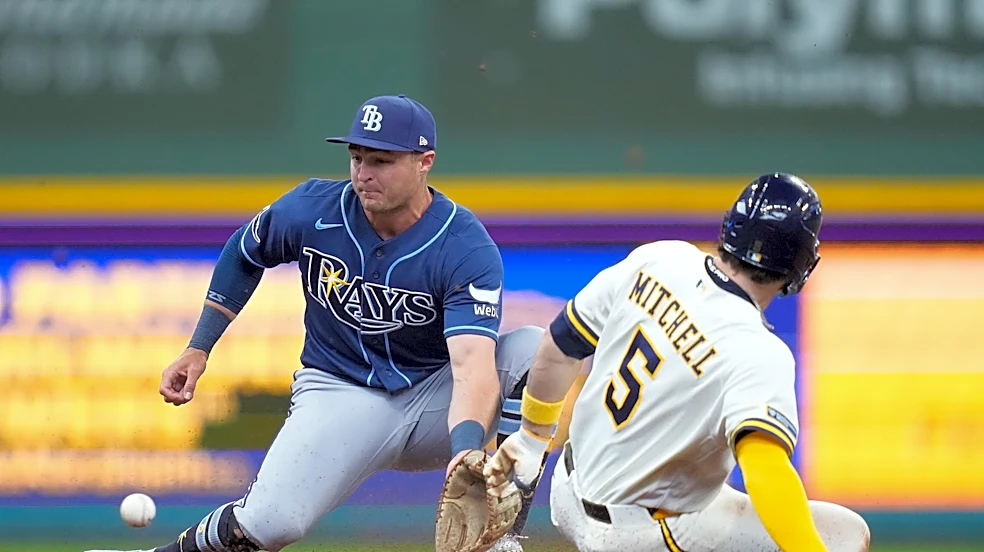
So what gives, here? I’d imagine that all of y’all who are over here at this particular website are smart enough to realize that there’s more ways to take bases than simply hitting for power and putting ‘em over the fence. Where the Brewers and Rays did a ton of damage this season was from wreaking havoc on the basepaths. According to Statcast, the Brewers finished with a Baserunning Runs Value of 9, which was tied for third in all of baseball. The Rays weren’t all that far behind, as they finished with a BRV of 4. The Braves wound up tied for 21st with a BRV of negative-4. The Brewers led baseball in Extra Bases Taken Run Value and the Rays placed in the Top-10 in that regard — the Braves finished in 23rd in that category.
This wasn’t just a case of Milwaukee and Tampa Bay picking their spots, either — the Brewers attempted to advance baserunners at a less-than-one-percent above average rate while the Rays were only one percent above average in their attempts. The Braves were one-percent above average in that regard and still put up worse numbers on the basepaths.
If you like to think that the Rays and Brewers are on the cutting edge of where the on-field aspect of baseball is heading in the future, then it could be safe to assume that figuring out a way to extract value on the basepaths is going to be the way forward. I’m not saying that the Braves should just forget to hit homers and start bunting everywhere — I am saying that it’s clear the the Brewers and Rays figured out by owner-caused necessity that home runs are expensive and you’ve got to figure out different ways to put runs on the board rather than simply swinging for the fences and putting runs on the board via the long ball.
It doesn’t just mean bunting or eschewing “analytics” or giving up on power hitting altogether, since both the Rays and Brewers have still been able to do that well during the Postseason — it means smart, efficient baserunning and putting pressure on not just the opposing pitcher to make their pitches but also on the defense to stay locked in and make plays in the field against your baserunners. Contact and speed may be the next frontier that we see teams try to maximize on going forward into the future, as both of these teams have proven that if you can put the ball in play and bust it around the basepaths, good things can happen. That appears to be the way forward for the more analytic-minded teams and it’s not going to take a long while for other teams to catch up.
The good news for the Braves is that they appear to be set up pretty well when it comes to the defense and pitching. The Braves have continued to figure out a way to keep their pitching staff afloat despite not having a full-strength starting rotation for a long time now, their bullpen is usually reliable and according to Fielding Run Value, the Braves were top-10 in that category and were better than the Brewers and the Rays. They’ve got the tools to do some good work at run prevention and I’d imagine that that could be the new way for the Braves to consistently win games going forward.
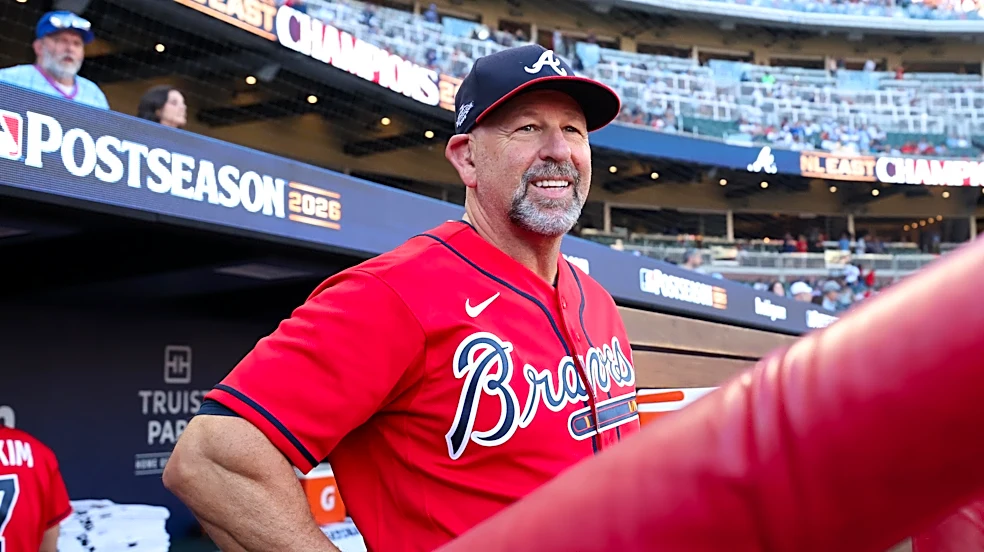
That’s because due to the fact that they’re currently locked in with their core set of batters, the Braves appear to be stuck in a 2023 philosophy due to their personnel limitations. While Walt Weiss, Antoan Richardson, Tommy Watkins and the rest of this staff have been trying their best to make baserunning a strength of this team, they may be limited by the fact that this squad just isn’t exactly adept when it comes to running the bases effectively.
Sprint Speed isn’t everything but it’s pretty tough to be very effective on the basepaths when you’re currently stuck with the 29th-fastest team in baseball according to Sprint Speed. The Braves averaged a Sprint Speed of 27.0 ft/sec in 2026 — the Rays came in 11th at 27.5 ft/sec and the Brewers led baseball at 28.1 ft/sec. In terms of competitive runs (according to Statcast), the Rays and Brewers were both in the Top 3 — the Braves came in at 18th.
This team just may not have the horses to run the track meet in this new era that baseball may be entering into. If that’s the case, then Alex Anthopoulos’s job of getting this offense up to speed (for lack of a better term) may be even trickier than we thought. A lineup that seemed locked in for greatness not even five years ago might find itself left in the dust if Milwaukee and Tampa Bay’s version of baseball turns out to be the way forward for baseball going into the near future.
I’m not going to turn into that guy who says “JUST BUNT IT” whenever there’s even a decent amount of space on the infield but at the same time, it’s fair to ask whether or not the Braves may have found themselves getting left behind at a very inopportune moment in time as far as the future of the sport goes. We’ll see what happens, though.