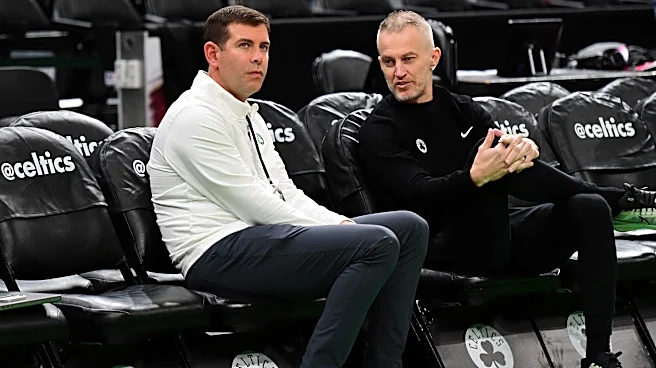





Boston Celtics President of Basketball Operations Brad Stevens has no reason to feel satisfied — and he isn’t.
Just four days after the team’s Game 7 loss to the Philadelphia 76ers, a defeat that marked the first blown 3-1 playoff lead in franchise history, Stevens spoke at his end-of-season press conference at the Auerbach Center. He didn’t sugarcoat his feelings about the team’s brief postseason run, making it clear that getting bounced in the first round isn’t a spot the organization wants to be
in.
“I’m pissed,” Stevens told reporters on Wednesday, per NBC Sports Boston. “I’d rather be playing New York tonight. We all would.”
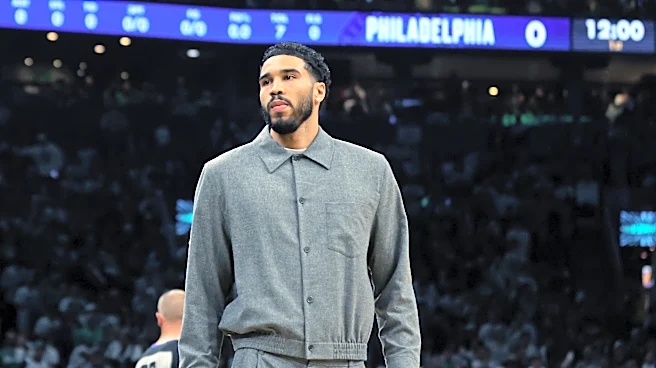
The Celtics set their bar after winning 56 games in the regular season and locking the No. 2 seed in the Eastern Conference. Even without Jayson Tatum through their first 62 games, they found a way to adapt and adjust their system to cater to the plethora of roster additions made in the offseason. It allowed for an open-mic-styled rotation where anybody, on any given night, could get an opportunity to contribute.
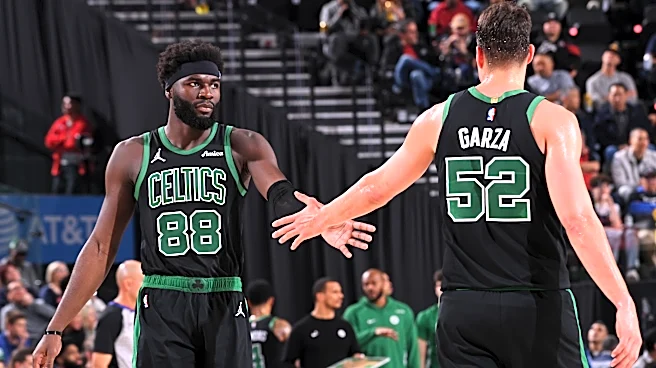
Some nights, rookie Hugo González got the start. Other nights, it was Jordan Walsh, Luka Garza, or Baylor Scheierman.
Early on, the Celtics unlocked their cheat code. Instead of tanking for the draft lottery — which nobody would’ve blamed them for — they chose the tougher path. They shook off their 0-3 start to the season, built their identity from the ground up, and went from underdogs to contenders while many other teams in similar positions across the league pulled the plug.
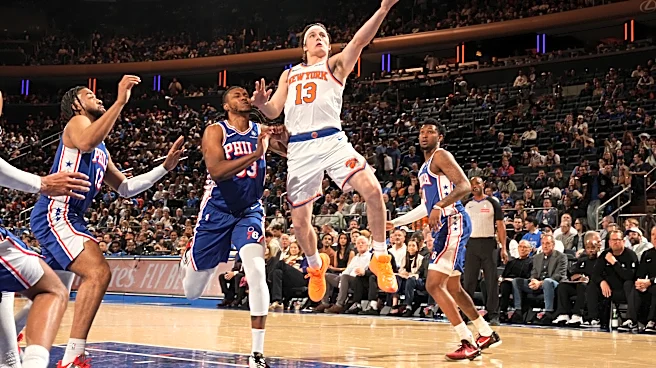
But once the playoffs began, the Celtics reverted to old, unhealthy habits against the Sixers.
They lost three games at home, putting their win percentage at TD Garden since their 2022 NBA Finals loss to the Golden State Warriors at .568 (25-19). Their issues weren’t anything new. They expanded a concern that we thought the team had resolved in its 2024 championship two years ago, yet still lingers.
“The reality is that we came up short,” Stevens said. “So now the job is to do an honest assessment. I’ve got a little sign above my desk that says, ‘What do you want? What’s true? And how do you get there?’ And there’s no question what we want. There’s no question, when you look at what’s true, that though we did a lot of good things, we lost in the first round, and we’re also 3-11 against the top three seeds in the West and the other top two in the East. So we’ve gotta get better.”

It’s encouraging for Stevens to demonstrate the kind of frustration that everyone in the organization should’ve expressed after Game 7. At the end of the day, Stevens calls the shots and understands the next steps after falling short.
Three years ago, when the Celtics fell to the No. 8 seed Miami Heat in the conference finals, Stevens immediately got to work. He made the difficult decisions of trading away Marcus Smart, a year removed from being named Defensive Player of the Year, Malcolm Brogdon, the then-reigning Sixth Man of the Year, and fan-favorite Robert Williams III — in exchange for acquiring Kristaps Porziņģis and Jrue Holiday.
Those moves were banner-motivated, but more importantly, they reflected Stevens’ awareness. He knew the Celtics couldn’t run it back with the same group, and that their postseason failures were an indictment of that. This time around, with an albeit overachieving group that lost sight of its identity, Stevens doesn’t feel all that different. He noted that with teams getting better and healthier going forward, the challenge of competing next season and beyond will only become more difficult for Boston.
“This is where the honest assessment part’s gotta come in, right?” Stevens said. “We’ve been to six Eastern Conference Finals, a couple of Finals in the last few years. We’ve won one (championship). And when you get beat in the first round, you’re not there. I think that the moves to get there — obviously, you have to consider the other teams that are at those levels — and I think the other thing that you have to consider, especially for next year, is there were a lot of teams in the NBA that were playing for draft positioning this year. That will not be the case next year. So the league’s gonna be a lot better. The regular season could be a lot harder, and it will probably give you a better indication of what everybody really is.”
Last offseason, the agenda was shedding payroll. Stevens did that, and, due in large part to a stellar job by head coach Joe Mazzulla in the regular season, kept the team on track without Tatum for most of the year. They built González into the league’s most underrated rookie. They turned Garza into a legit 3-point shooting threat (career-high 55 makes on 43.3 percent) and developed Queta into an impactful starting center after parting ways with Porziņģis, Al Horford, and Luke Kornet.
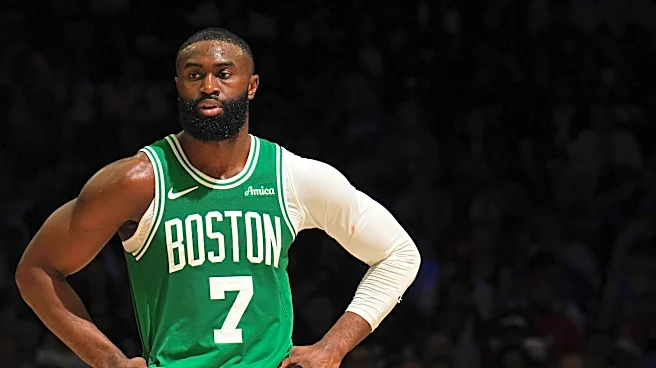
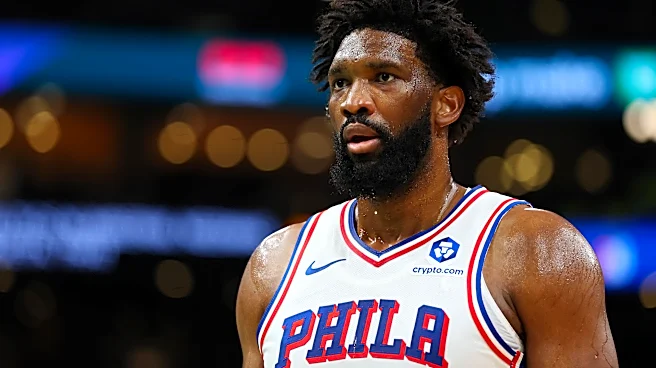
The problem became sustaining that formula. Jaylen Brown admitted after Game 5 that Boston just wasn’t “good enough” to close out Philadelphia. It wasn’t the foul-baiting by Joel Embiid or the officials or any other underlying factor that dragged the Celtics. It was them. They had their chances — three, in fact — and caved.
One way or another, Stevens intends to hold the team accountable for that.
There’s no question that roster improvements are vital if the Celtics plan to compete next season. The path to a return trip to the Finals has been squandered, but Stevens has been in this position before. He’s already turned the distraught emotions of a Game 7 loss to Miami into a flooded two-mile celebration after hoisting the franchise’s record 18th Larry O’Brien Trophy the following year. So this isn’t anything new to him.
What matters most is that the hunger for more hasn’t left Stevens one bit.
“I just want to win,” Stevens said.
“I don’t think play style comes before roster. You gotta figure out who you have and then play to the strengths of your team. But that’s on both ends of the court, and I thought our coaching staff did an amazing job this year. The series, I think, we all could’ve done better. There’s no question about it, and we’re all looking forward to improving off that. But it starts with we have to put the best roster we possibly can together, and we need to maximize the strengths of that group.”