


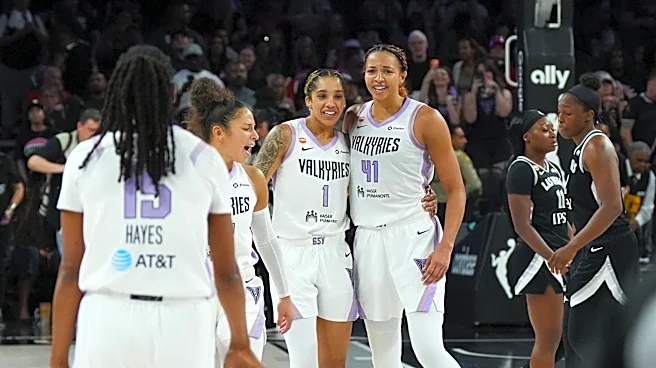

The Golden State Valkyries are up 1-0 over the Atlanta Dream in the 2026 WNBA Finals, fueled to the 68-64 win by the same factors that have propelled them to the Finals stage.
A combination of defense, depth, clutch play and, of course, the magic of Ballhalla spurred the Valkyries to victory, despite leading for only 15 percent of Game 1.
Here’s more on the four reasons why the Valkyries are a step closer to becoming the first team to win four games. In the comments, share your perspective on why Golden
State prevailed.
1. The Valkyries displayed their defensive discipline
When interviewed during the halftime break, head coach Natalie Nakase described her team’s defense as “terrible.”
Needless to say, that was an exaggeration, reflective of the coach’s high expectations.
Golden State’s defense was not flawless. They missed their marks in transition a bit too frequently. They also committed too many fouls, bailing out Atlanta in otherwise aimless halfcourt situations.
But a Dream team that had scored 85 points or more in their five playoff wins, and at least 92 points in four of those wins, finished with 64 points. That number on the scoreboard suggests that the Golden State defense was probably closer “terrific,” or, at worst, “tolerable,” than “terrible.”
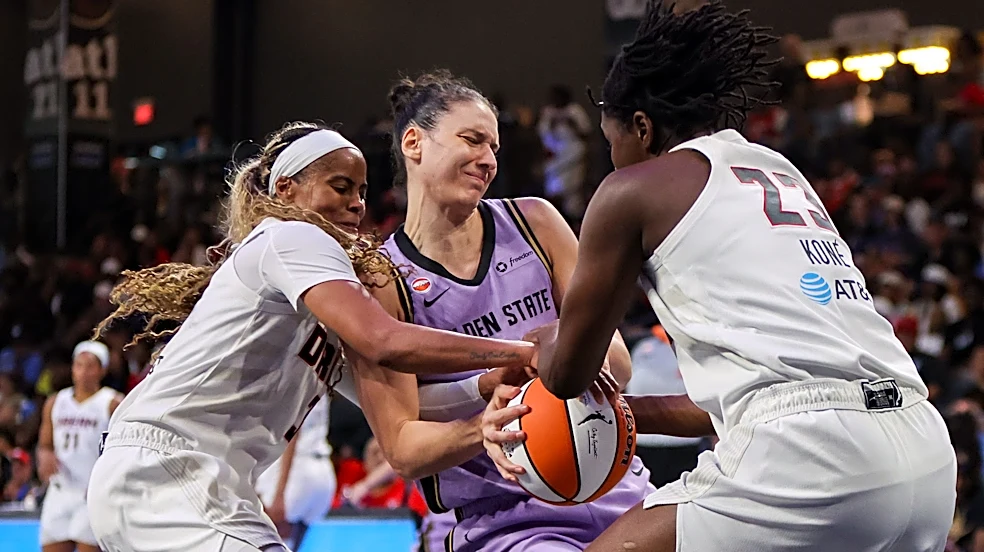
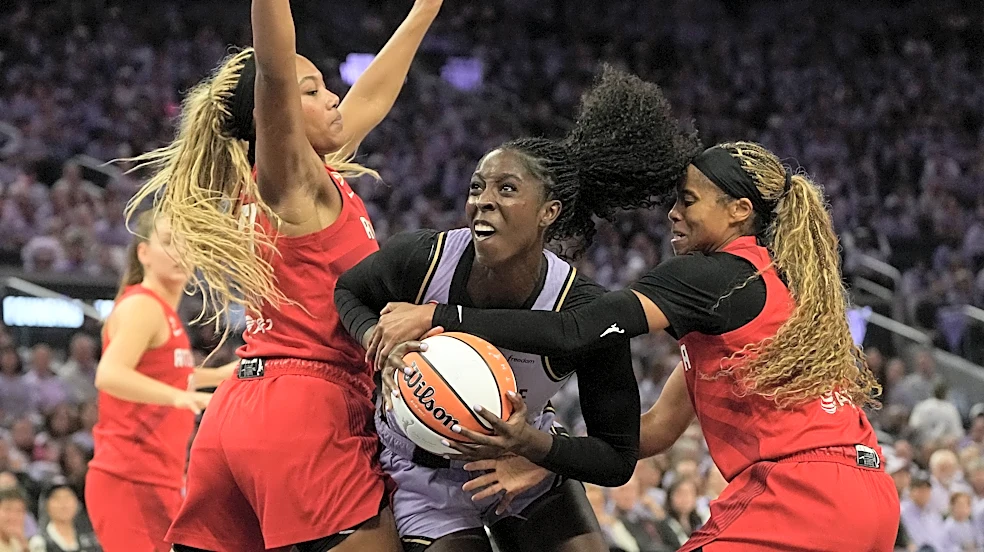
When the Valkyries were able to set their halfcourt defense, the Dream struggled to generate good looks. Golden State closed off driving opportunities, preventing Jordin Canada from breaking the paint to race to the rim for a finish or kick out to a teammate for a triple. The Golden State connectedness also produced a poor field goal percentage from Atlanta, a season-long signature of their stinginess. The Dream shot just 33 percent from the field and 16 percent from 3.
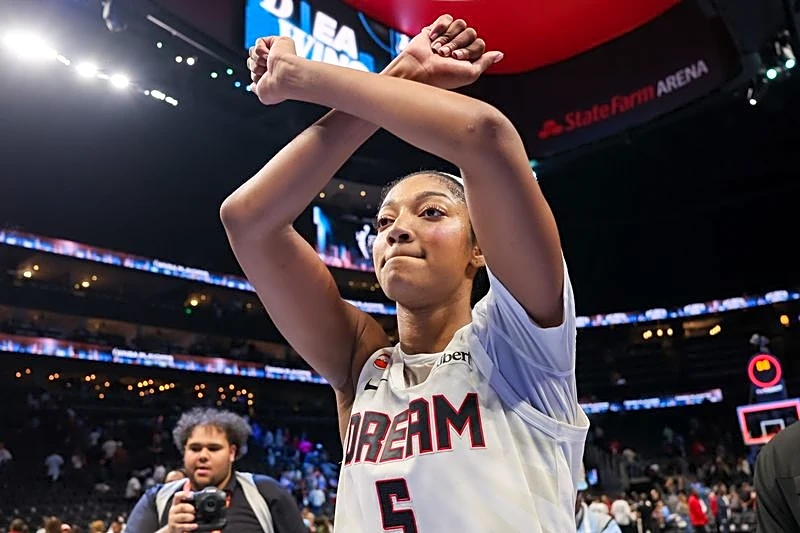
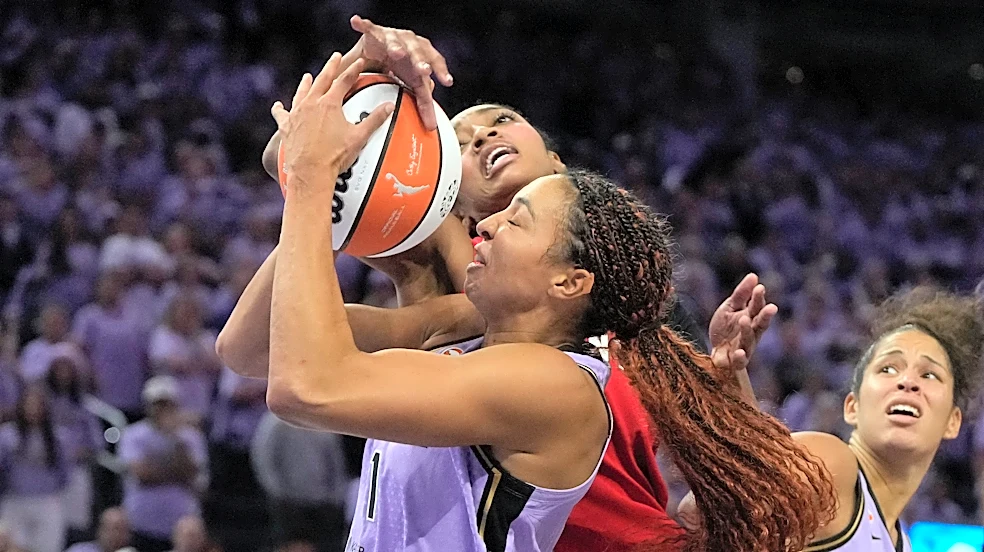
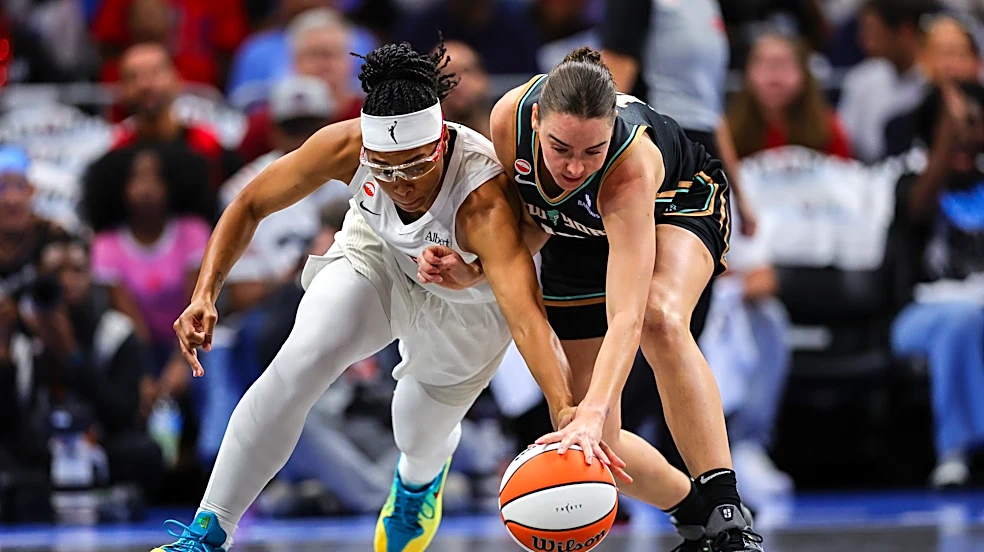
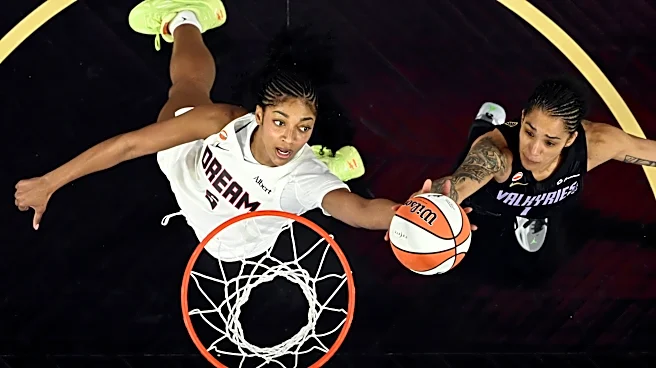
The Valkyries were also committed to the defensive glass, ending possessions and shutting down second-chance opportunities for the Dream. Atlanta finished with seven offensive boards, with five of them coming from Angel Reese.
The Valkyries defensive identity is discipline. For the Dream, it’s disruption. On Saturday, discipline won out, and that’s also because Golden State’s discipline extended to the offensive end.
The Dream were unable to rev up their disruption machine, which was so crucial to their control of their first-round and semifinal series. The Valkyries took care of the ball, committing just eight turnovers. The Dream only swiped five steals and scored just eight points off turnovers.
The Valkyrie offense wasn’t pretty. They shot 32 percent from the field and 21 percent from 3. But even if tons of possessions came up empty, they at least prevented Atlanta from turning defense into offense, with the offensive ball security enhancing their defensive solidity.
2. Nakase identified the right X factors
Nakase, once again, proved her prescient understanding of her team, as Kaila Charles and Laeticia Amihere emerged as the unexpected X factors who gave Golden State an edge.
Charles has featured in every playoff game, logging at least 17 minutes. On Saturday afternoon, she earned a playoff-high 30 minutes, contributing seven points, 10 rebounds, two steals and a blocks. The rebounds were especially additive. Down the stretch, it seemed like Charles was all over the glass, tipping, tapping or grabbing every Atlanta miss.
She essentially usurped starter Kayla Thornton in the Golden State rotation, with Thornton limited to seven minutes in which the Valkyries were outscored by 15 points; the Valkyries had 13-point scoring advantage in Charles’ minutes, the second-best mark on the team.
Amihere hadn’t seen any action since Game 1 of the first round. But the former Dream first-round pick was ready when called upon. Like Charles, she got after it on the glass, while also using her length on the interior, whether to disrupt or deter the Dream on the defensive end or extend possessions for the Valkyries on offense. Amihere finished with five points, five boards, a block and a steal in 14 minutes.
Combined, Golden State’s reserves contributed 20 points, compared to six from Atlanta’s. None of those, however, belong to Janelle Salaün. Nakase once again went away from the unanimous Sixth Player of the Year.
In Salaün’s five minutes, the Valkyries were outscored by 10 points, with her defensive limitations resulting in Nakase not giving her a second chance—at least in this game.
3. Gabby Williams was too cool in the clutch
Early in the fourth quarter, the Dream took a seven-point lead, thanks to two free throws from Howard.
From there, Atlanta would score just six more points in the final period. The Dream made only two field goals, with two more free throws from Howard with over three minutes remaining representing Atlanta’s final points. Golden State ultimately closed the game on a 7-0 run.
And while some of Atlanta’s issues were self-inflicted, Golden State’s defense deserves credit for making Atlanta uncomfortable. As Gabby Williams said after the game:
Even though we were down with a few minutes left, I think we had the game right where we wanted it because it just came down to getting stops. That’s been our bread and butter all season. That’s why we harp on it so much, because we’ve built great defensive habits for these moments.
On the other side of the ball, it was again Gabby’s time.
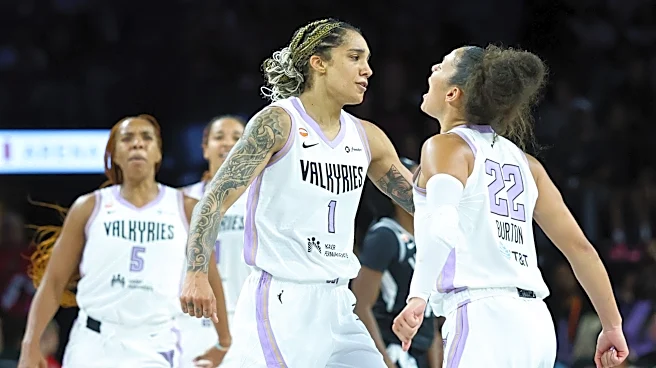
Empowered by the belief that the Valkyries have when the ball is in her hands, Williams, in contrast to Atlanta’s top offensive options, was decisive and dependable down the stretch, earning six free throws—and making them all. She exuded the calm and cool that has allowed the Valkyries to thrive in the clutch. Overall, Williams scored a game-high 26 points.
After the game, Nakase also expressed her clutchtime confidence in her team, emphasizing:
It kind of just fits into who we are. That’s been our identity. We rely on it. We know it’s effort. We know it’s the details.
That’s kind of been our, you know, our philosophy, especially down the stretch in close games. You could see that it’s just kind of, “Here we go again.” So, it’s the same thing. There’s a lot of familiarity and composure down the stretch.
4. Ballhalla buoyed the Valkyries through the buzzer
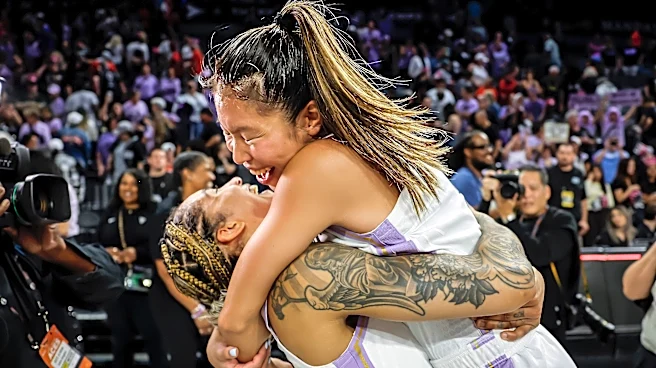
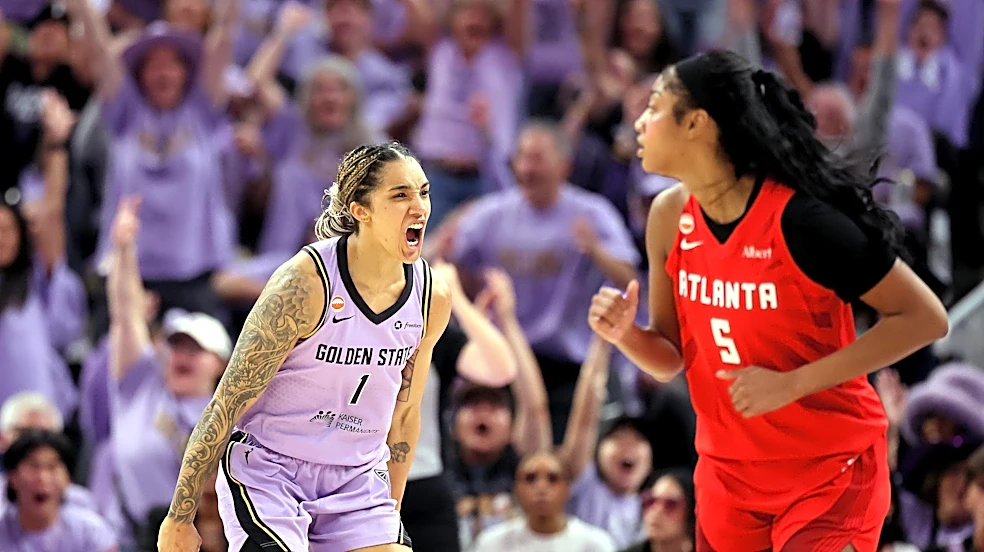
The fourth factor, one that enhances the power of the Valkyries’ defense, depth and clutchtime execution, was Ballhalla, as the roars from the packed and violet-clad Chase Center crowd provided a current of extra energy that turned potential moments of adversity into advantages.
Nakase, who certainly will have her team prepared for the challenges of Game 2, also demanded the same from her team’s supporters.