



In a 2025 season full of white flags, the biggest white flag of them all came for the Orioles in July. In the three weeks leading up to the July 31st Trade Deadline, the O’s executed eight trades that saw nine major leaguers head out the door—along with any dreams of fielding a competitive team.
The fire sale was the final nail in the coffin for the Orioles’ hopes of contending in 2025, and the start of the front office’s task to revive those hopes heading into the 2026 season. Those moves opened
the door for some of the additions we’ve already seen this offseason. The trades also made a sizeable impact on the health of the Orioles’ farm system.
And yet, some of those trades from the fire sale left holes in the roster that Elias & Co. have yet to fill. With 2025 set to come to a close, we look back at how the 2025 Trade Deadline fire sale set the scene for the ongoing 2026 offseason.
The trades
While all of these only happened about five months ago, the sheer number (and the overarching desire to erase the 2025 season from history) can make remembering who was traded difficult. The trades, in order, were:
- July 10th: Orioles trade RHP Bryan Baker to the Rays for the 37th pick in the 2025 MLB Draft (Later used to select OF Slater de Brun—Orioles No. 6 Prospect)
- July 25th: Orioles trade LHP Gregory Soto to the Mets for RHP Wellington Aracena (Orioles No. 29) and RHP Cameron Foster (NR)
- July 29th: Orioles trade RHP Seranthony Domínguez to the Blue Jays for RHP Juaron Watts-Brown (Orioles No. 13)
- July 31st: Orioles trade RHP Andrew Kittredge to the Cubs for INF Wilfi De La Cruz (Orioles No. 24)
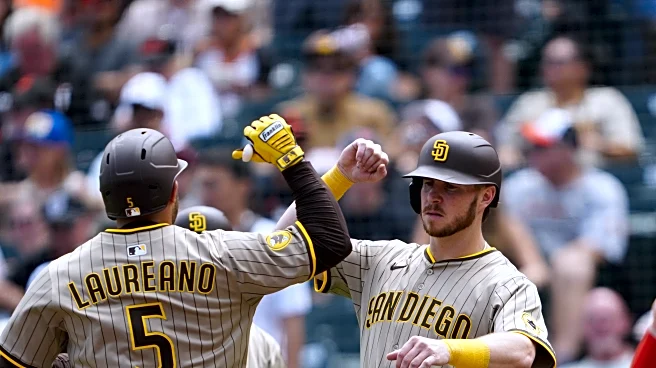
- July 31st: Orioles trade OF Ramón Laureano and 1B Ryan O’Hearn to the San Diego Padres for LHP Boston Bateman (Orioles No. 9), INF Cobb Hightower (Orioles No. 26), INF/OF Victor Figueroa (NR), RHP Tyson Neighbors (NR), INF Brandon Butterworth (NR), and RHP Tanner Smith (NR)
- July 31st: Orioles trade RHP Charlie Morton to the Tigers for LHP Micah Ashman (NR)
- July 31st: Orioles trade 3B Ramón Urías to the Astros for RHP Twine Palmer (NR)
- July 31st: Orioles trade OF Cedric Mullins to the Mets for RHP Anthony Nunez (NR), RHP Raimon Gómez (NR) and RHP Chandler Marsh (NR)
The biggest on-field impact came from the trade of Laureano and O’Hearn to the Padres, which also netted the O’s the most significant prospect package. The biggest emotional impact came from the trade of Mullins, the then-longest serving Oriole and only remaining connection to the pre-Elias days.
After the trade deadline, both the offense and the bullpen performance understandably cratered. O’Hearn and Laureano combined for 163 hits, 28 home runs and 89 RBIs at the time of their trade to San Diego, providing the Orioles’ offense a lifeline while other stars struggled. Without their presence in the lineup, the O’s struggled to a .214 average, a .355 slugging percentage and 3.7 runs/game across the last two months of the season.
With four high-leverage relievers heading out the door and with Félix Bautista out with a shoulder injury, Baltimore was left with Yennier Cano, Keegan Akin and a revolving door of relievers picked up off the scrap heap. The pen struggled to a 4.34 ERA over the last two months of the year, but did unearth some potential gems in the process. Relievers Kade Strowd, Rico Garcia and Dietrich Enns all pitched well enough down the stretch to earn shots at bigger roles in 2026.
The prospects
Mike Elias & Co. have often disappointed fans and pundits alike with his approach to developing pitching. The Orioles’ President of Baseball Operations seemingly heeded those concerns with his wheeling and dealings at the deadline. Of the 16 prospects the O’s received in return for their Major League fire sale, 11 were pitchers highlighted by the likes of Bateman, Watts-Brown and Aracena.
There was a clear emphasis on young, high-upside prospects in the players Elias procured with his plethora of trades. Watts-Brown is 23, while Bateman and Aracena are both 20. The top position players the Orioles acquired, De La Cruz and Hightower, are just 18 and 20, respectively.
These prospects do not exactly fit the “win now” timeline the Orioles hope they’ll be on in 2026. Their acquisition may just be the front office providing badly needed depth to an increasingly top-heavy farm system. Or, their acquisition could be Elias & Co. loading up on the ammo they’ll need to be active in the offseason trade market.
We’ve already seen credible sources connect the Orioles to Edward Cabrera and MacKenzie Gore, with others speculating about the O’s making the trade of all trades and acquiring Tarik Skubal from the Tigers. Before bolstering their prospect bank at the deadline, the Orioles probably didn’t have the players to really get involved in the trade market. Now, they’re not only involved, but one of the major players.
How the trades will affect the offseason
We’ve already seen Mike Elias aggressively attack some of the holes he created during the Great 2025 Fire Sale. He kicked off the offseason by reacquiring Kittredge for cash considerations, meaning the O’s basically rented him to the Cubs while netting a Top 30 prospect. And while the Ryan Helsley deal is more of a response to Bautista’s ongoing injury concerns, the front office may not have been as aggressive in getting that deal done quickly if not for the relatively unstable nature of the Baltimore bullpen.
The trade for Taylor Ward and the signing of Pete Alonso are not only replacing Laureano and O’Hearn, but upgrading on what the Orioles lost. The outgoing O’s finished their 2025 season with 41 HRs and 139 RBIs. Alonso nearly cleared those numbers by himself last season, and together he and Ward topped 70 HRs and 200 RBIs for their previous employers. Both of the Orioles’ newest bats come with strikeout concerns, but even so, they represent clear upgrades in the O’s sorely lacking power department.
What didn’t trade much at the trade deadline, and hasn’t changed so far this offseason, is the starting pitching situation in Baltimore. The trade of the now-retired Morton made a below-average rotation only slightly worse. The same can be said about the departures of free agents Tomoyuki Sugano and Zach Eflin. The Orioles have had obvious holes in their rotation for over a year. The trade deadline moves did not change that need; it may, however, have given the front office the financial flexibility, prospect depth and motivation to finally address that need in a meaningful way.