


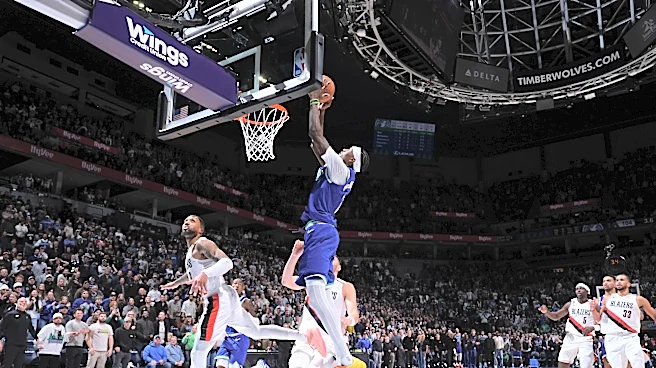
The Portland Trail Blazers are coming off a pair of losses to the Minnesota Timberwolves, a bit of a damper on their otherwise-successful 9-5 start to the season. For perspective, Portland lost almost as many games in the last 48 hours as they had in the whole rest of their 2026-27 campaign. That’s understandably bringing up questions, including this one from the Blazer’s Edge Mailbag:
Dave,
I’ve noticed that the Blazers win under most circumstances but when we fall, we fall hard. First San Antonio
and now Minnesota. Those games did not look good. It’s like we weren’t even the same team. Are some teams just going to have our number this year? Is it turnovers or do you see something else that teams have in common when they’re hard for us to beat?
Call Me Scoop
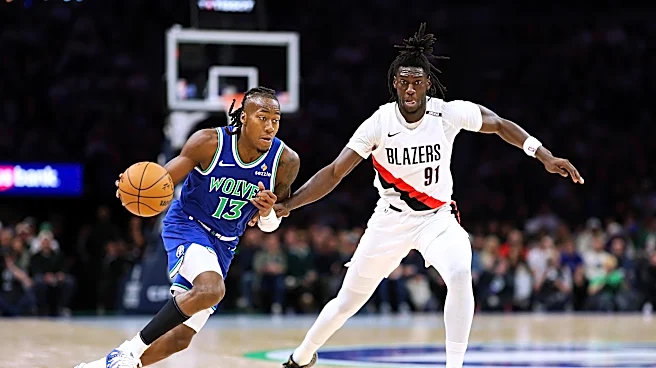
I feel like I’m channeling former Trail Blazers broadcast analyst Steve Jones when answering a question from Mike Barrett or Pat Lafferty when I chuckle and respond, “Yeah. They’re good!” The Blazers have lost to the Los Angeles Lakers, San Antonio Spurs, Minnesota Timberwolves, and Memphis Grizzlies. Three of those teams were expected to be Western Conference contenders prior to the season. The fourth, Memphis, was in the midst of a six-game win streak to start the season when they beat Portland and they’re still 11-4 now. Combined, those four teams have a 47-14 record. It’s the Western Conference. You’re going to lose games to teams like that.
Other than that, it’s too early to read too much into the losses. I do think the Blazers have a few weak points, though.
The Blazers are three-point dependent. They’re 5th in the NBA in number of three-pointers attempted per game, 2nd in three-pointers hit. That’s a huge strength when it works. Teams that can crowd Portland shooters take away a major plank of the offense.
As we’ve said a couple times before this year, opponents who can cover the lane with a single defender—either wings who can stay in front of penetration or a center who can occupy the lane and intimidate attempts—tend to do well against Portland. The offense isn’t skills-based as much as synergy-based. The Blazers don’t field a ton of amazing shooters. They thrive when they can get the ball in the middle, draw help from the defense, then kick out for a wide-open three that your grandma couldn’t miss. When they can’t clear a shooter—when all the defenders can stay home—those shots look much worse. Then it’s Damian Lillard trying to conjure his old mid-2010’s magic or Deni Avdija banging into defenders like a bowling ball trying to draw fouls on desperation lane shots. Credit to the stars, but that’s not the same offense at all.
A couple other things rear their heads from time to time. Portland’s defense is good on paper, but they fall prey to bad habits.
First, they often commit fouls. They rank 26th in the NBA in free throws. This pretty much squanders the Blazers’ own free throw advantage. Only three teams leaguewide draw more foul shots than Portland, but the Blazers score 22.5 points per game from the free throw line while giving away 22.6. All that hard work drawing fouls (thank you, Deni) becomes no advantage at all. Instead it becomes a life preserver, necessary to keep them from failing instead of a means of success. When the Blazers don’t generate free throws themselves, they sink quickly. Committing fouls is more of a sure thing for them than benefitting from them.
The second thing you’ve already mentioned: turnovers. Last year the Blazers ranked 30th in the league with a 16.3% turnovers-per-possession rate. That’s abysmal. This year they’re at 15.6%, which puts them at 19th. The ranking is much better! 11 spots higher! But the actual number is only 0.7% better. And it’s been sinking. At the start of the month, it was 14.6%, good for 10th in the NBA.
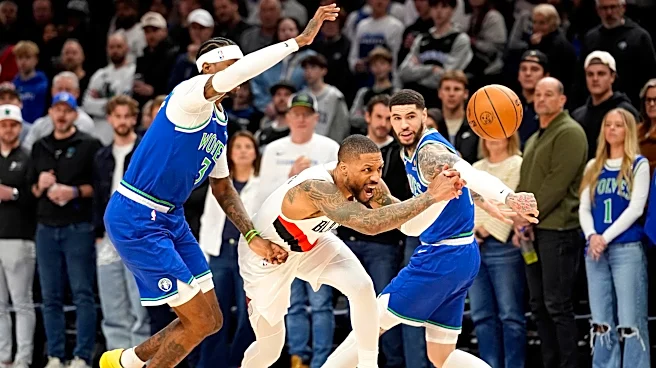
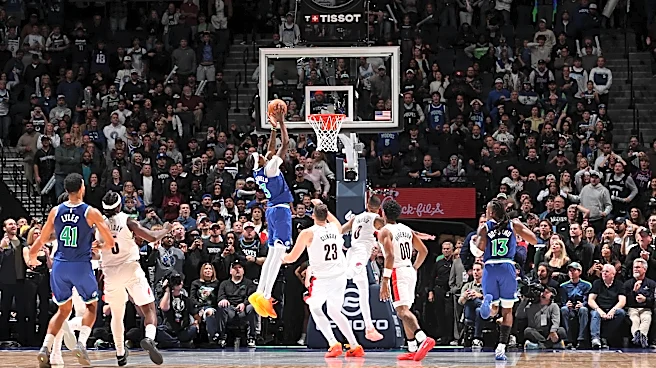
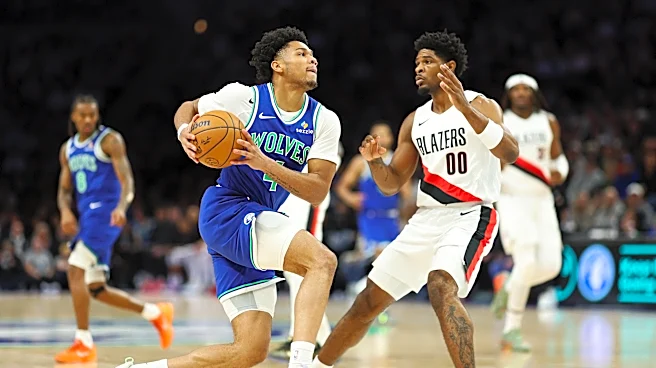
Committing turnovers dampens Portland’s offensive edge, the main factor in their current success. It deprives them of their own shots, often granting easy buckets to the opponent on the break. Example: In Monday night’s game versus the ‘Wolves, the Blazers committed 14 turnovers and Minnesota 13, a virtual tie. But Minnesota scored 22 points after turnovers and 18 total fast break points. The Blazers scored only 12 points after Timberwolves turnovers, 7 total points on the break. Those numbers are not the same.
Long story short, the Blazers need their defense to be successful but they can’t thrive with defense alone. They’re good, but not good enough. In fact, I’m guessing their defensive numbers will start to slip as the season goes on. Offense is still their calling card. Anything that blunts the effect the offense is going to have a disproportionate effect on them.
That’s my best shot at describing Portland’s kryptonite right now. What’s yours? Share in the comments below. And if you’d like to submit a Mailbag question, send it to blazersub@gmail.com and we’ll try to answer as many as possible.