


I became a Sunderland supporter in the early 1970s — although “became” probably isn’t the right word.
As a young lad in Hebburn, football wasn’t something you ‘chose’ in the modern sense. It was in the streets, in the schoolyard, in the voices coming through the kitchen wireless, in the conversations of men leaning on bar counters with rolled-up sleeves and pints of beer. Sunderland simply arrived in your bloodstream. And what an arrival it was.
The FA Cup final of 1973 gave us all something impossible
to believe in.
We were Second Division underdogs facing the mighty Leeds United, one of the finest sides in Europe. Yet there we were, watching Ian Porterfield score, watching Jim Montgomery somehow save twice in the same movement, and watching Sunderland lift the cup as if the world had briefly tilted on its axis.

At thirteen, you don’t understand history, economics or probability. You only know the feeling in your chest — and I remember thinking this was how life would always feel, but of course, it wasn’t.
Supporting Sunderland teaches you early that joy and suffering aren’t opposites but companions, and the years that followed became a long education in hope.
There were promotions that felt like rebirths and relegations that felt oddly inevitable. There were losses on horrible winter Tuesday nights, false dawns, heroic failures, and players who looked world class one week and completely lost the next. Other clubs accumulated trophies; Sunderland accumulated stories.
When I left Hebburn for London in 1983, I discovered that supporting Sunderland away from the North East became something different. It stopped being just football and became identity. In London, surrounded by supporters of some clubs who expected success as a birthright, Sunderland became my stubborn connection to home.
The accent softened over the years, but the football club kept something rooted in me. Results mattered, certainly, but so did hearing the old songs, recognising the humour, the fatalism, the refusal to give up. You could often tell fellow Sunderland supporters before they spoke. There was a look of cautious optimism forever shadowed by experience.
The strange thing is that distance intensifies loyalty.
Living away from home meant I followed every result obsessively. Before the internet, you searched for scores in teletext, waited for snippets on the radio, and scanned newspapers a day late. Victories felt precious because they arrived through effort; defeats lingered because there was nobody around to properly understand them.
Edinburgh became home in 1990, and Sunderland remained the constant thread running underneath everything else in life: jobs, family, ageing, all the years slipping quietly past.
The club changed divisions, owners, managers, colours of away strips, and even stadiums. From Roker Park to the Stadium of Light, from the roar of old terraces to modern football’s polished spectacle, Sunderland somehow remained gloriously, maddeningly Sunderland.

There have been moments that only fellow supporters truly understand.
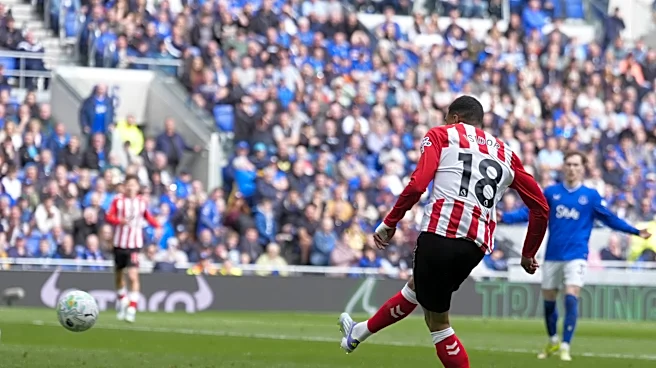
The 1998 playoff final defeat to Charlton felt less like a football match and more like emotional trauma. Niall Quinn and Kevin Phillips later gave us pride again; the Premier League years brought occasional exhilaration but mostly survival battles, and then came the collapses, the successive relegations, and the dark absurdity of watching the club unravel in public view and on Netflix while somehow still caring deeply every single week.
And somewhere along the line, the most important thing happened: my son became a Sunderland supporter too.
I sometimes wonder what exactly I passed on to him. Not glory, certainly. Not convenience. Supporting Sunderland is rarely easy and never fashionable. But perhaps that’s the point. There’s honesty in it, a kind of emotional inheritance.
You learn resilience and humour in defeat. Nowadays, we share matches, messages via WhatsApp, frustrations, impossible optimism. Sunderland became part of the language between us. I follow the club mostly through television and Haway the Podcast, hearing familiar voices dissect another draw, another promising youngster, and another manager who might finally get it right.
The details change but the feeling remains exactly the same as it was in 1973: the sense that next season could still be ours. People who support successful clubs often talk about trophies. Sunderland supporters talk about belonging.
And through all the lows and occasional highs, through Hebburn, London, Edinburgh, through decades of near-misses and recoveries, I realise Sunderland has never really just been my football club. It’s been the background music to my life.
And now, unexpectedly, after everything, there’s hope again. Not the reckless hope of youth, but something deeper and more satisfying – the kind earned through endurance. Four years ago, we were still stuck in League One, battered by years of drift and bad decisions, watching clubs with a fraction of our support and history pass us by.
There were moments then when Sunderland felt trapped in a cycle it could not escape. Yet even in those years, the support never truly fractured. Forty thousand people still turned up carrying memory, loyalty, and stubborn belief. Then, slowly, things began to change.
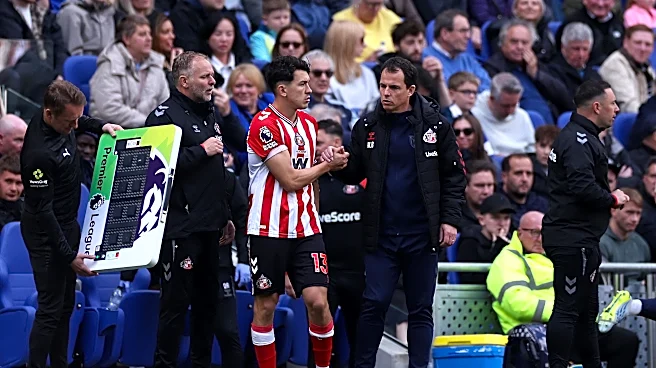
Promotion from League One felt less like triumph and more like release — a club finally drawing breath again. The Championship years that followed restored something that had been missing for a long time: pride, direction, identity. Young players emerged. The football became brave again. The club started looking forwards instead of backwards.
And then came Régis Le Bris.

Sunderland supporters have seen enough false dawns to distrust easy optimism, but this felt different almost immediately.
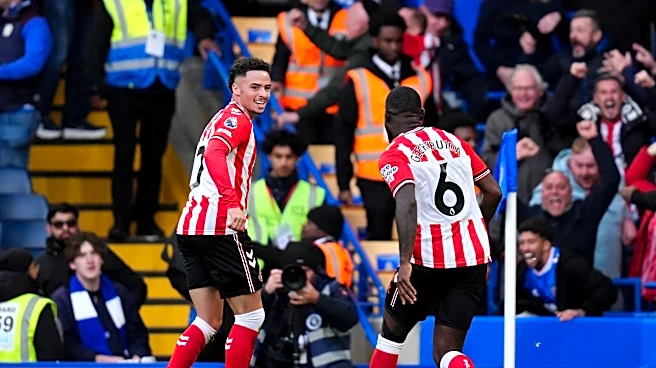
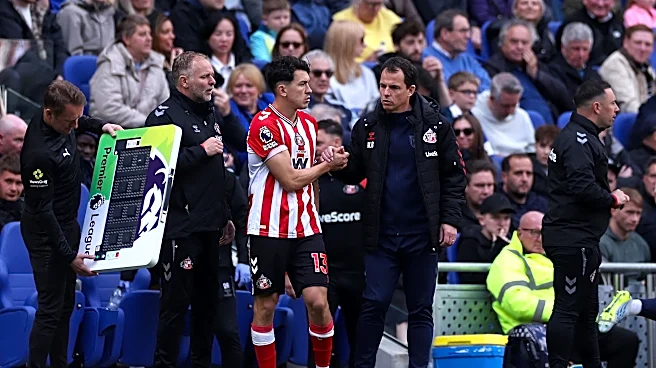
There was intelligence in the football, calmness in the club, and a sense that everyone was finally pulling in the same direction. Promotion back to the Premier League felt extraordinary not simply because of where and how we arrived (“Ballard….!”), but because of where we’d come from. League One to the top flight in such a short time — after all the chaos — felt almost impossible to comprehend.
And now, somehow, we speak about Europe. Even writing the words feels dangerous, as though Sunderland supporters are tempting fate merely by dreaming aloud. But that is football. Hope always returns eventually, no matter how often experience tells you to guard against it.
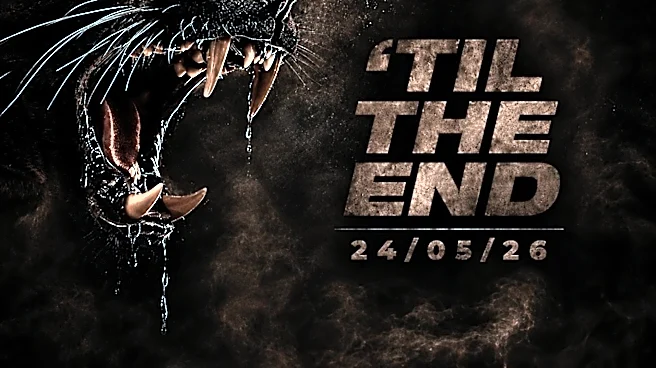
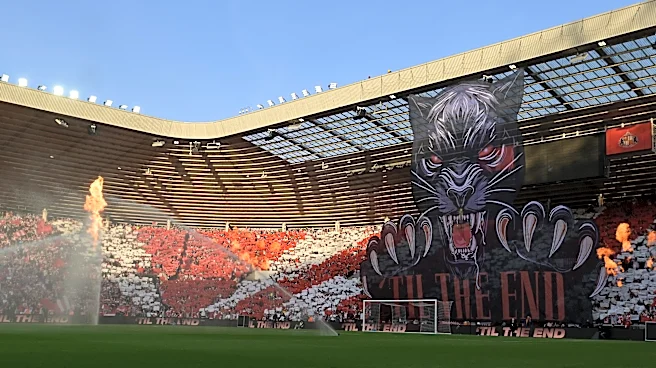
Perhaps that’s why ‘Til The End means so much to Sunderland supporters. It’s more than a chant or a slogan — it’s a statement of identity.
Through relegations, defeats, ownership disasters, long journeys home and years where hope felt threadbare, the support endured. ‘Til the end. Not because it’s been easy, but precisely because it hasn’t.
And after all these years — from watching the 1973 FA Cup Final in Hebburn to today —- perhaps that’s the real reward: to still care this much, to still believe, and to still feel that familiar lift in the chest when Sunderland walk out onto the pitch. My son and I are going to the match on Sunday with so much hope in our hearts!