



With a new coach, a new guard corps, and a new set of goals in place, the 2026-27 season should be a year of evolution for the Portland Trail Blazers. That will include plenty of wrinkles in the offense. The Blazers produced the 17th-most points and 29th-worst field goal percentage in the NBA last season. They need a little offensive help.
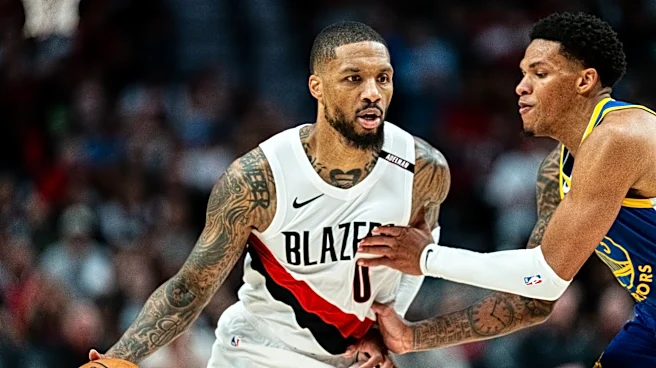
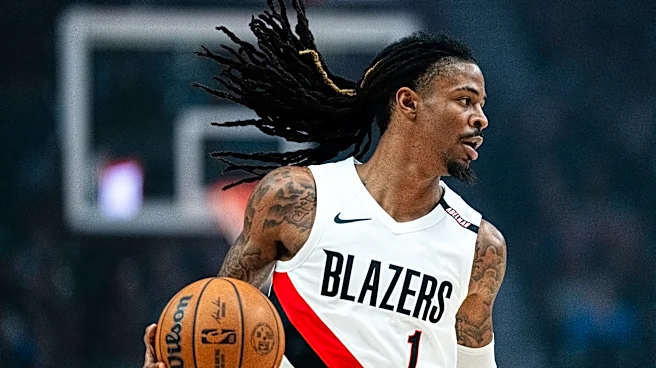
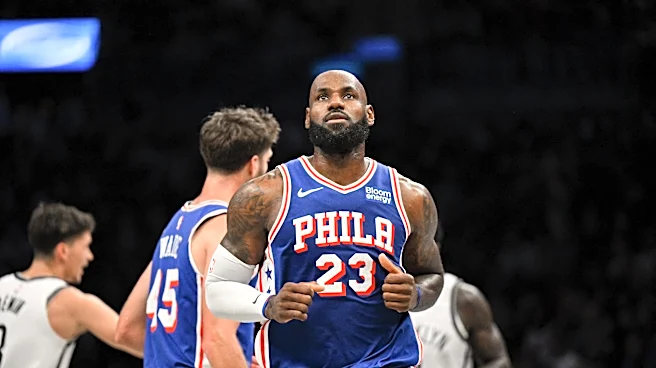
Adding Ja Morant and Damian Lillard to the mix may solve some of Portland’s problems for them. Just waving names in front of a scorecard doesn’t bring improvement.
But the Blazers appear to have a secret plan to boost scoring, or at least make it a little easier, beyond the obvious “Play Fast and Make More Threes” approach you’d expect.
It’s called the lob.
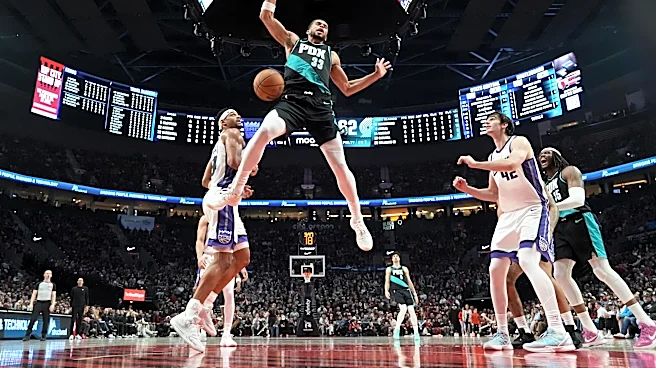
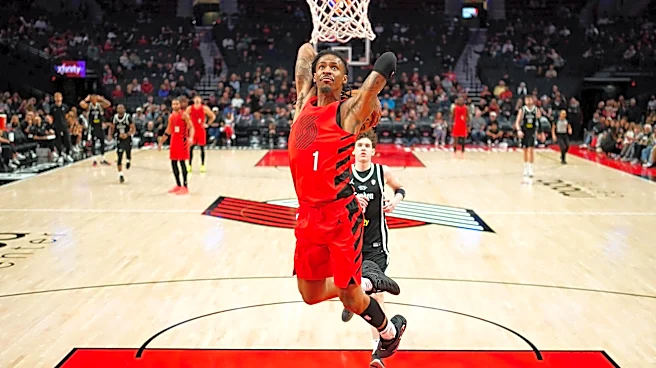
If you’ve watched Portland’s preseason games, you’ve probably noticed a couple things. First, guards are diving towards the basket with the ball. That’s to be expected. Second, when the team does set screens or run action up top, they’re not setting up a straight-away jumper or even quick penetration. That’s a slightly different wrinkle. Also, when the ball goes to the side of the court, it’s not an automatic three attempt. That’s a small change too. Instead off-ball players are heading to the rim, looking for the catch-and-dunk. This is one of the ways in which the Blazers will try to keep scoring easy and multiple players involved in it this year.
The classic lob play has fallen out of favor in recent years for a couple of reasons. First, defenses are fast and hyper-aware. They usually shut down the interior of the floor first, making dunks in the halfcourt difficult. Second, the lob play requires a pass, often into traffic. That’s just begging for a turnover, anathema to modern, efficiency-based offenses. Third, off-ball players come in two stripes nowadays: distance shooters and non-factors. Multi-tool offensive centers are rare. You can name all of the great ones in the league right now without thinking. Power forwards who go down low are even rarer. They’re all lithe floor-stretchers now.
But credit Portland’s coaching staff. It just might be the time (and the roster) to bring the old lob back. Consider:
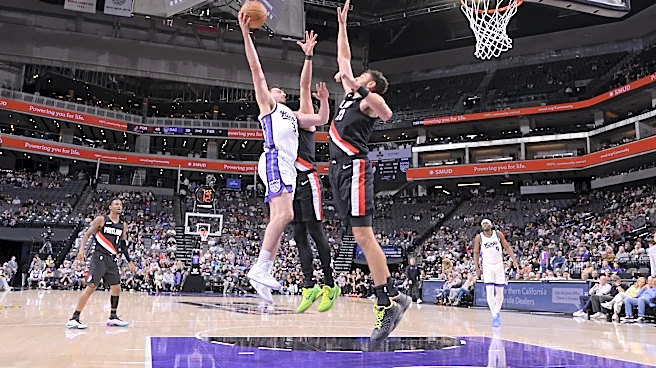
- The speed of modern defenses can be used against them. Players chasing out threes on the perimeter are leaving the interior open, due to that pesky Einstein-physics rule about matter not being in two places at once. The NBA hasn’t invented the quantum defender yet, so the middle is wider open than before.
- Interior defenders are either fast—and thus likely to be running at screens or closing out on those threes—or they’re huge and far less mobile. Either way, at least one side of the rim should be free from their clutches.
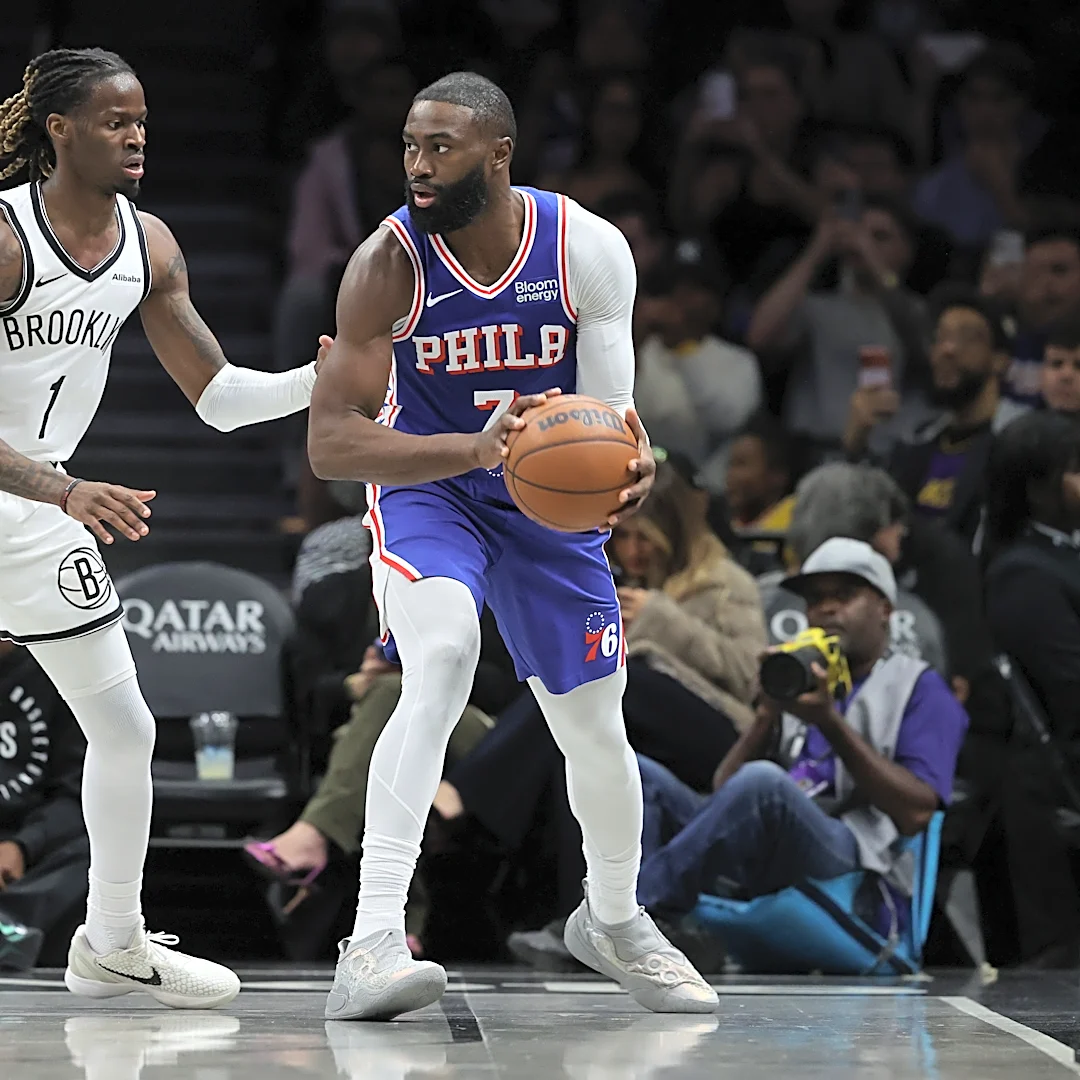
- Portland’s players are well-suited for the action. Ja Morant can pass or receive on lob plays. To a lesser extent, so can Deni Avdija. Jrue Holiday is capable of delivering the pass. Donovan Clingan needs to catch and score quickly to be efficient; the play suits him well. It’s even better for Robert Williams III. Toumani Camara or Scoot Henderson coming from the side to receive passes is not out of the question either. The only fly in the ointment here is Damian Lillard. He’s not a lob guy. But most of the roster can play along.
The lob play isn’t just decoration either. It might not result in more than a handful of points, as it’s hard to pull off successfully. But it has a number of benefits.
- It’s a quick-hitting play, scoring without time running off the clock. The shot is high-percentage too.
- It fosters teamwork. Players are conditioned to look for each other, seeing opportunities on the floor. Even if a lob pass isn’t practical, heads are up and the culture of passing is set.
- In that same vein, it keeps the lesser-scorers in the lineup—the guys you depend on for little things like defense, rebounding, and transition play—involved and valued.
- It keeps defenses honest. Modern defenders may be fast enough to cover the arc and the lane, but having to watch both for 48 minutes will tire out anybody. A few lobs in the first half might result in slightly more open threes in the second half. Plus, keeping defenders guessing about inside or out unbalances the defense. Guard penetration happens predictably, along a straight line that everyone can see and adjust to. The ball stays in the same player’s hands, on the same side of the court. People don’t have to move. But a pass to a cutter at a good angle causes the whole defense to question, then switch around. Everybody is more open when this happens.
- If lobs get shut down, it’s usually because of a cluster of defenders preventing the easy look. That leaves other players open for the lob recipient to pass to, compounding the problem.
It’s unlikely that the 2026-27 Blazers will become the Chris Paul-Blake Griffin Clippers from the mid-2010’s. But a little bit of lobbing could be the Ghost Pepper powder that spices up the offensive burger enough to keep things interesting. Let’s see if the Blazers can pull off this maneuver when the regular season opens. If so, you’re not just going to have highlight reels to share with your friends. You’re going to see more players with more open opportunities all across the court to (hopefully, cross fingers) take advantage of.