


Sixteen years separate Spain’s two world titles, and Barcelona sit at the centre of both. The obvious conclusion is that history simply repeated itself. That reading misses the more interesting story.
In Johannesburg, Barça supplied the finished product: a team that had already conquered Europe and simply carried its game into a Spain shirt. At MetLife, the club supplied something different, a generation still being built. That difference matters for what comes next at the club.
Soccer City 2010: A Club Team In Red

The 2010 final was
played at Soccer City in Johannesburg in front of 84,490 people. Andrés Iniesta settled it in the 116th minute, and the official count from FC Barcelona is that eight of its players were part of that squad, with David Villa already agreed to join from Valencia.
Six Barça players started the final: Piqué, Puyol, Busquets, Xavi, Iniesta and Pedro. Their average age was 25.7, and most were at their peak. Xavi was 30, Puyol 32, and both had just won the treble with Guardiola a year earlier.
That tournament also left a mark on the host country. The first World Cup on African soil reshaped how football is followed across South African sports, and Soccer City became the stage for Spain’s breakthrough. For Barça fans, Johannesburg is where tiki-taka stopped being a club idea and became a national identity.
MetLife 2026: Same Club, Different Role

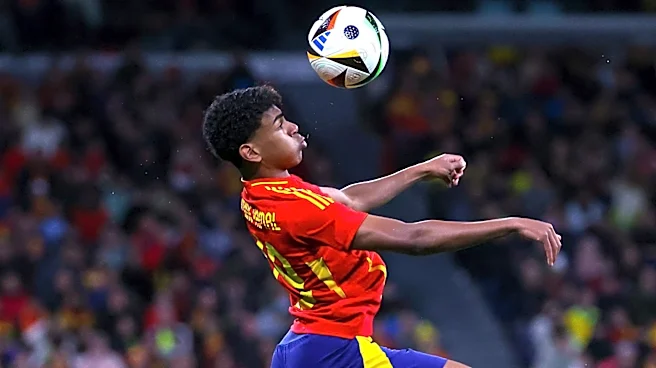
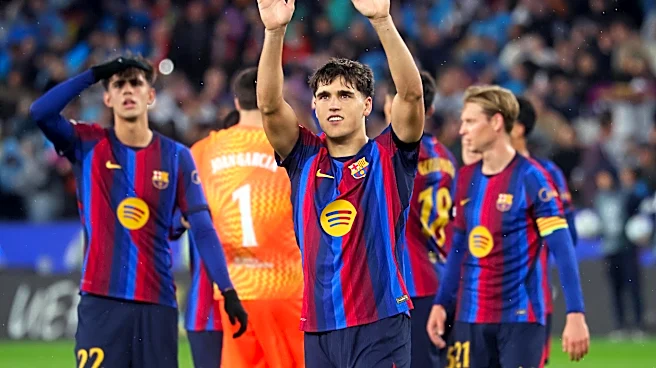
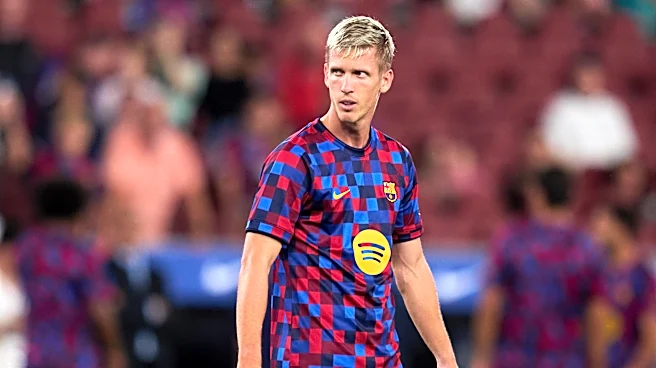
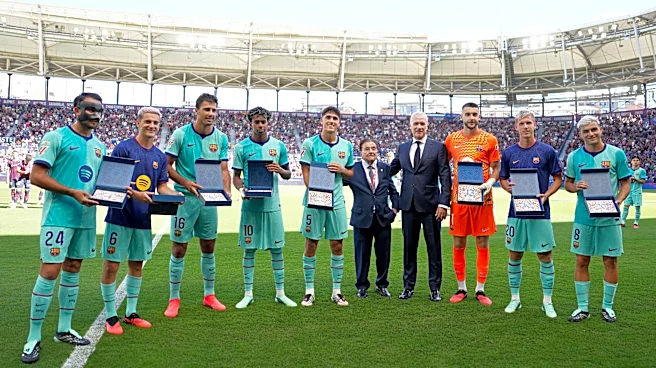
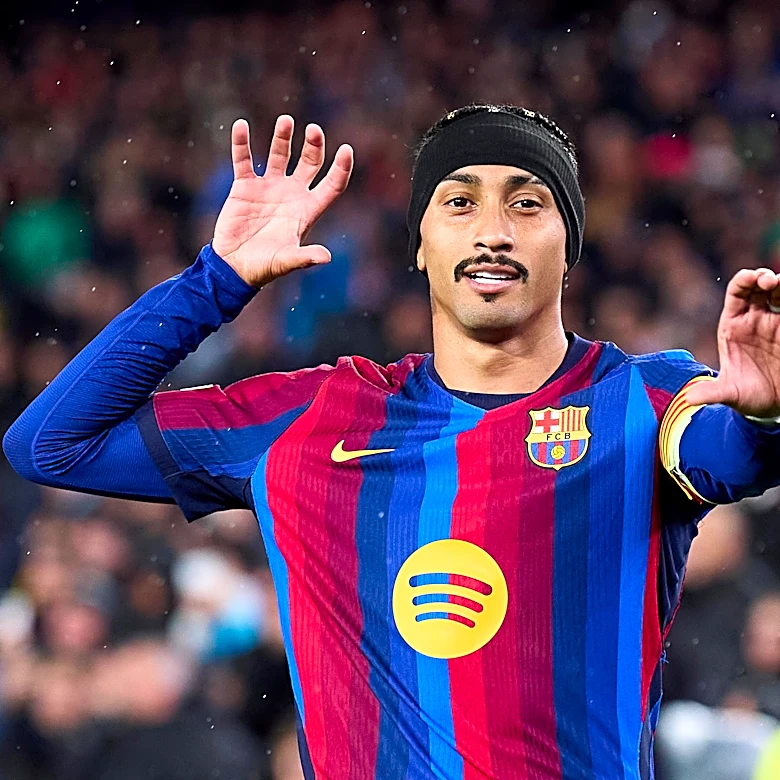
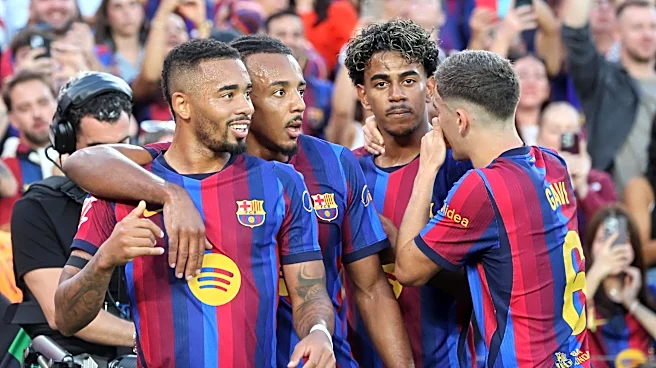
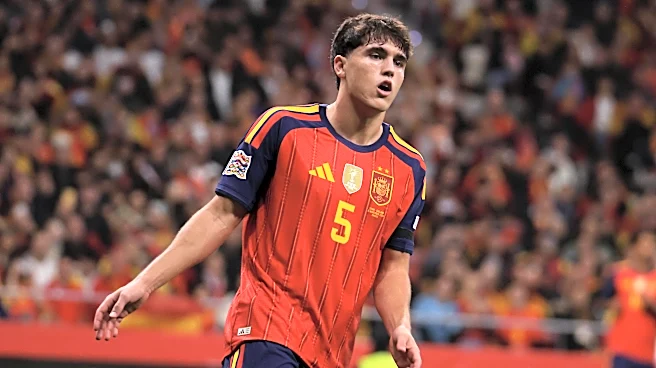
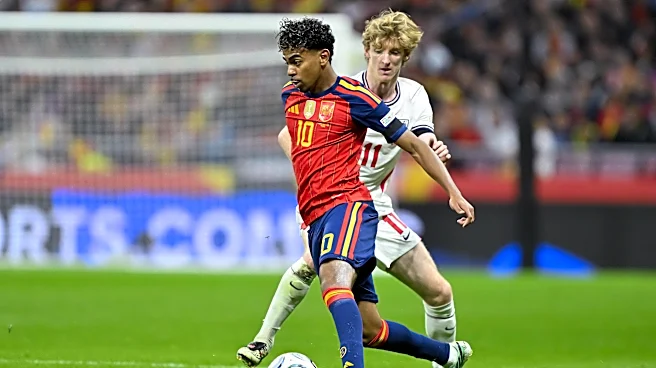
Barcelona again led every club with eight players in the 26-man squad. Yet only three of them started the final against Argentina: Pau Cubarsí, Dani Olmo and Lamine Yamal. Three more came off the bench, and the bench decided it.
Ferran Torres replaced Mikel Oyarzabal on 62 minutes and scored the only goal in the 106th, from Nico Williams’ header down. Pedri came on at the same time, and Eric García entered in extra time. Gavi and Joan García stayed unused.
The 2026 numbers from the final show how complete the control was. Spain had 65.1% of the ball, completed 763 of 853 passes and allowed Argentina just two shots, none on target, according to ESPN’s match data.
Why The 2026 Core Is The Bigger Story

The 2010 group won because it was already the best club side on the planet. Del Bosque inherited a system and needed only to protect it. The 2026 group won while still growing into its roles, and that makes the achievement harder to read but more promising.
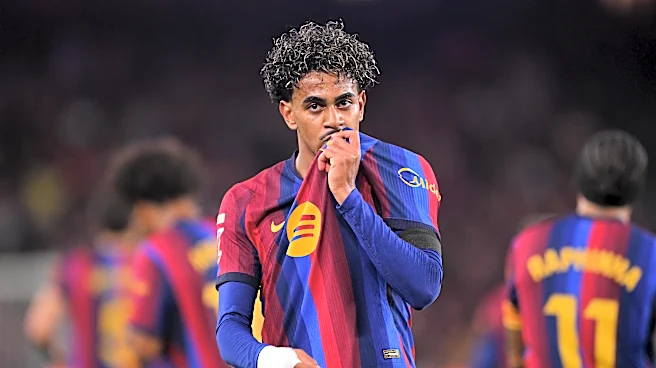
Two teenagers stood out in the biggest match of their lives. Cubarsí, 19, held the back line for 120 minutes, and Yamal, also 19, became the younger half of a record: the first World Cup final with opposing starters born more than 20 years apart, Messi and Yamal.
There is a fair case that 2010 was the better team. Six starters drilled by the same coach rarely lose their shape, and that Spain conceded only twice in seven matches. But a core peaking at 26 to 32 has a short window. A core starting the final at an average of 22 has years left in it.
The structural lesson is the same in both tournaments. Spain’s control in each final came from players shaped by Barcelona’s way of keeping the ball, several of them products of La Masia. What changed is the pathway: in 2010 those players arrived as finished stars, while in 2026 the club is still shaping them week to week.
The World Champions’ Effect On This Season
The early evidence says the summer did not drain this group. Through 12 La Liga matches, Barça have 33 points from 11 wins and one defeat, with 48 goals scored and 13 conceded. That is four goals per game, the best attack in Spain by 17 goals.
Yamal’s 18 goal involvements share the league lead with Raphinha, and his performance in the 2-1 win at Atlético on November 8 underlined it. He created seven chances that night, the first Barça player to do so in a league game against Atlético since Xavi in 2008. The link to the 2010 generation is hard to miss.
The squad’s depth also mirrors what happened at MetLife. Fermín López scored both goals at the Metropolitano, and the attack is not leaning on one name. Real Madrid, by contrast, depend heavily on Kylian Mbappé’s 13 league goals.
Verdict: 2010 Was A Peak, 2026 Is A Starting Point

Judged as a single tournament, the 2010 Barça core still has the stronger claim. It started the final, scored the winner and turned a club style into a world title.
Judged as a foundation, 2026 wins comfortably. Four of the six Barça players used at MetLife were 25 or younger, and the club is already turning that experience into league form. The return from the international break, starting with Villarreal on November 22, is the next test of whether world champions can keep playing like a club side that is still hungry.