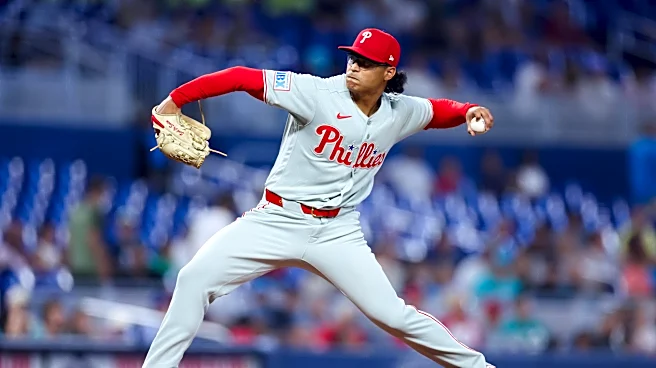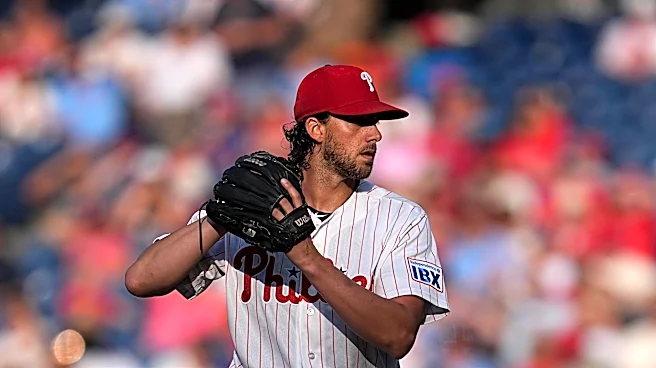

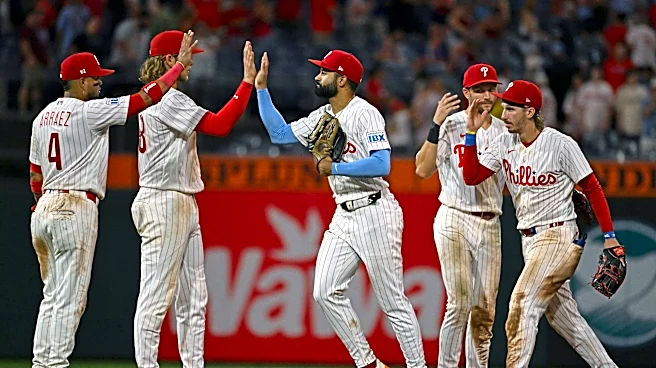
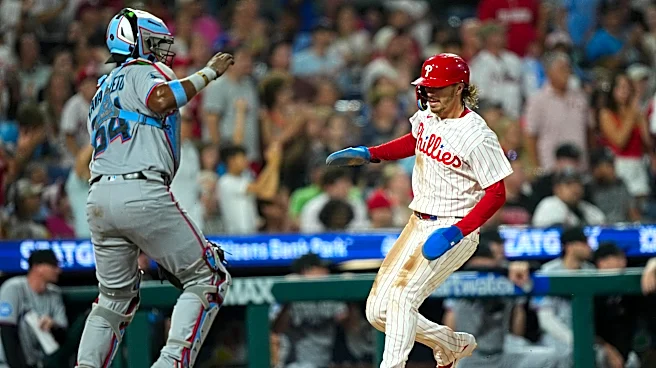
After seven innings of one-run ball against the Marlins on Wednesday night, Aaron Nola’s month of August has been a return to normal for the veteran right-hander. Across four starts and 23 innings of work, Nola has a 2.74 ERA with 30 strikeouts to just seven walks. Really good results from anyone but especially a pitcher that seemed like an automatic loss roughly six weeks ago.
It is not all perfect, some of the results are a bit smoke and mirrors. He has a 100% strand rate this month, which isn’t
sustainable and hitters are pulling the ball a lot more, which could be scary. Nola has not exactly returned to his prime years, but it’s the kind of hot stretch of pitching that seemed hard to imagine given the last two seasons.
Even if we make the safe assumption that Nola will not maintain a sub-three ERA moving forward, there are still plenty of positive takeaways to have moving forward.
Lefties
Nola’s struggles against left-handed hitters have been well documented all year. He came into August allowing a .528 slug to lefties because he allowed 16 home runs against them and plenty of more damage. Another troubling issue was his walk rate spiking to 11.2%. It was a combination of getting crushed whenever he attacked them in the zone but doing his best not to go after them consistently. Probably the worst combination of the two.
In August, lefties are hitting just .207 with a .310 slugging against him. The walk rate has dropped down to 6.5% but the biggest improvement has to be in his strikeout rate, up to 32.3% along with better quality of contact.
Whats the reason? Some of it is probably to do with the opponents he’s faced. His four starts have come against the Washington Nationals, Toronto Blue Jays, Minnesota Twins, and Miami Marlins.
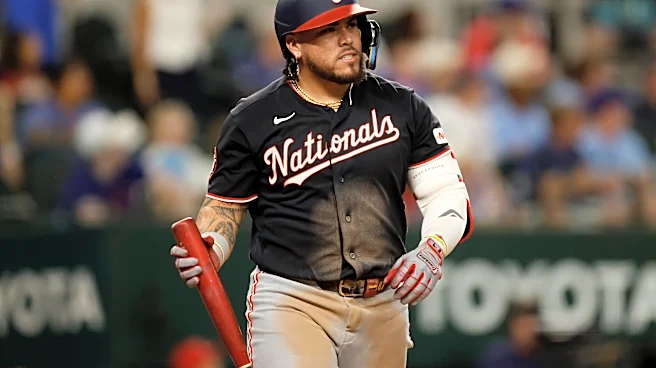
The Nationals threw several left-handed and switch hitters against him, including James Wood and CJ Abrams. There is no handwaving there but that also happened to be his worst start during this stretch, even if it was still solid. The Blue Jays and Twins rank in the bottom six in wRC+ for left-handed hitters, so they were good matchups on paper for Nola.
As for the Marlins, Liam Hicks was traded to the Rays at the deadline and Kyle Stowers is on the injured list. Strength of schedule is certainly a big factor but it does not tell the full story.
The biggest difference has to be in Nola’s slight velocity jump, going from 92.2 mph over the first four months to 92.7 in August. It is still allowing a .571 slugging on his four-seam to lefties but it is far better than before, a .750 slug from southpaws over the prior four months.
Being able to trust it in the zone just a bit more has allowed him to throw more strikes and walk fewer hitters. His curveball is also playing better against them because of it, with a 41% whiff rate against southpaws this month.
Righties
There have been some experiments all year with how Nola is attacking right handed hitters. He began the year leaning on a three-fastball approach with fewer curveballs. It didn’t work. He then nearly abandoned the cutter entirely in May. It still wasn’t working.
He then went into a full platoon pitching plan, leaning heavily on the sinker and curveball. That didn’t work either.
Since the start of July, Nola started to reintroduce the changeup to right-handed hitters to help protect the fastball but August feels like the month where the mix has fully come together. He is spamming the curveball 38.4% of the time, leaning just enough into the sinker and cutter, keeping the changeup usage around 12-13%, and throwing enough fastballs to keep hitters honest but not enough to get crushed.
It’s probably the best balance of all the different ideas Nola has tried this year. He tried a slider phase but it’s gone and he doesn’t really need it when he already can throw five different pitches to them.
What to think:
Well, no one should tell you what to think but if you want an opinion… (I’m done with dad jokes now).
It is unreasonable to expect Nola to keep up this exact pace but there is no reason to think Nola is cooked. It took a lot of different things and conclusions, and sometimes just throwing harder but he has found the proper adjustments that should keep him viable.
Projecting beyond 2026 is hard to do. He just turned 33 years old and the difference between the 6+ ERA pitcher he was to begin this season and what he is now is slightly different but not enough to forget the recent past. If he comes into next season throwing 91 and cannot reach for any more at that point, everything that was said here probably doesn’t matter.
But, at least for the rest of this season, Aaron Nola is good enough to be the number four starter in a postseason game and face roughly 18 hitters. He was not that guy a month ago.