

Pinstripe Alley readers are well accustomed to our traditional end-of-month check-ins around the other five divisions. With that in mind, we’ve decided to take this opportunity in early May to cover one specific aspect that stands out about the journeys of the Yankees’ adversaries in the AL East. It’s been a weird start to the season, with the Rays currently standing out as the second force in this division and a couple other storylines that few people saw coming: manager Alex Cora getting the axe
in Boston, and the Blue Jays failing to capitalize on last postseason’s momentum.
Tampa Bay Rays: A different kind of rotation—one that still figures out a way to succeed
The Rays couldn’t make Shane Baz and Taj Bradley work last year, and to be frank, they couldn’t make those two work throughout their whole tenure with the club. Shane McClanahan is back, but he doesn’t have the same zip on the fastball as he once did, although it is still effective. In the end, almost independently of who they throw out there, the Rays seem capable of securing good numbers as a staff, which is the primary reason for this 20-12 record to open the year.
Drew Rasmussen has proven himself a terrific, All-Star-caliber starter when healthy, and he headlines this rotation, but seeing two veteran innings eaters in Nick Martínez and Steven Matz feels almost too traditional for Tampa. The skepticism about just how much we can expect from these pitchers is part of why there isn’t a large concern about the Rays’ record, particularly with the news that Ryan Pepiot is out for the year. Still, they’re probably going to be a feisty bunch, as the Yankees saw themselves in the first series between these two in 2026.
Toronto Blue Jays: Missing Bo Bichette and likewise on the other side
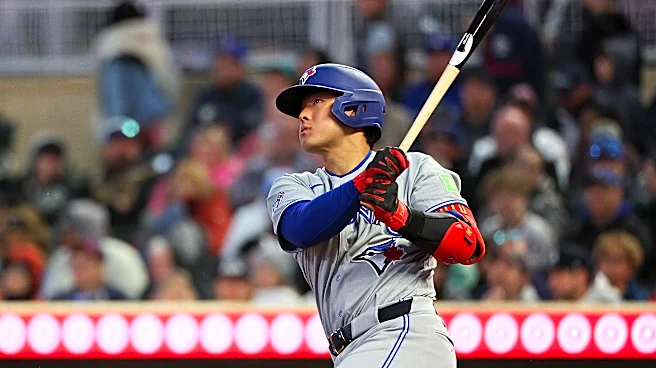
The Blue Jays got about as close as a team could get to winning the whole thing without actually doing it, and right in the middle of it all was free agent-to-be Bo Bichette. It’s difficult to blame the Jays for not matching the Mets’ offer for Bo Bichette, but it’s also undeniable that both parties are missing each other early on in 2026. Bo is off to a lousy start, having moved to third base for a New York Mets team with a shuffled infield and a last-place record. The Jays haven’t had a single impact bat outside of Vladimir Guerrero Jr. Sure, newcomer Kazuma Okamoto has flashed here and there, but this is an offense that clearly lacks depth. With Dylan Cease in tow, the rotation seemed at least somewhat better equipped to withstand the early absence of Trey Yesavage, who has now returned.
Ernie Clement is doing his best to provide some stable production out of the second base spot as Andrés Giménez takes his defensive prowess to short, but particularly with George Springer yet to get going in 2026, Vladdy is close to a one-man show—not the ideal scenario for a team with such lofty expectations.
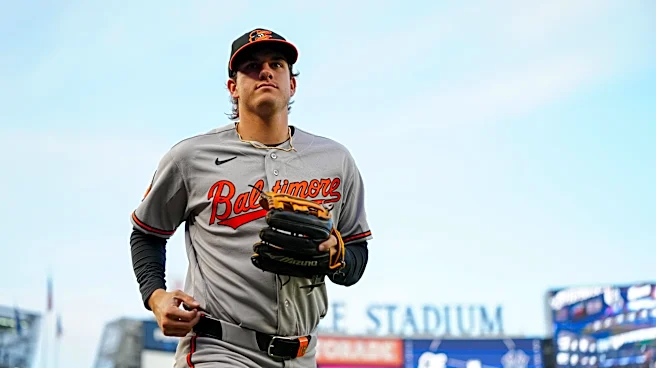
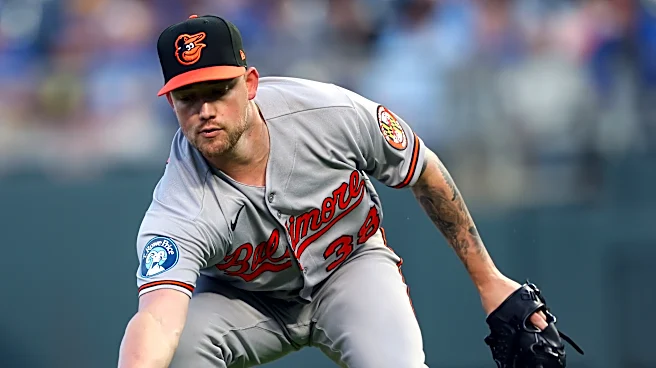
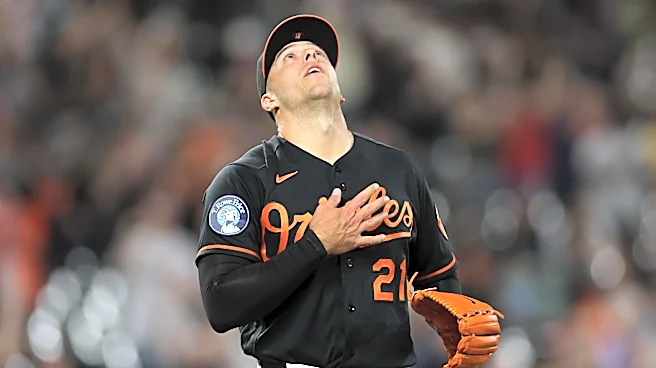
Baltimore Orioles: “Thank goodness we traded for Taylor Ward.”
Once upon a time, not very long ago, Grayson Rodriguez was touted as one of the next big things in the American League, the ace who was supposed to lead this young Orioles team. Well, a plethora of injuries and inconsistencies along the way prevented Rodriguez from fulfilling the promise, and already with his value severely diminished this offseason, the O’s opted to move him to the Angels for Taylor Ward—it was a rare one-for-one trade of established big leaguers.
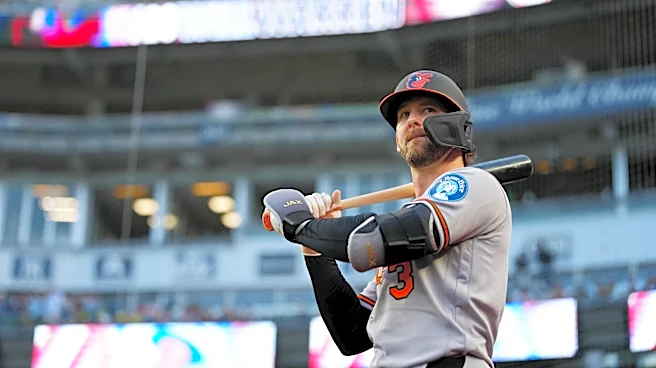
As things currently stand, the Orioles are a team with league-average production offensively and on the mound. A primary reason the former is true rather than something far worse is Ward’s value, who’s been far and away the best Orioles hitter in 2026, particularly with Gunnar Henderson off to a meandering start.
The Orioles, more than most teams, have suffered in recent years with underwhelming production from potentially valuable players. Samuel Basallo, Colton Cowser, Jordan Westburg, Coby Mayo, and Dylan Beavers come to mind as hitters who could become terrific big leaguers but have yet to truly cement their place as reliable contributors—whether due to injury issues, inconsistencies, or even lack of opportunities. With Ward, the Orioles knew what they were getting, and considering Rodriguez has yet to throw a pitch in 2026, one could say Baltimore made out well—even if Ward naturally takes a step back from the AL-leading 13 doubles he’s provided so far in what could be the pending free agent’s only season in the Charm City.
Boston Red Sox: Reevaluating front office decisions
Things are not always in your control. Something may happen to a team, and they’re just not in a position to do anything about it … but it’s possible to respond to setbacks in a positive way. Working under the assumption that the Red Sox simply had to move Devers—and that’s very much up to what you think about owner John Henry—they managed to do it in a way that netted them nothing other than the financial room to reinvest* the money he was making.
*It certainly wasn’t reinvested in his replacement Alex Bregman, who opted out after 2025 and walked in free agency.
The issue right now isn’t so much the absence of Devers, who has scuffled to a 55 OPS+ start in San Francisco this year. James Tibbs III and Kyle Harrison are the two players involved in the Devers deal whose value has skyrocketed since then. It’s just unfortunate for Boston that this happened after the Red Sox flipped both them to the Brewers and Dodgers in deals that haven’t panned out.
Caleb Durbin was acquired from the Brewers for Harrison alongside other players, and he’s been the main third baseman for Boston in 2026 with terrible results. At his best, Durbin can deliver the league-average line he did for Milwaukee in 2025, but even those numbers might not be worth the Harrison loss if the southpaw can capitalize on the early-season form he has shown since moving to Milwaukee. Tibbs III is raking in the Dodgers Triple-A team after Boston flipped him for Dustin May in last year’s deadline, a free-agent-to-be who was terrible for them.