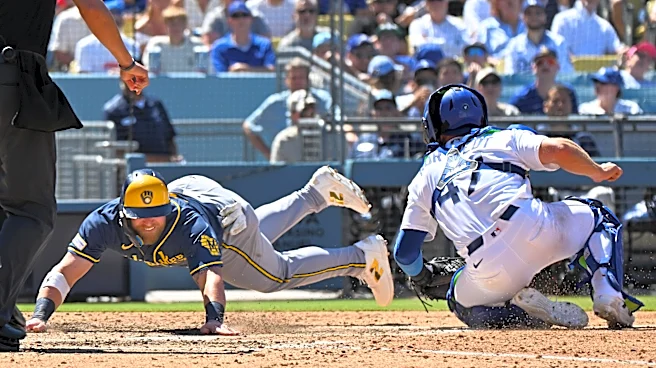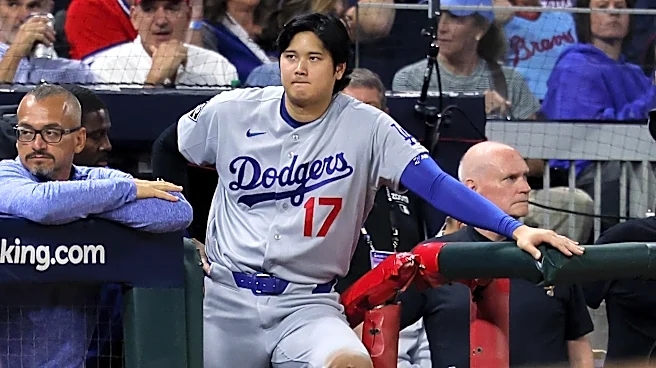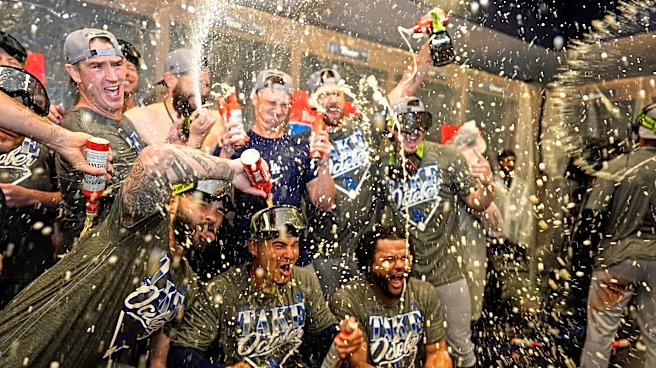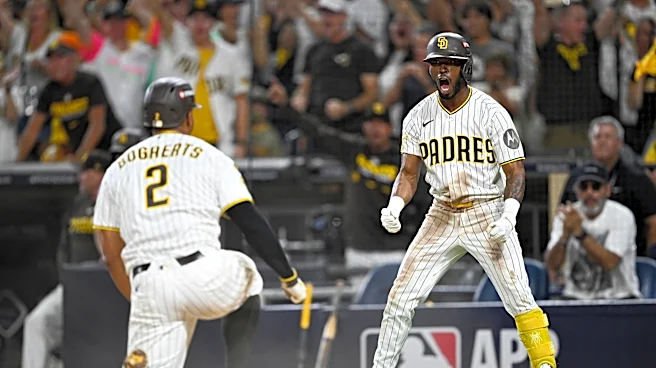




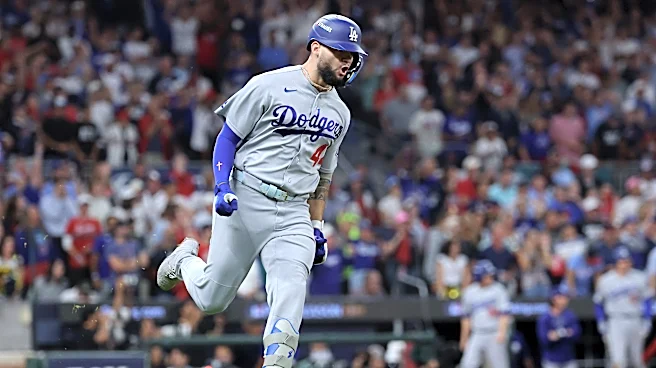
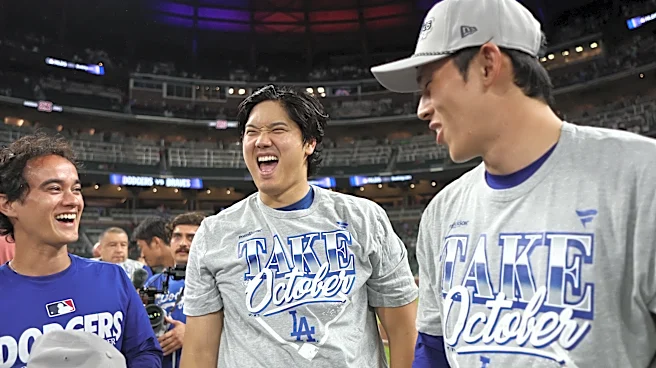
There’s a school of thought which suggests that the Diamondbacks “broke” the Dodgers, by beating them in the 2023 National League Division Series. Not just by the defeat, but by the manner of it. It was a sweep, with Arizona outscoring Los Angeles 19-6, never trailing in any game at any point, and leading by two runs or more, at the end of 25 of the 27 innings played. That winter, the Dodgers engaged beast mode, giving contracts worth over a billion dollars in total to Shohei Ohtani and Yoshinobu
Yamamoto alone, and haven’t stopped spending since. Including a staggering $183 million in luxury tax penalties – more than a dozen teams paid in payroll – their 2026 salary bill was over $616 million.
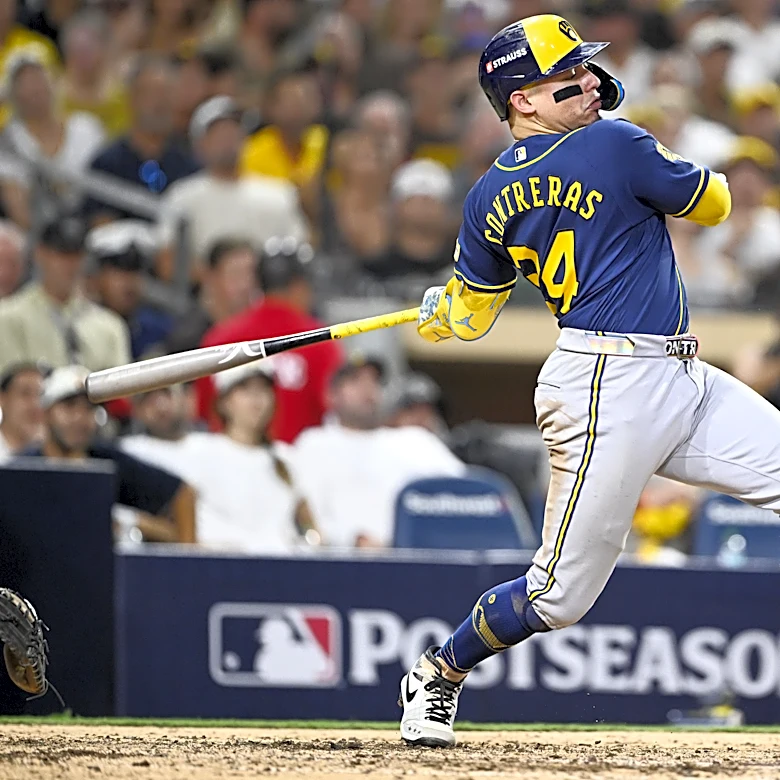
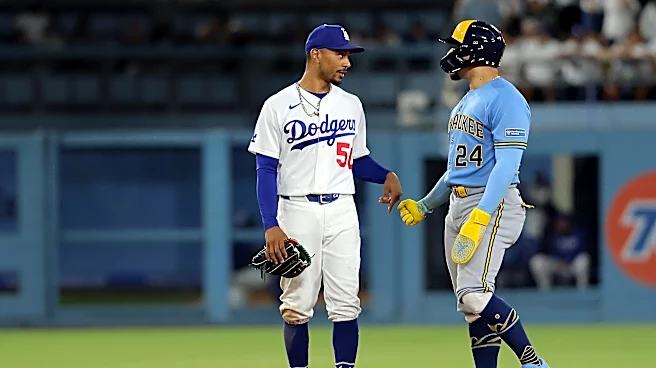
I can’t argue they have not spent effectively, winning three division titles, and averaging 97 wins. But it has been in the post-season where their dominance has become near-total. Remember, in the playoffs, you’re facing the best teams the rest of baseball has to offer. But since the Diamondbacks gave them the bum’s rush out of the 2023 post-season, the Dodgers have won eight consecutive playoff series, and are 27-10, a .730 win percentage. Again, this is not facing the Colorado Rockies, but other division winners and wild-card teams. If the Brewers or (probably) Rays can’t stop them, they’ll become the first team to three-peat since 2000.
Under normal circumstances, I would be cheering wholeheartedly for their opponents, as has been the case in the last two seasons. #TeamAnyoneButLA. But this year, there’s a concern that might over-ride this. Specifically, that if anyone except the Los Angeles Dodgers wins the World Series – especially a relatively small-market team like the Brewers or the Rays – it might mute demands for a salary cap in the upcoming CBA negotiations. That’s something I feel is essential to the basic survival of major-league baseball, in terms of competitive balance. But a Rays/Brewers victory could potentially be used by the players as proof everything is fine. “See? You can’t buy success!”
It’s not really the case. The problem has never been the post-season, where randomness plays a significant factor. Let’s be honest. The 2023 Diamondbacks who won 83 games were not a “better” team, by any objective measure, than the 92-win Brewers, 100-win Dodgers or 90-win Phillies. But Arizona went 9-3 against that trio, including 6-2 on the road, on their way to the World Series. This is baseball. Get “hot” at the right time, and who knows what can happen. The issue is the regular season. The NL West has turned into six months of grinding and irrelevant tedium, a procession where non-Dodger fans look at the Central and East standings more than their own division.
This predates the 2023 NLDS. The Dodgers have taken 13 of the last 14 division titles – and won 106 games the sole season they didn’t come first. It’s only when you look at the standings since 2013, that the degree of Los Angeles’s domination becomes clear. Over the roughly 13 1/3 seasons in that time (2020 being the one-third), they have won over a hundred games more than any other team. Not “any other NL West team”, any other team. The second-placed Yankees are closer to the tenth-placed Cubs, than they are to the Dodgers. Here’s the average standings in the NL West, from 2013-2026.
- Los Angeles Dodgers: 99-63
- San Francisco Giants: 80-82
- San Diego Padres: 80-82
- Arizona Diamondbacks: 78-84
- Colorado Rockies: 69-93
Over a fourteen-year period – bold font, please – the Dodgers have averaged 99 wins per season, while every other team in the division is below .500. Their win percentage of .610 over that time is the best in the integrated era. To find anything higher, you need to go back to the 1947-1960 Yankees, who had a .622 win percentage in the regular season, and won eight World Series during that span, including five in a row. In other words, the Dodgers under their current ownership are the most powerful major-league team in over sixty years. Arguably more: that Yankees dynasty failed to win their division twice, in 1954 and 1959; the Dodgers only once.
That’s what “competitive balance” looks like, according to the players’ union. The Brewers winning the World Series is not going to change this, or the fact that the Dodgers’ current television deal alone [$8.35 billion over 25 years, an AAV of $334 million] is worth more, according to Forbes, than every revenue stream the D-backs possess. The LA Times reports, “By the time the deal ends in 2038, the Dodgers will be getting more than $500 million per year” – and making things worse, it’s largely exempt from revenue sharing.
It’s simply impossible for anyone else in the NL West to compete under the current system, A third consecutive Dodgers’ World Series win would underscore this, and hopefully make it almost impossible for any eventual agreement between the owners and players not to include a salary cap (and floor, of course). Would LA coming up short make a difference? Hard to say. ESPN recently had an interesting article looking at this very topic, asking executives and players what impact (if any) the results of the World Series would have on negotiations. The general opinion: a three-peat for LA would entrench positions. To quote an NL player:
It’ll be bad. The league is going to dig in a lot more. And we know the union isn’t going to go for a cap, so it’s going to get really bad. Nobody wants to see the Dodgers win. No owner does. None of the fans do. But I think it’s going to make this all worse.
Conversely, an NL executive said, “A small-market club [with a strong front office] winning the World Series going into an adversarial offseason would likely allow players to make the argument that the game is in a healthy place from a parity standpoint.” Personally, I’ve already reached acceptance that, if it’s necessary for us to lose games next year – or even the entire season – in order to get significant change, then so be it. It’s a price I’m willing to pay. I’m beginning to feel that, if the Dodgers winning the World Series helps achieve the necessary change, then I might be forced to suck it up, hold my nose and – in a thoroughly non-political sense – “Vote blue, no matter who.”