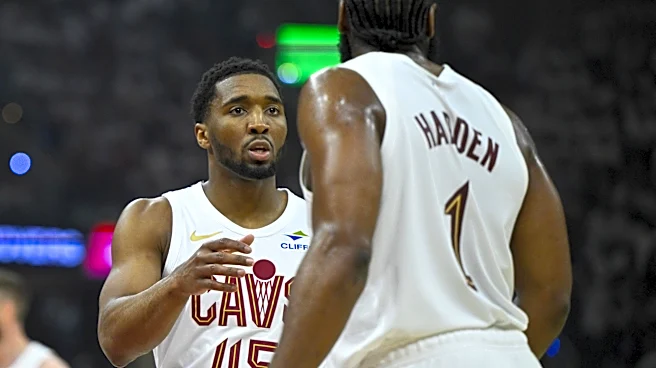




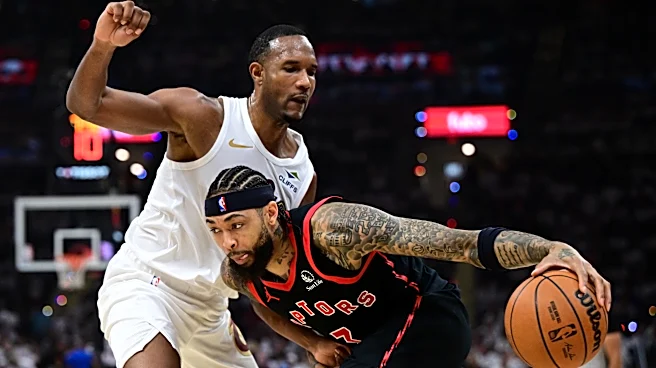
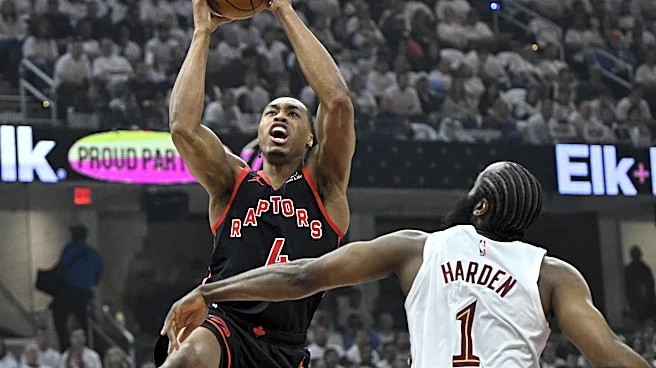

Despite the Cleveland Cavaliers walking away from Game 5 with a 3-2 series lead, they still haven’t fully instilled confidence as a bona fide contender. In many ways, Cleveland’s wins have felt more tied to Toronto’s limitations and mistakes than the Cavaliers consistently imposing their own identity and style of basketball over extended stretches of play.
The clearest example of Cleveland playing “their brand of basketball” came in the second half of Game 5. But even that performance came with important
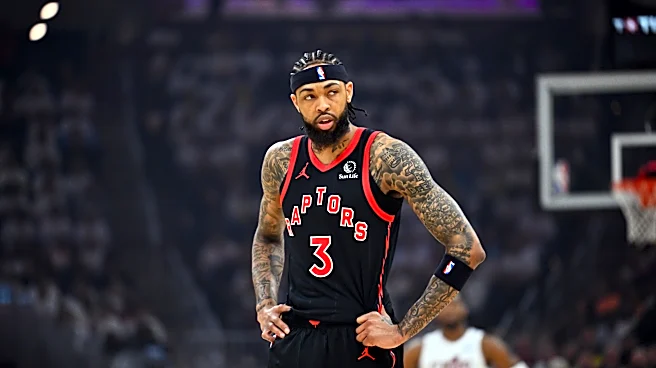
context: Toronto was without Brandon Ingram and relying on a clearly limited Scottie Barnes.
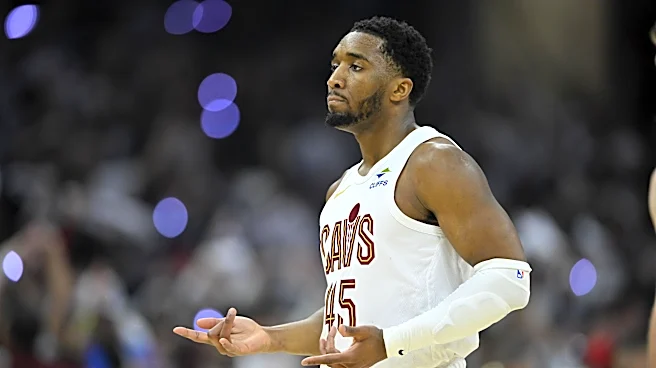
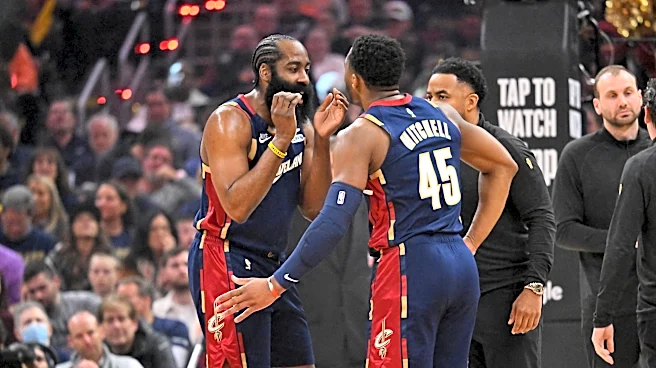
That makes Game 6 especially important for Cleveland’s postseason outlook. The key question isn’t simply whether the Cavaliers can close out the series, but whether that second-half surge in Game 5 reflected the team discovering a sustainable level of play without Donovan Mitchell, or if it was merely the product of a compromised Toronto roster.
To Cleveland’s credit, the Eastern Conference as a whole has hardly looked dominant in the first round. Detroit has pushed Orlando to the brink, while Boston and Philadelphia are going to Game 7. Because of that, the Cavaliers still have a viable playoff path if they can establish some consistency moving forward.
A familiar frustration for Cavaliers fans is that this roster never truly had the benefit of continuity throughout the regular season. Because of injuries and lineup instability, Cleveland has essentially been forced to troubleshoot in real time during this series, experimenting with combinations deep into the postseason to determine what actually works. The challenge with postseason lineup data is that the sample sizes are so small that it becomes difficult to draw meaningful conclusions from it.
Without a reliable regular-season foundation to lean on, the Cavaliers have been adjusting game by game — and at times quarter by quarter. That’s what made the second half of Game 5 so intriguing. Cleveland leaned more heavily into interior play, trusted offensive movement, and played with a level of freedom that had largely been absent earlier in the series.
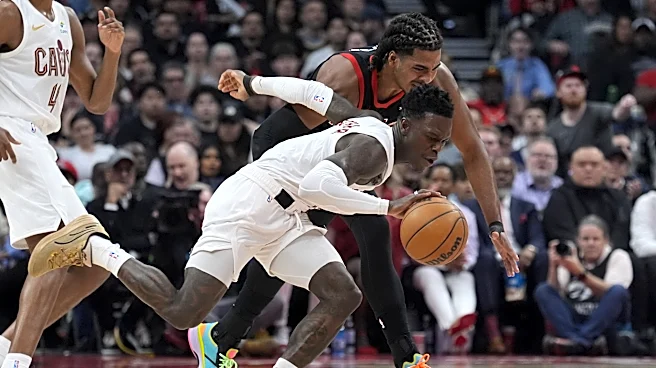
When the Cavaliers avoid letting the rigidity of postseason basketball hijack the natural flow of their offense, they look far more dynamic. In previous seasons, there is almost no scenario where Dennis Schröder takes over a pivotal fourth quarter while Donovan Mitchell comfortably plays off the ball as more of a spectator. Likewise, Evan Mobley confidently stepping into no-hesitation threes late in a high-leverage game signals a level of offensive trust and adaptability that Cleveland has not consistently shown in past playoff runs.
There are legitimate signs of evolution and meaningful change within this team. The question now is whether that second-half breakthrough was simply a one-game solution against a depleted Raptors team, or if it can become a legitimate blueprint for how Cleveland wants to play moving forward.
That’s why so much weight falls on Game 6. It’s less about fearing a potential Game 7 against Toronto and more about what another loss would represent: a team that still lacks a clear understanding of itself and remains unable to consistently execute the identity it wants to play with.