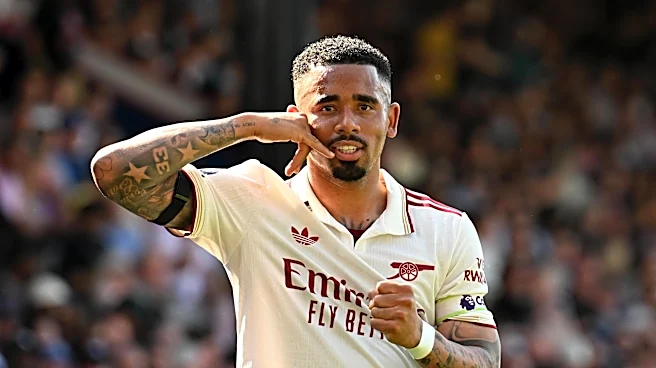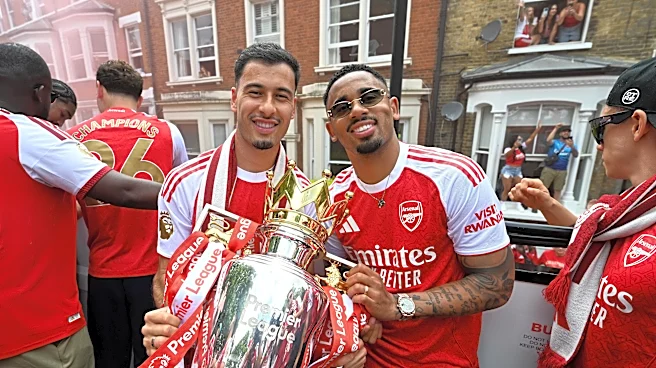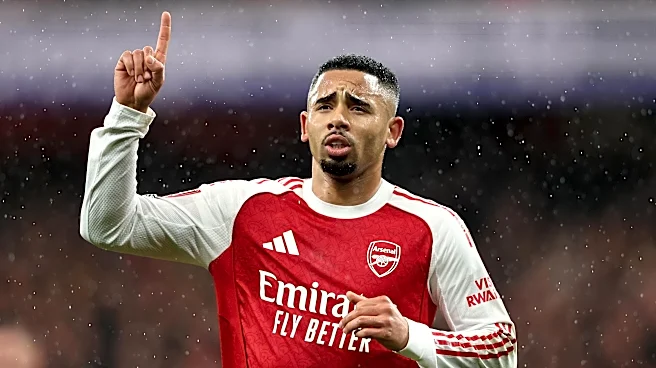





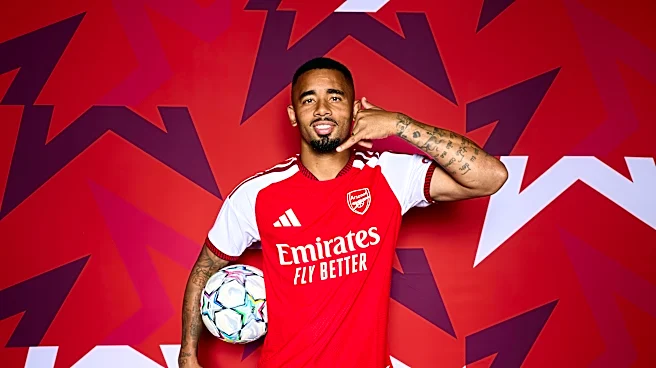
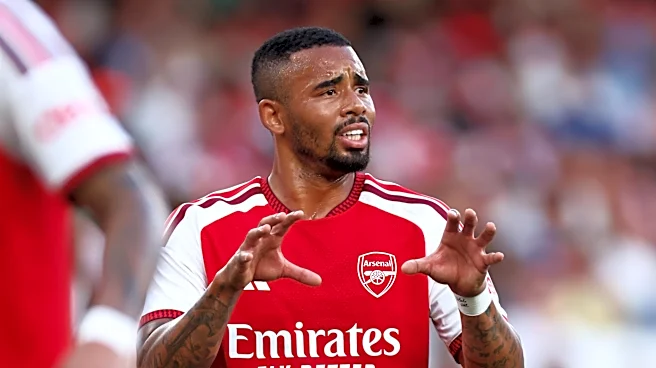
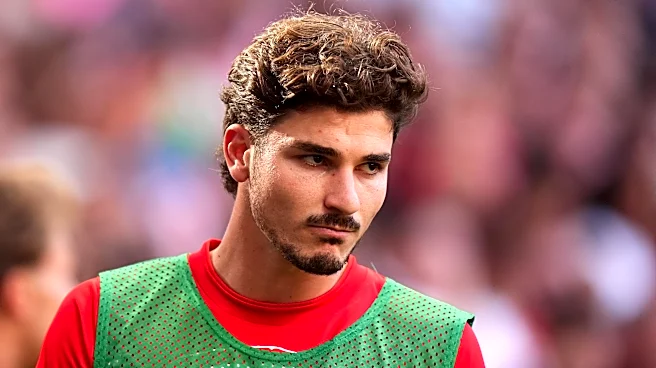
FC Barcelona have completed the signing of Gabriel Jesus from Arsenal FC in a surprise move. The transfer comes after Barça spent most of the transfer window in an unsuccessful pursuit of Julián Alvarez and after the team’s top two strikers, Robert Lewandowski and Ferran Torres, left.
Jesus, 29, comes for a relatively small fee – reportedly around 10 million euro – after missing most of last year with an ACL injury. An experienced striker who was won the Premier League four times and Copa América
in 2019, Jesus has also represented Brazil at the FIFA World Cup and came in second in the UEFA Champions League.

Trained by Pep Guardiola at Manchester City and Mikel Arteta at Arsenal, both graduates from Barcelona’s academy, he should fit Hansi Flick’s playstyle like a glove. The main question is whether muscular injuries in addition to injuries to his knees will hamper his usual strengths, which includes relentless off-the-ball pressing.
Arsenal are happy to move on his massive salary, and earn a fee in the process. He will reportedly earn much less for Barcelona, and the fee is seen by many observers as reasonable given the inflated market for strikers in world football. For Jesus, it’s a chance to represent the same club that Brazilian luminaries like Ronaldo, Romário, and Ronaldinho once did, and prove he’s still got it.
Ideally for Barcelona, Jesus serves as a backup to Raphinha, who has started the team’s first two games as a striker. He’s a stopgap signing that allows Barça to keep their warchest relatively unharmed to sign either Alvarez or another top class striker in an upcoming transfer window. In the best case scenario, Jesus could rediscover the form that made him a top center-forward in the Premier League.

There are people who are less optimistic. While the signing is cheap, it’s not free by any means, and if he falters from recurring injuries, it could be a waste. In particular, there’s a risk to signing an injury-prone player for depth if he is unable to do the basic thing depth signings need to do – be available when called upon.
The harder to answer question is that of opportunity cost. For a similar price, Barcelona could have taken a chance on a young, developing forward. We won’t know until years from now if there’s a diamond in the rough that the Catalans have missed out on.
However, the reason Deco, the team’s sporting director, may have opted for a veteran is that Barcelona already has 18-year-old Hamza Abdelkarim waiting in the wings. Another young option may have not paid dividends as quickly as Jesus, and may have blocked Hamza’s chance as well. In addition, finding a young forward who is an upgrade on Hamza would have likely taken a good bit of money.