

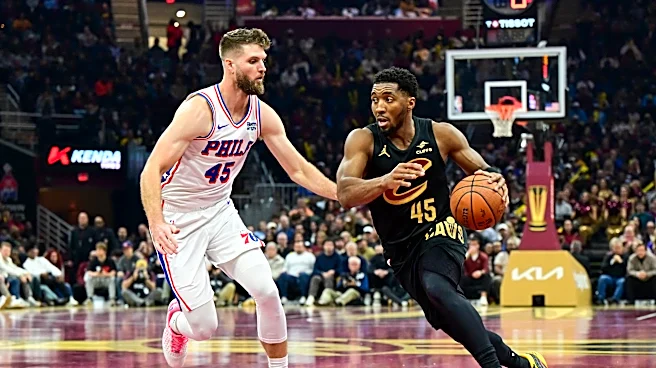
Set aside their ugly loss to the Cleveland Cavaliers in the NBA Cup on Friday, and the Sixers are otherwise having a largely dreamy start to the season. They still sit atop the Eastern Conference at 9-2, and they’ve shown a far higher ceiling on defense than anyone expected this early in the season.
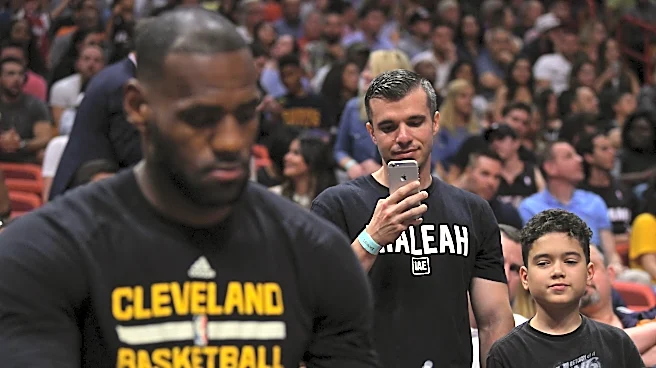
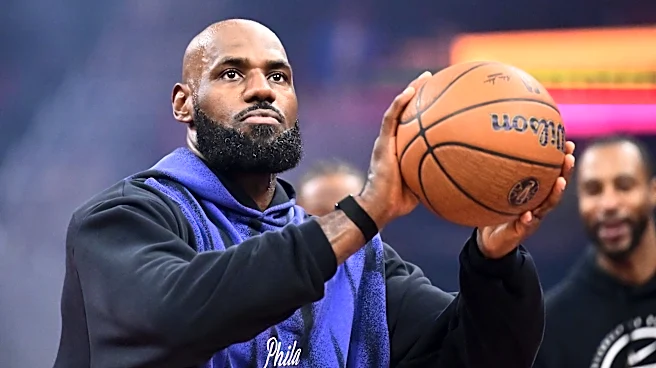
The Sixers have already hit a critical benchmark, too. This is the fifth time in LeBron James’ career that he’s been on a team that started the season 7-1, according to ESPN’s Kris Rhim. All four of the previous
teams that he’s done it with made the NBA Finals that season.
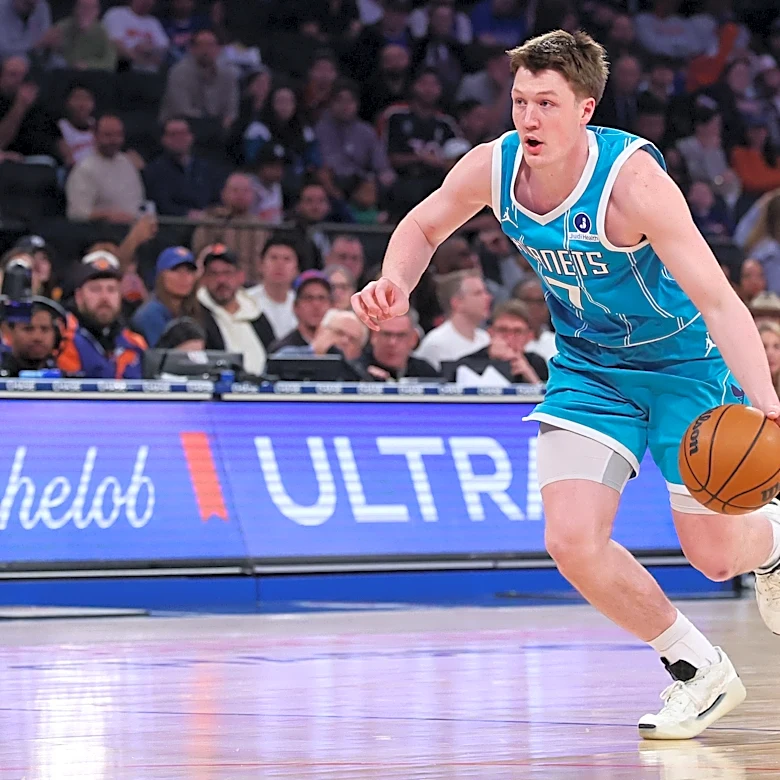
As long as their starting five stays healthy, the Sixers figure to be a preferred landing spot for ring-chasers later this year. They already have one open roster spot, and they could create another one by salary-dumping Justin Edwards ahead of the trade deadline. If Kevin Love is already queued up as one future signing, the Sixers might prefer to have additional flexibility to explore all of their pre- and post-deadline options.
However, the NBA’s new draft-lottery system could impact which players are available on the buyout market.
“Philadelphia would be an attractive destination in the buyout market after the Feb. 11 trade deadline, when the Sixers could squeeze a pro-rated minimum onto their books,” ESPN’s Tim MacMahon wrote Friday. “But several executives around the league wondered how much the new anti-tanking lottery rules will weaken the buyout market.”
The new lottery punishes the teams with the three worst records by giving them lower odds than the other seven teams that miss the play-in tournament. They can fall no lower than No. 12—the other 13 teams can drop as far as No. 16—but they have only a 16 percent chance at a top-three pick, a 28 percent chance at a top-five pick and a 61 percent chance at a top-10 pick. The other non-play-in teams have a 24 percent chance at a top-three pick, a 39 percent chance at a top-five pick and a 73 percent chance at a top-10 pick.
Teams that don’t control their first-round pick in 2027—a group that includes the Brooklyn Nets, Los Angeles Clippers, Milwaukee Bucks and Phoenix Suns—shouldn’t be particularly concerned with the new lottery rules. The second round will now be arranged in reverse order, meaning whichever team lands the No. 1 pick will drop to No. 46 in the second round, but that shouldn’t deter teams without a 2027 first-round pick from selling off veterans at the trade deadline.
The question is how many teams will buy out their unwanted veterans on expiring contracts if they’re unable to offload them at the trade deadline.
Sacramento Kings guard Zach LaVine might be the big test of the new system this year. The Kings are already flying dead stick, and it might be tough for them to find a taker for LaVine’s $49.0 million expiring contract by the trade deadline. However, they have control over their own 2027 first-round pick, which means they have clear incentive not to finish with a bottom-three record. Would they keep LaVine around after the trade deadline to help them accomplish that?
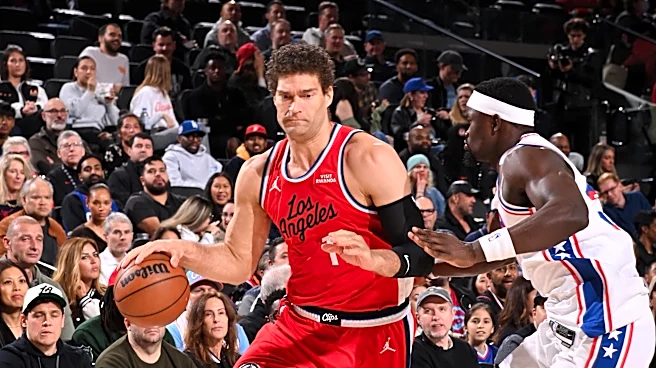
Granted, even if the buyout market is largely limited to teams that don’t control their own first-round pick in 2027, the Sixers could still have some decent options available to them. Clippers center Brook Lopez is on the tail end of his career and wouldn’t do much to help the Sixers’ rebounding issues, but he can space the floor and protect the rim, which would give them a valuable change-up whenever Joel Embiid is off the floor.
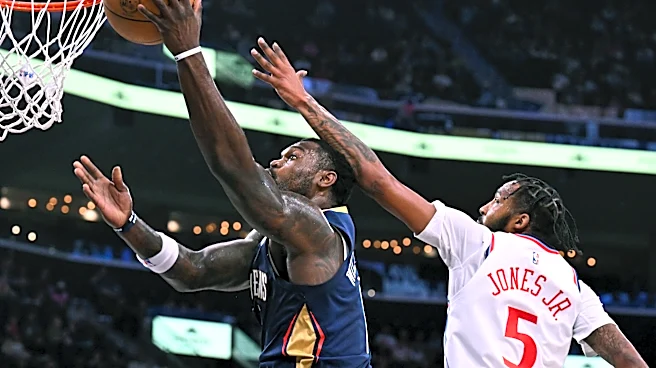
The Clippers presumably wouldn’t want to waive Max Strus, Derrick Jones Jr. or Kris Dunn, if only to ensure they maintain their Bird rights on them heading into free agency next summer. The same goes for the Nets with Michael Porter Jr. and the Chicago Bulls with Jalen Smith. But agents will still have the same motivation to get their clients to winning environments, even if teams have less incentive to buy out their veterans on expiring deals.
Whenever the NBA implements a rule change as drastic as the new draft lottery, it inevitably has trickle-down effects, many of which are unintended consequences. It’s unclear if the league intended to whittle down the buyout market as part of its anti-tanking push, but executives are already wondering how it will look this year, as MacMahon relayed Friday.
The Sixers can only hope those fears are unfounded. Otherwise, they might have to pivot to a plan B regarding in-season improvements to their roster.
Unless otherwise noted, all stats via NBA.com, PBPStats, Cleaning the Glass or Basketball Reference. All salary information via Spotrac and salary-cap information via RealGM.
Follow Bryan on Bluesky.