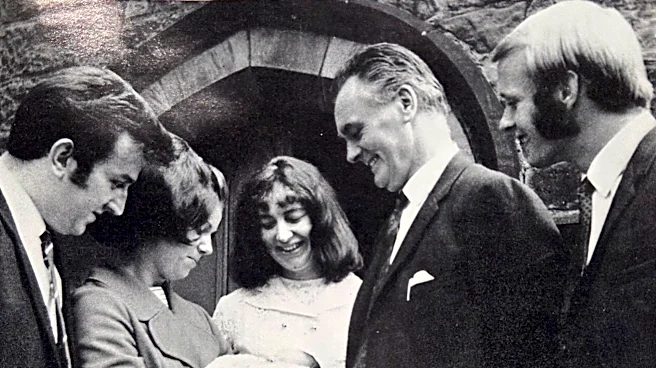

There have been plenty of rebuilding jobs promised by new Sunderland managers down the years. Some were needed more than most, but it’s difficult to argue that many were bigger than the one Denis Smith faced in the summer of 1987.
Following the Lawrie McMenemy era and Bob Stokoe’s last-ditch effort to perform another miracle, Smith took over a club who had reached its lowest ebb in its history, and as he mentions in his book, One of Seven, everyone around the club thought things would only get worse.
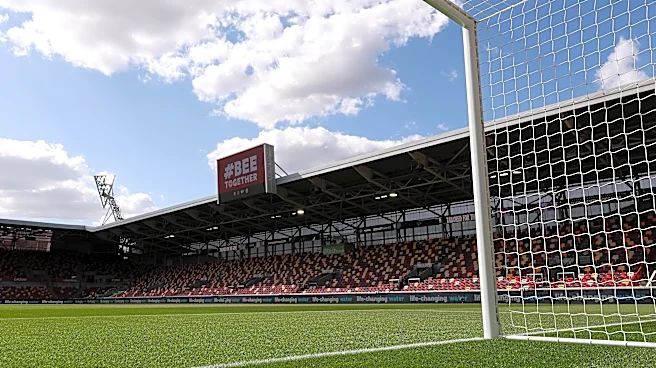
But the former Stoke City defender went to work, and on that all-important opening day at Brentford, four players made their debut. New signings included Steve Hardwick between the sticks, central defender John MacPhail and, alongside him, John Kay, who arrived from Wimbledon. Also making his first appearance in red and white was Gary Owers.
It was striker Keith Bertschin who scored the winner at Brentford that day to set Smith’s Sunderland on their way, but despite the Lads being unbeaten in the first five league games and sitting top of the league, it appeared the Sunderland manager was on the lookout for another striker who would lead us back to Division Two.
So, on this day in 1987, Smith confirmed that Sunderland had made an inquiry for Bristol Rovers striker Gary Penrice.

The then 23-year-old former Bristol City forward had scored five goals already that season, including the equaliser against Sunderland at Roker Park a fortnight prior. It did appear, however, that Sunderland had stiff competition from at least a couple of bigger clubs who were also looking to sign Penrice, but Smith was keeping his cards close to his chest:
I am not getting involved in an auction. I have money to spend on players and I will do it correctly. I have made an inquiry for Penrice, but I have not put a bid in for him. Bristol Rovers have not told me how much they want, but I know which way they are heading.
Penrice would eventually move to Watford in 1989 for £500,000, but Smith had also been chasing another unknown target where a bid had been placed, although he was seemingly resigned to missing out on the mystery striker:
They have not come back to me and I am very disappointed. I think it is bad manners on their behalf, but there is nothing I can do about it. I think the manager was keen to do business, but it appears he has been over-ruled by his board. However, I have two lads in the Reserves in David Buchanan and John Moore who I can’t fault, so there is no rush to put pressure on Eric Gates and Keith Bertschin.
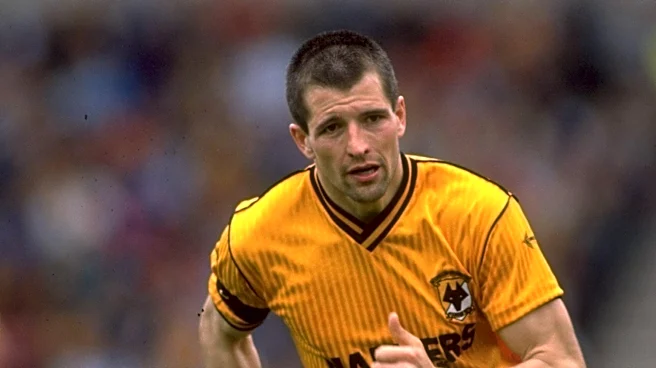
Bertschin had scored two goals in Sunderland’s 2-2 draw at Walsall just 48 hours earlier as we stayed top of the Third Division, but Smith was stepping up his search for a proven goalscorer and was also linked with Wolves striker Steve Bull.
The then 22-year-old Bull took his goals tally for the season to seven in just five games, but Smith denied making any contact with Wolves, who had almost gone out of business the previous year:
I have not even seen the lad play, but if he continues to score goals at this rate we will have him checked out. I have not made any offer for him. The lad obviously has a pedigree because he was at West Brom and if I were manager of Wolves I would not dream of selling him.
With all this searching for a striker – Marco Gabbiadini made his debut three weeks later.
Between the sticks, Smith was closer to completing the signing of Steve Hardwick on a permanent basis. A month’s loan period expired after the next fixture and, although terms had been agreed between the clubs, the deal was expected to be put on ice for another month as the manager explained:
I had a chat with Steve at the weekend and he has expressed his willingness to come. I would prefer to have him signed up but I can’t until Oxford give the word.
In other news…
The Visitors take a close look at Quinn…
Also on this day in 1987, Newcastle United manager Willie McFaul was reported to be planning to check out Arsenal’s unsettled striker Niall Quinn in Dublin two days later.
Quinn was scheduled to partner Frank Stapleton up top for the Republic of Ireland when they took on Luxemburg in a qualifying game for the European Championship the next summer.
McFaul would make the trip to Dublin after watching Mirandinha play for the Football League against the Irish League in Belfast the night before the game in Dublin.
Quinn had been unsettled at Arsenal since he lost his place with the arrival of Alan Smith from Leicester and had scored twice for The Gunners’ Reserves the previous week.
It was only Quinn’s third Irish cap for the Republic of Ireland, which came as a result of John Aldridge’s suspension, and as he was reported to be a close friend of United defender John Anderson, the rumour mill was going into overdrive.
This was especially true following a defeat at Wimbledon that left them bottom of the First Division, which resulted in McFaul being locked in with the directors for 90 minutes after the final whistle.