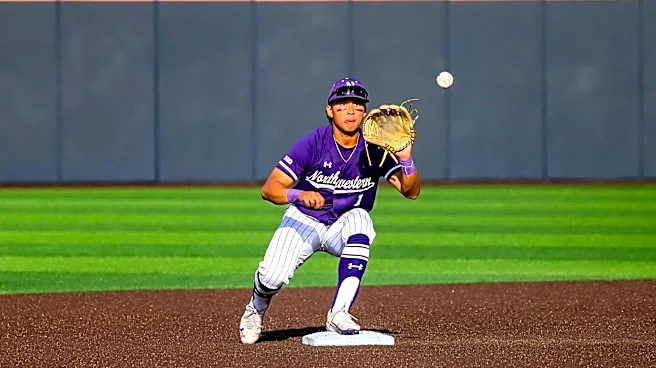







The dim hope of generating momentum for the offseason all but died over the weekend as Illinois dominated the ‘Cats. The Illini swept Northwestern in every sense of the word: NU didn’t lead for a single half-inning, the ‘Cats committed almost as many errors as RBIs and went 4 for 18 with runners in scoring position. Northwestern’s pitchers couldn’t contain the Illinois bats and the offense struggled to find any momentum when it mattered. So, what went wrong and what can this squad show in its final
conference series to avoid the true basement of the Big Ten at the end of the season?
The Bats
Ben Greenspan kept the lineup consistent in the series, at least at the top, but his most talented hitters simply couldn’t get anything going, setting the tone for an uninspired effort all around. Owen McElfatrick, Jack Lausch, Ryan Kucherak and Noah Ruiz combined for three RBIs, three walks, two extra-base hits and…11 strikeouts. Not great. It’s not like the Illini pitching staff is elite at generating whiffs or limiting hard contact; they are a middling Big Ten staff that ranks in the bottom third in the conference in strikeouts per nine innings. The ‘Cats are dead last in the Big Ten in batting average and on-base percentage, with a cumulative on-base plus slugging under .800 and it’s simply impossible to find sustainable success with that type of offensive production.
The most painful trend of Northwestern’s 2026 offensive performance goes beyond this year, however. Even after losing a few key contributors, namely Trent Liolios, in the offseason, I believe those within the program would not have predicted a major falloff for this offense. Last year, the ‘Cats had four hitters who appeared in at least 20 games with an OPS above .900. In 2026, the Wildcats have one player, Jack Lausch, who has played in at least 20 games with an OPS above .800. Lausch is also the only hitter with over 100 total bases and leads Northwestern in nearly every significant offensive category. The absence of a slugger like Liolios compounded by steps back from Ryan Kucherak and Owen McElfatrick have meant that the ‘Cats lacked the necessary threats in the middle of the order to overcome their lack of offensive depth.
The Arms
Unlike the offense, the ‘Cats pitching staff was going to have to make major strides forward to sustain a winning formula in 2026. Even so, the improvements were marginal, at best. Northwestern’s team ERA did improve year-over-year, yet it still sits at 7.14 entering the last series of the season. In conference games, the numbers are even more troubling. Northwestern pitchers have walked the second most batters and struck out the second fewest in Big Ten play while also owning the second worst batting average against. Similar to the offense, the fact is that not enough pitchers took a leap forward to elevate this team out of the Big Ten basement.
Some Northwestern pitchers did show flashes: Ryan Weaver put together some outstanding starts, Drew Dickson looked great out of the bullpen and Matt Kouser thrived at times in a swingman role. Still, the ‘Cats simply could not limit damage for any significant stretch of the season. With a walks and hits per innings pitched number approaching 1.75, Northwestern pitchers were constantly dealing with clogged bases and often they pressed in these scenarios, leading to inflated walk numbers. The flashes from guys like Weaver and Kouser could never make up for the lack of control and at times uncompetitive outings from up and down the staff. In a critical year for the Northwestern pitching program in regard to the future outlook, there wasn’t much reason for optimism
So, as we look to the final series against Rutgers and beyond, the pressure on Ben Greenspan is palpable. I still believe in his vision for the program and ability to bring in talent, but the departures of Lausch, Kucherak and Weaver leave a huge talent gap that can’t be filled by the transfer portal. Internal development and progress have never been more important for this program.