
Ever since the Chicago Bears hired Ryan Poles and Ian Cunningham to their respective general manager and assistant GM positions back in 2022, I saw people talking about it.
That for the first time since
the NFL had instituted its new rules awarding compensatory draft picks to teams that had a minority coaches and/or executive hired away by another team in 2020, the Bears would have a shot to benefit when/if Cunningham got a GM job.
It came close to happening on a number of occasions, what with Cunningham being a highly respected, up-and-coming young football mind. Other times, it seemed like it might not happen at all, if Poles had been fired as some thought should’ve happened at a few points before this season. (Not now, of course.)
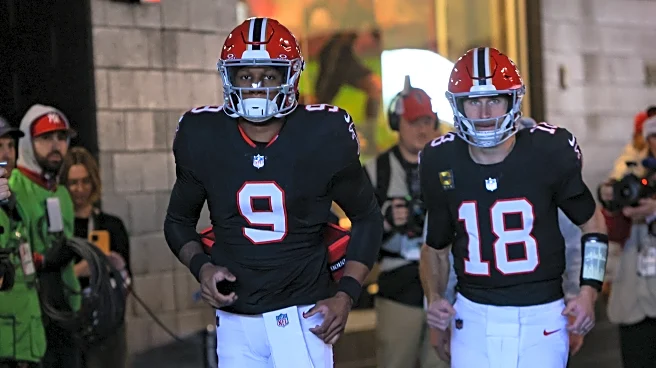
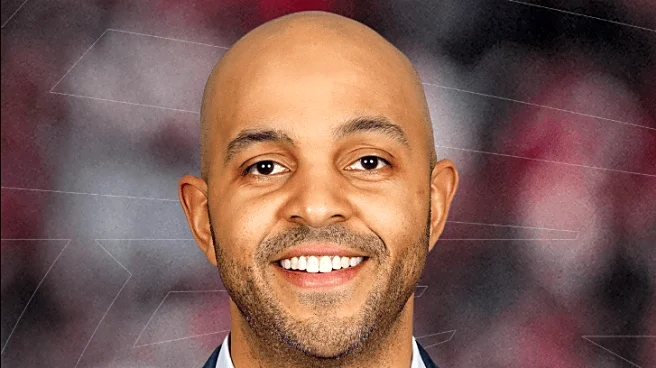
But now, the day of Cunningham’s departure has finally come, as the Bears’ now-former assistant GM leaves to take the main job for the Atlanta Falcons. As for the comp picks? Well…
Because the Falcons hired former quarterback Matt Ryan to be their president of football operations, which is considered to be the main decision-making position for football matters under their new organizational structure, the Bears will reportedly not get the two third-round comp picks over the next two seasons that fans had been anticipating. (Interestingly, Cunningham was a finalist for that job and got passed over for Ryan.)
After all that anticipation, Bears fans are understandably disappointed that they’re not getting the benefits of two additional third-round picks to bolster their roster, which is already on the cusp of being Super Bowl-ready.
But can I be honest with you for a moment?
I am sick and [bleeping] tired of hearing about these [bleeping] comp picks.
I’ve been sick of it since it first got brought up, and I’m even more done with it now.
I get it. It’s all in the game. The NFL made this rule, and the Bears are getting screwed out of something that could help their team on a technicality. They did what the league wanted them to do—cultivate a Black man into a coveted general manager/football executive—and got nothing in return.
That last part, even as I wrote it, disgusts me entirely.
Because for four years, ever since Cunningham first came here, we’ve been treating him like a bargaining chip—someone who would help the Bears’ organization more in the form of two comp picks than as an actual member of it. Like a piece of livestock to be sold off when the time was ripe, or discarded along with Poles if the Bears didn’t win enough games.
That might be the cruel, honest truth of the matter and well in line with the NFL’s culture, where just about everything is transactional. But that doesn’t mean I can’t justifiably despise it.
It just hits different when you remember why the Rooney Rule and its corollaries exist in the first place: because this league is majority-Black on the field and heavily white in most organizational positions of power, from head-coaching jobs to the owner’s boxes.
Because the NFL is one of the consummate “good ol’ boys” clubs in America, with well-documented hiring dearths when it comes to qualified, experienced Black coaches over the years. People who have waited their turn, scraped and scraped for years to never have a head job of their own, or, like David Culley, to be given command of a sinking ship and fired swiftly after it submerged. (And it’s even worse in the C-suite.)
Which led the league to mandate that teams had to at least let Black and minority candidates into the interview room, and to later offer actual draft compensation in exchange for developing executives. Because that’s the only language NFL owners understand.
And of course, rather than lead to consistent change, the Rooney Rule has produced little more than “box-checking” on the coaching front—on some “Here, damn! I did my interviews. Now can I hire Brian Schottenheimer already?”
Then, on the executive side, you have situations like Cunningham’s, where the only value most people see in him is what they can get for him two or three years down the road. Not the role he played in the early stages of the Bears’ rebuild, or his partnership with Poles in turning this franchise around from the laughingstock it was to a team that made the Divisional Round this past year. Nor the fact that Cunningham’s hire is actually a win for the Bears and their improving reputation around the league, no matter how you slice it. But a pair of third-round comp picks.
Again, the rational part of me understands well why that’s where most people’s minds went. That’s how it is in professional sports. Everyone has a draft valuation, a contract projection, a trade value, and a dead-cap number if you cut them. That’s the inescapable fact of the sports business. And none of us are immune to the way sports have calloused us to think about players and personnel that way.
But that other part of me, quite frankly, doesn’t want to hear another [bleeping] word about the Bears getting or not getting comp picks for Cunningham. Because the real problem is that the NFL should never have had to incentivize organizations to check their biases at the door and hire smart people. And we shouldn’t have been so quick to look at a man who just achieved a major career accomplishment—in large part because of the success he helped bring the Bears—as little more than an item we pawned off and didn’t get enough value for.