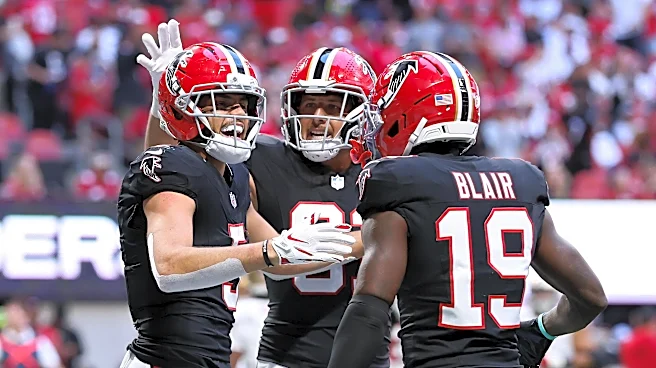



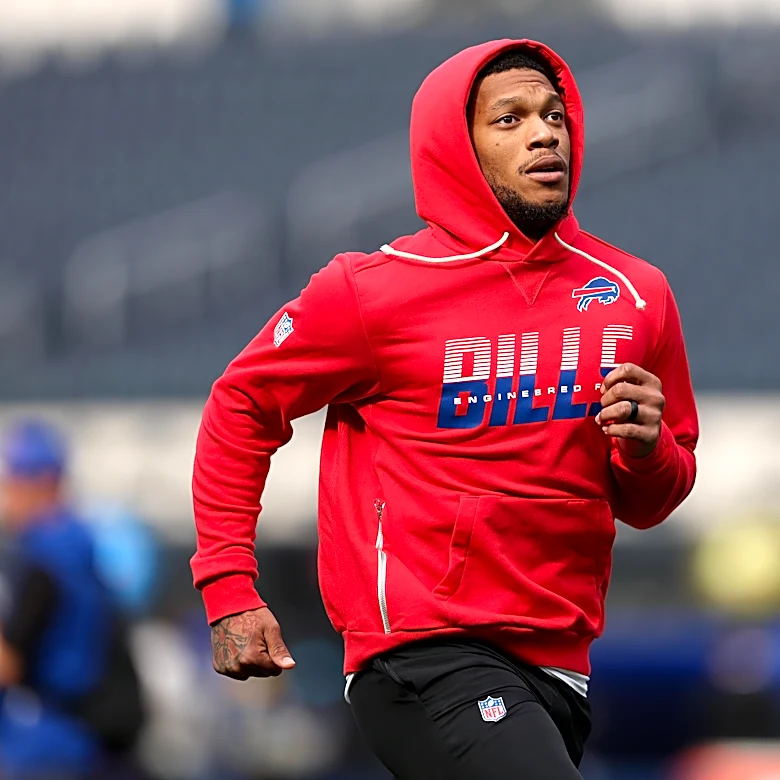


One of the most common descriptions of the Falcons’ offense is its explosiveness. It’s a unit with playmakers, headlined by arguably the NFL’s best running back and one of the NFL’s most physically imposing wide receivers. Bijan Robinson and Drake London have proven they can take over games. With Kyle Pitts always capable of breaking out a monster performance, Jahan Dotson’s knack for stretching the field, and Zachariah Branch’s potential, expectations are understandably high for Kevin Stefanski
and Tommy Rees.
Top offenses can’t be reliant on explosive plays every week. Long drives will be required to put points on the board. Not getting bored of taking yards underneath can be necessary to thrive, especially with a young quarterback coming off multiple frustrating performances. Mixing in heavier personnel sets and getting the ball out faster to shore up pass-protection woes is another part of how a methodical offense can operate.
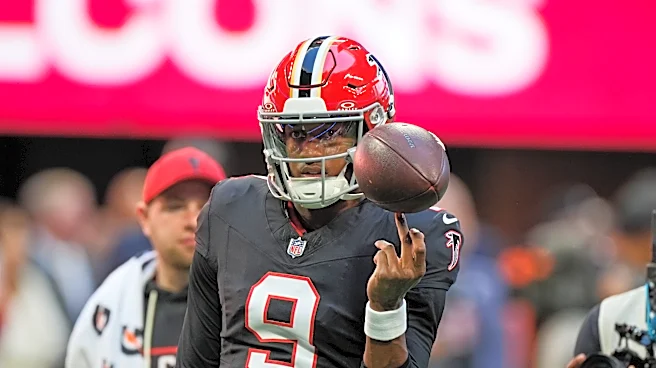
The Falcons produced four consecutive drives of ten plays or more in an impressive upset win over San Francisco. Three of those drives ended in passing touchdowns to three different players. Michael Penix Jr. was assured in his progressions. He made sharp decisions across the short and intermediate areas. With better pass protection and designed high-percentage looks, the enigmatic quarterback bounced back nicely.
Per Pro Football Focus, Penix Jr. completed 24 of 31 passes for 194 yards and three touchdowns when not faced with pressure. As the 49ers stifled Bijan Robinson on the ground, the onus was on the passing game to deliver against the coach who first believed in Penix Jr., Raheem Morris. They did exactly that in an unglamorous, yet highly efficient manner.
Calm and patient
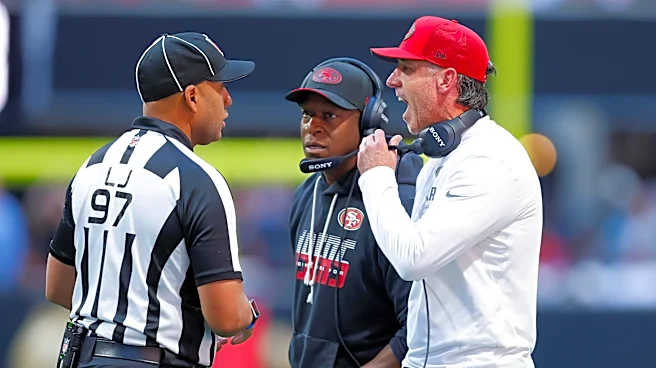
It’s hard to say whether the Falcons were caught off guard by Morris opting not to blitz. Given how successful Baltimore and Chicago were at bringing extra rushers to rattle Penix Jr., it felt inevitable that San Francisco would ramp up the pressure. That never came to fruition, as Morris used primarily his signature Cover 3 looks to take away the deep area of the field. It largely consisted of taking away the vertical opportunities and forcing Penix Jr. to take what the defense allowed him underneath. The former ten pick happily did that.
By using a wider variety of heavy formations, Stefanski and Rees created high-percentage looks on early downs to keep drives moving. Role players made valuable contributions on a few of those passes, as Charlie Woerner and Khalil Herbert caught passes underneath to put the offense in striking distance. That’s where Penix found Nick Muse on a classic goal-to-go leak play for his first passing touchdown. The personnel usage was notable on the score.
Backup offensive linemen Kyle Hinton and Corey Levin lined up overloaded on the right. Muse lined up alongside Jake Matthews on the left. Using a variety of skill-position players as the lead fullback has become a staple of the offense. Woerner was the player on this occasion, which was sensible given his blocking capabilities. With no Pitts or Austin Hooper on the field, all signs pointed to Robinson running the ball behind the jumbo package in for the touchdown. Instead, Penix Jr. sold the play-fake well and lofted the ball to a wide-open Muse into the end zone.
Although the next drive didn’t end in a touchdown after 14 plays and 56 yards, the Falcons were finding a rhythm through the air. They needed it after the previous two games, where the dropback passing game looked disjointed for long stretches. London and Branch caught passes for solid gains on 1st down, putting the offense in more favorable positions.
The offense faced far too many third-and-longs against Baltimore and Chicago. Quick completions on early downs helped the offense manufacture long drives. With the running game largely ineffective, those early down gains through the air were needed to pull off a massive win. That’s what pushed them to turn the coaching staff’s vision into successful game-day execution.
Slicing and dicing toward deep shots
When a scoring drive features London and Pitts making multiple catches, it usually involves explosive highlight-reel plays. On a ten-play, 59-yard drive that resulted in a Pitts touchdown, the two star pass catchers combined for five receptions for 38 yards. That stat strongly indicates how the Falcons were going to win off efficiency rather than being prolific.
Pitts was used largely on short outs and hitches, while London won on slants and choice routes. Both players produced solid gains on screens, which mattered given how much the team has struggled to execute them in recent weeks. What made the difference on the second touchdown drive came on a third-and-seven. London ran a well-timed choice route where Penix Jr. hit him in stride to convert. That set the tone for the Falcons to take the lead.
The drive ended with play action, with Penix Jr. rolling to his left as Pitts ran a crosser to the same side. The play misdirection gave the dynamic tight end the leverage he needed to catch his fourth touchdown pass in three games. How calculated the coaching staff was in mixing up 12, 13, and 22 personnel gave the 49ers fits. Their defense got baited into fakes and often allowed easy completions.
After Jessie Bates delivered another second-half turnover, the Falcons were in prime position to take a two-possession lead. This is where the aggression turned up. Penix Jr. attempted multiple passes past 20 yards following three quarters of being limited to short and intermediate passes. Jahan Dotson ran a clever out-and-up on Jack Jones, forcing the cornerback to panic downfield. The excessive contact led to a defensive pass interference call on 3rd and 8.
Facing fewer two-high looks, Penix Jr. pushed the ball downfield. A quarterback with his arm and confidence will always try to stretch defenses and exploit mismatches. That’s where he found his favorite receiver downfield inside for his third touchdown pass. Running alongside Dotson on a two-vertical route concept, London found space over the top to get in the end zone, with Renardo Green unable to make a play at the catch point.
While it looks like a routine touchdown, Penix Jr. does a fantastic job looking right at Pitts down the seam to get the deep safety moving toward that direction. That quick nod gives him the space needed to hit London over the top for the beloved wide receiver’s first touchdown of the season. Those nuances are needed for a young quarterback to be productive in the pocket, especially when his athletic limitations prevent him from making out-of-structure plays.
Gradual progression
As frustrating as it is to be unable to attack downfield, that frustration quickly fades when your team comes out victorious. Winning in a gritty way shows maturation, as the offense’s biggest gain came on the 21-yard touchdown pass to London. Coaches must be adaptable with game planning. Quarterbacks must be able to alter their approach for certain matchups. That’s been one of many changes for Penix Jr. in a new offensive system, where his air yards per target has dropped from 8.4 in 2024-2025 to 7.0 in 2026.
That low total can be attributed to certain matchups, but the schematic changes were bound to reduce his air-yards-per-target average. By operating more under center with more multiple tight end sets, there will be fewer throws past 15 yards. The days of running 11 personnel in shotgun or pistol on 75% of plays are long gone. This regime uses more variation, disguises, intentional motions, and structured quick game. That has allowed Penix Jr. to grow as a quarterback.
It’s made the offense more dangerous overall, proving they can find the winning formula without relying on the running game to take over or three to four explosive passing plays producing scoring drives. Being methodical can go a long way in pulling off more upsets with daunting matchups against Cincinnati and Kansas City on the horizon.