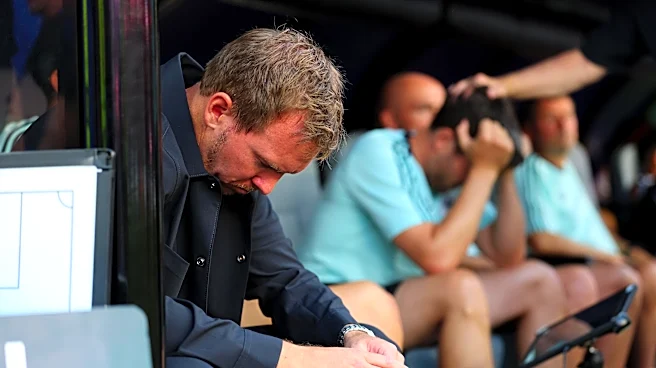

Was Julian Nagelsmann truly locked in on his job with Germany?
That is becoming a fair question to ask when looking back at how Germany approached the 2026 World Cup.
Unlike the picture painted by many, the biggest issue might not have necessarily been a lack of talent. It might have been that Nagelsmann repeatedly chose the safest solution rather than building the best possible team.
Joshua Kimmich at right-back is probably the clearest example. Instead of accepting that Kimmich was better suited to
influencing the game from midfield, Germany kept trying to make the right-back solution work. It felt like a tactical compromise that solved one problem while creating another.
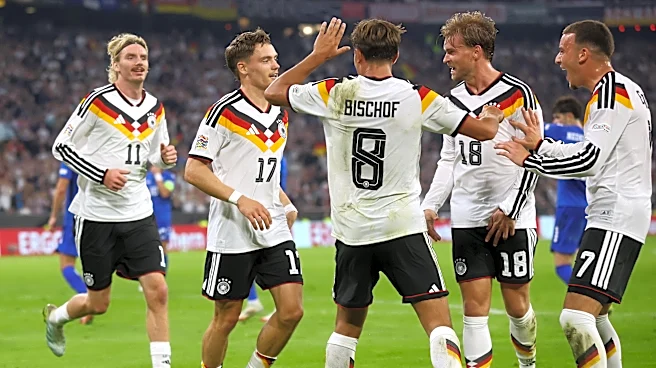
Then there were the selection decisions. Players such as Philipp Treu and Tom Bischof were completely overlooked despite offering qualities Germany could have used. Meanwhile, Nagelsmann continued to lean on experienced options such as Leon Goretzka and Pascal Groß. Experience has value, but there is a difference between trusting veterans and automatically defaulting to them.
The squad construction raised even more questions. By the time the World Cup arrived, Germany had remarkably limited genuine wing options, with Leroy Sané and Jamie Leweling essentially the only natural choices. David Raum was carrying fitness concerns, while Assan Ouédraogo was included despite appearing to have little realistic path to meaningful playing time.
Nathaniel Brown, who won the Germany left-back job for the World Cup and parlayed it into a transfer to Bayern Munich, offered Germany a level of versatility that could have solved several problems within the squad. Comfortable playing both left-back and right-back, Brown could have provided valuable cover on the right side of the defense while giving Nagelsmann more flexibility with his lineup by allowing Kimmich to play in the midfield, where both Felix Nmecha and Aleksandar Pavlović struggled.
Brown’s ability to shift to the right could have opened the door for Maximilian Mittelstädt to slide in at left-back and provide a more complete look to the backline rather than the makeshift group we saw. Rather than forcing the team to make compromises elsewhere, Brown could have provided a genuine two-position solution while allowing Mittelstädt to operate in the role where he was most comfortable—but that would have also required Mittelstädt to actually get selected in the first place.
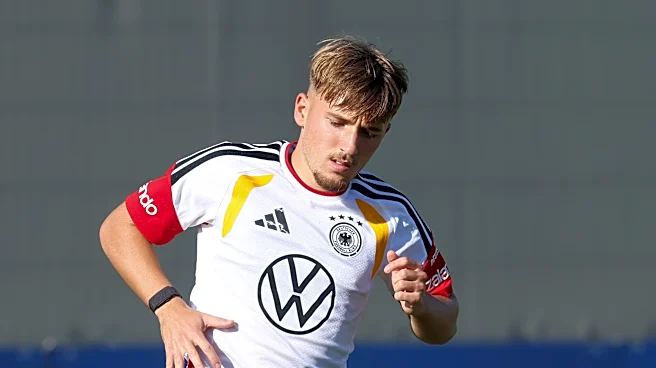
And yes, talent identification might be the area where Nagelsmann’s commitment could be most questioned. Some point to Treu, who is 25 years old, as being a player who simply burst onto the scene this season, but that would be ignoring his body of work. In 2025/26, Treu played 46 games for a good SC Freiburg team. Prior to that, Treu played 35 games for St. Pauli in 2024/25 and 30 games for them in 2023/24.
If Nagelsmann’s talent identification had been comprehensive and on-point, missing on a player at a position of dire need would not have happened.
Moreover, Tom Bischof received his first senior Germany call-up under Julian Nagelsmann in May 2025 after a sensational campaign with Hoffenheim. That made his eventual omission from the 2026 World Cup squad all the more curious. Bischof was already being identified as one of Germany’s promising young talents, and then he earned a move from Hoffenheim to Bayern Munich, where he had the opportunity to train every day in a world-class environment alongside some of the best players in the game.
Bayern Munich even described him as one of Germany’s biggest talents when they signed him. Yet somehow, when the World Cup arrived, Bischof was no longer considered good enough to make the final squad. Instead, Nagelsmann went with retreads like Leon Goretzka and Pascal Groß, saying there was significant competition for Bischof’s position and that the midfielder had been “super close.”
Still, that explanation raises an uncomfortable question about the manager’s talent identification—how does a player go from being good enough for a senior call-up, to developing at Bayern Munich, and then somehow become expendable when the biggest tournament arrives? If Bischof’s trajectory was supposed to be upward, his omission certainly invites scrutiny of whether Nagelsmann was identifying Germany’s best talent or simply trusting the players he already knew because it was the easiest thing to do.
All of that makes the bigger question unavoidable.
Was Nagelsmann building the Germany team he genuinely believed could maximize its talent, or was he simply trying to minimize risk? Those are two very different approaches.
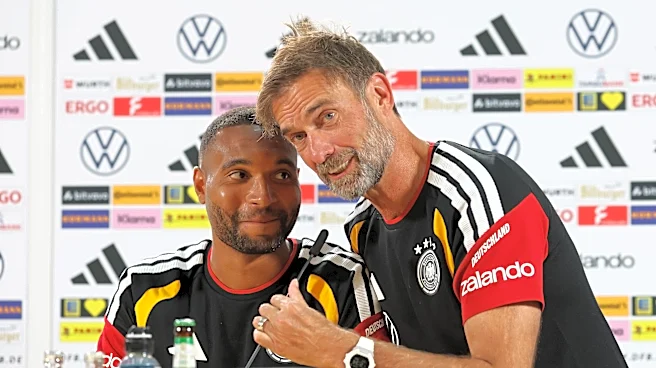
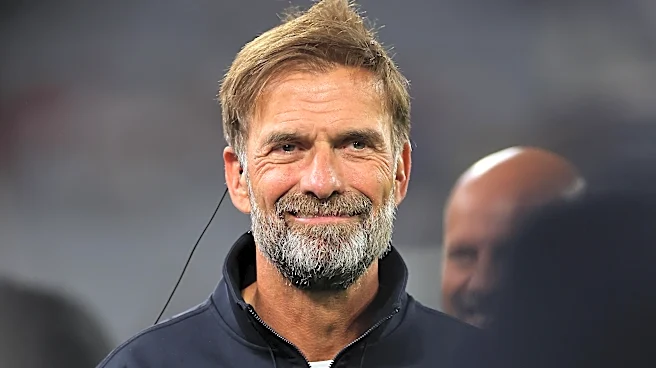
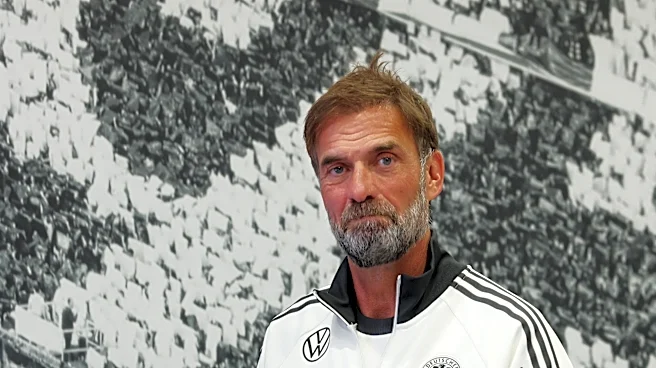
The Germany we are seeing under Jürgen Klopp has already demonstrated a willingness to experiment, introduce players such as Treu and Bischof, and expand the pool rather than constantly relying on familiar names.
Maybe Nagelsmann’s biggest failure was not tactical. Maybe it was that he stopped taking enough chances with a team that desperately needed them.
Join the conversation!
Sign up for a user account and get:
- New, improved notifications system!
- Fewer ads
- Create community posts
- Comment on articles, community posts
- Rec comments, community posts