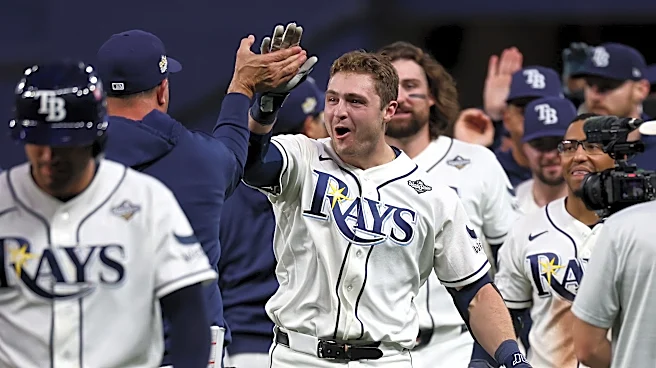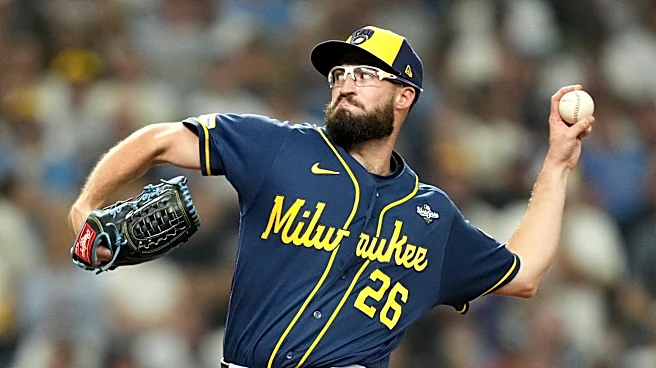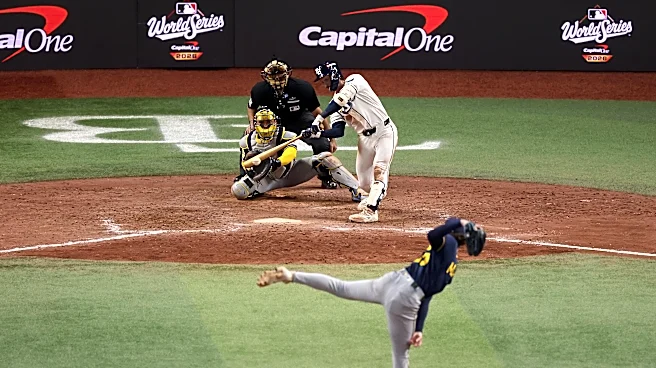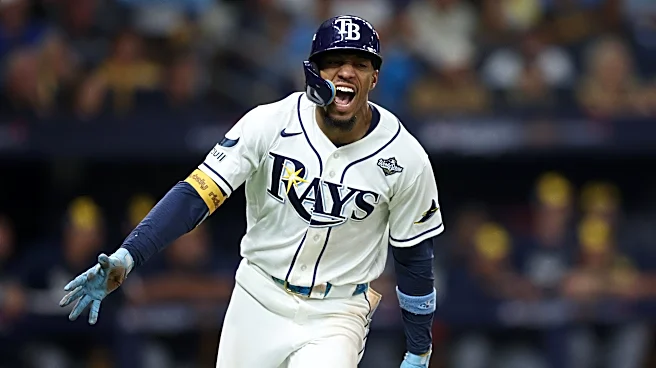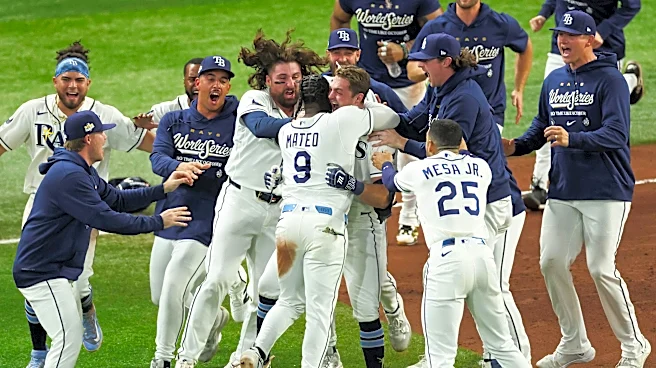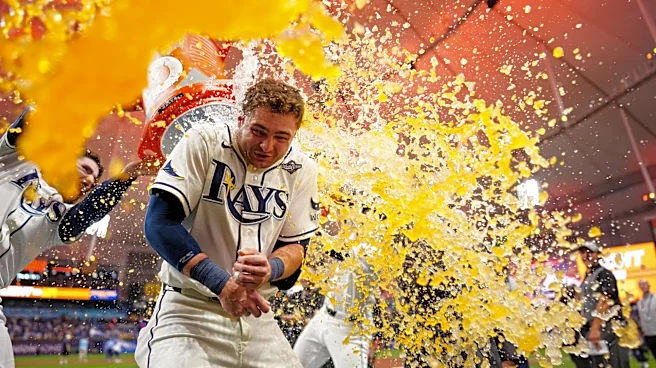


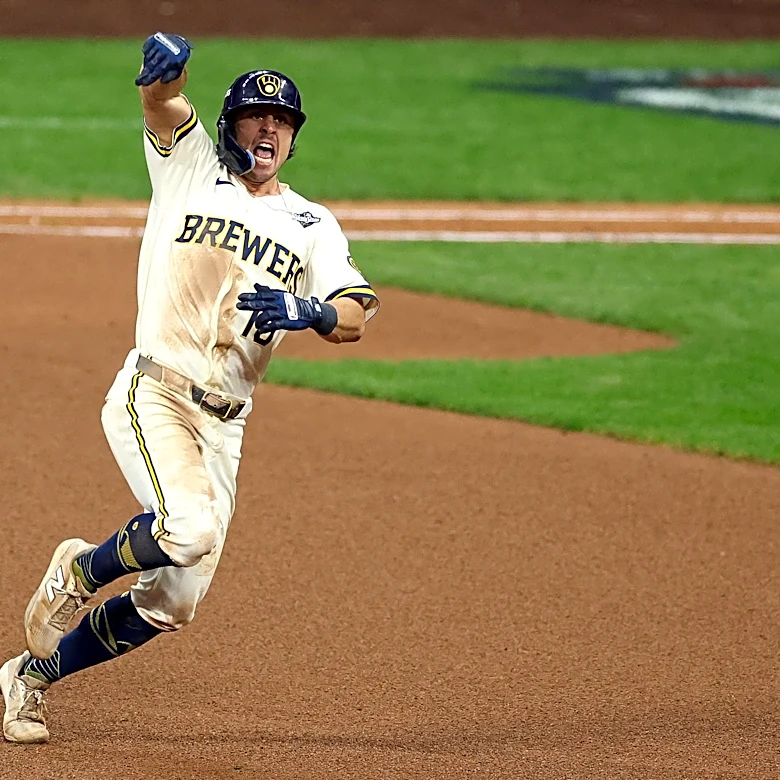
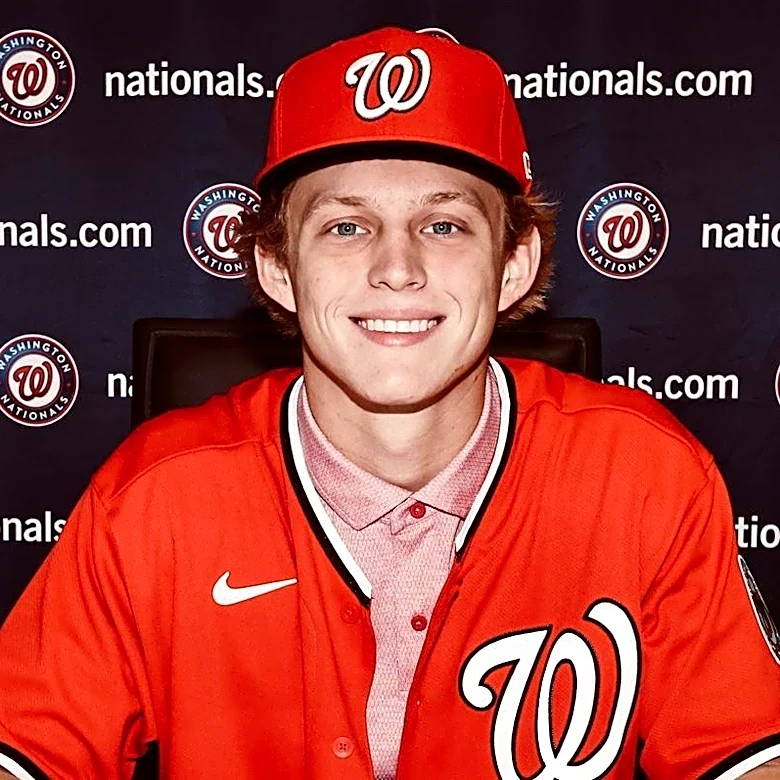
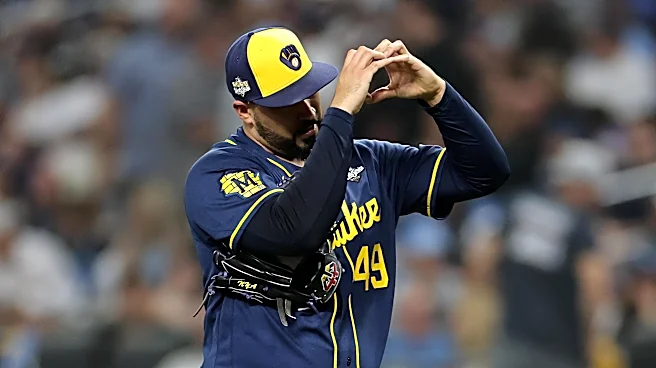

For the first 38.5 innings of the World Series it was all Brewers. The Crew looked unstoppable as they raced to a 3-0 lead. The Trop sounded like American Family Field South as you can hear from the roar the Milwaukee-friendly crowd let out when Cooper Pratt hit a go-ahead solo home run in the top of the 12th inning [VIDEO].
It seemed a foregone conclusion that the Brewers had done it. Everyone believed it was over, including some graphic design person in Tampa Bay who let a “World Series Champions”
graphic fly on the video boards at the Trop after Pratt’s home run:
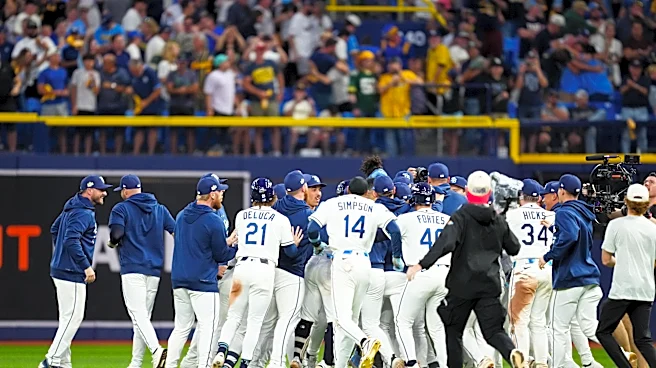
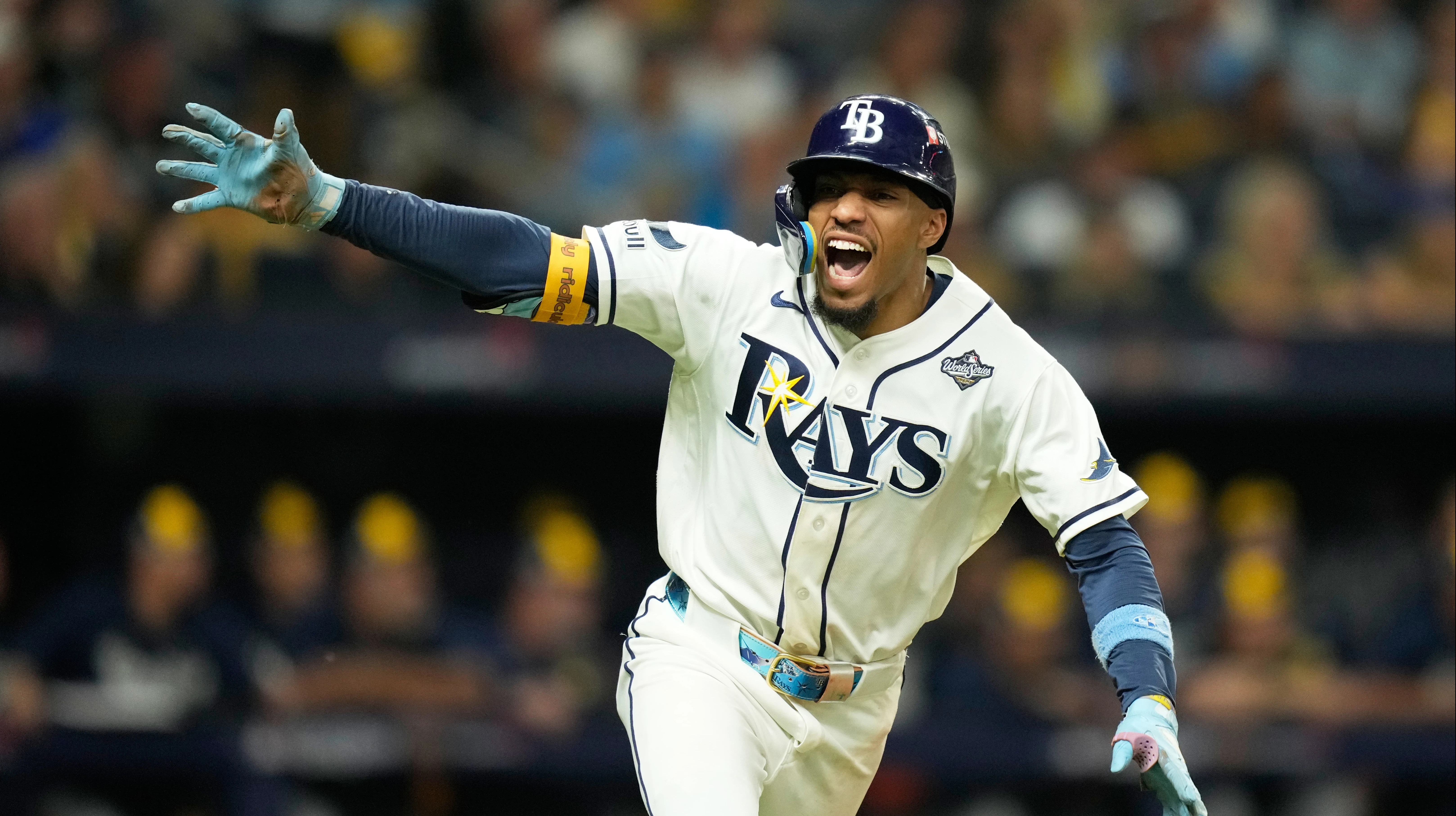
Someone forgot to tell the Rays that, however. Junior Caminero limped into first base on an error by the third baseman. He somehow managed to summon the speed to go from first to third on Jonny DeLuca’s single before being pulled for a pinch runner who would ultimately tie the game before the Rays came back to win Game Four.
Don’t get me wrong, the odds are still astronomically small that the Rays could come marching all the way back from a three-game deficit in the World Series. In fact, only one team has ever come back from being down three games to nothing in any MLB seven-game series:
Trying to come back from a 3-0 deficit in a best-of-seven postseason series is a daunting task. In fact, most comeback attempts end without much drama.
Case in point: In AL/NL history, 44 teams have gone up three games to none in a best-of-seven series. Most of these clubs have finished the job quickly, with 33 ending things with a sweep and another six in five games.
A handful of teams have put together valiant comeback efforts — four have won two straight to force a Game 6 after falling behind three games to none, and two of these teams pushed the series to Game 7. But only one, the 2004 Boston Red Sox in the ALCS, has completed the comeback.
But the thing about rare events in sports is that they are impossible until the moment they are not. Take for example a similarly rare phenomenon in sports, the No. 16 seed defeating the No. 1 seed in March Madness. That’s happened exactly twice since the field size expanded to 64 in 1985, and had never happened before UMBC beat Virginia in 2018, and its happened only one other time, when FDU beat Purdue in 2023. No. 1 seeds have a 162-2 record against No. 16 seeds during March Madness, and while it’s still a safe bet to advance the top seed across the board when filling out your bracket, it’s not quite the bet it was in 2017.
Cubs fans are certainly no stranger to rare events that result in (sometimes excruciating) outcomes. FanGraphs mercifully only has data for their Postseason graph predictor by moment in the season back to 2014. However, I can only imagine what it would have looked like for the Chicago Cubs in late August and early September of 1969 as a historically good Cubs team loaded with future Hall of Famers collapsed and ultimately finished eight games behind the New York Mets. The Athletic ranked that collapse as fifth all-time in the sport.
Meanwhile in Tampa, the most probable outcome is certainly that the Brewers will win their first World Series Championship. Last night’s heroics from Caminero, DeLuca, Cedric Mullins and Ben Williamson were enough to keep things interesting and send the 2026 Fall Classic to a Game 5, but they are highly unlikely to be enough to result in just the second team to come back from a 3-0 deficit in a seven game series in the MLB Postseason. But every now and again the highly unlikely results in the most unexpected moments in sports: