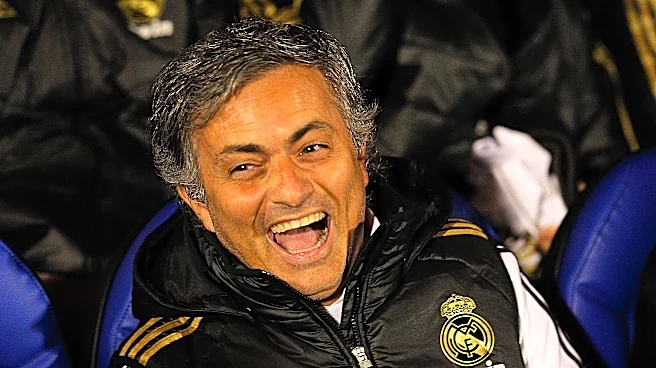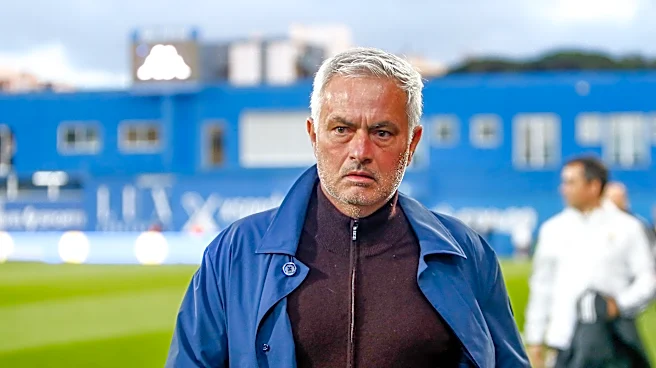



José Mourinho will be Real Madrid’s new coach again. After a disappointing season, Los Blancos have turned to a familiar face again – just as they did in earlier seasons, going for Carlo Ancelotti’s and Zinedine Zidane’s second reigns.
Florentino Pérez is betting that Mou 2.0 will be a success just as the second go-arounds for Ancelotti and Zidane were. It makes sense on some levels. On another level though, many observers are asking: is Mourinho past it?
For Madrid fans, Mourinho represents a certain
brand of nostalgia. Barcelona fans may respect him on some level, but they don’t like him. Funny how that turned out. Mourinho began his career as an assistant coach at Camp Nou and could have signed as head manager in 2008. Instead, Pep Guardiola was appointed by Joan Laporta to lead the Catalans, and Mou would wind up at Madrid.

Mourinho’s first stint at Madrid was mixed. His crown jewel was a flying league triumph after Barcelona had dominated Madrid for a few years. But three total trophies in three seasons is a fairly slim return for Real Madrid. Madrid would go on to UEFA Champions League success after he left. Whether you think that means Mourinho set them up for the future, or whether he was the final obstacle blocking their progress, is a matter of opinion.
Along the way, Mourinho became a cult hero to some and a pantomime villain to others for his combative ways. He was unafraid to insinuate refereeing conspiracies or fall out with anyone, even captain and club icon Iker Casillas. His nadir was probably sticking his fingers in the eye of Barcelona assistant manager Tito Vilanova.
Since then, he took jobs with Chelsea (a very successful return) and Manchester United. His stock began to fall afterwards. He went to Tottenham Hotspur, then AS Roma, then Fenerbahçe, and then Benfica. It’s been eight years since he left United, and he’s only won one cup in the past nine years. Ancelotti’s time outside the glamour clubs, between Bayern Munich and Real Madrid appointments, was just four years.
Looking at the last eight years, Mou’s record is again mixed. You could point to moments of success, like a UEFA Conference League win with Roma. Or going undefeated last season with Benfica. On the other hand, you could say Roma never got to the Champions League in three years under Mou, and they finally did so this season. Or that Benfica were undefeated, yes, but finished third, their worst finish in four years. (No one really rates his time at Fener.)

A pattern emerges, though. Mourinho does seem genuinely out of date when it comes to tactics and setting up his team to do well consistently across a season, but his safety-first approach could work well in knockout competitions. Benfica were unambitious, but they rarely lost. His Roma side were much better in cups than in the league.
Enter Real Madrid. His first job is to be a strict teacher to the unruly kids. He may need to ship some out to get the squad back in harmony. There may be few managers as well-poised to make those tough decisions and get everyone on the same page. He could heal Madrid’s biggest weakness.
It’s an ideal situation for Mou too, because expectations are low. And yet, with a team chock-full of superstars and one of the world’s richest clubs, you could argue any professional manager should be expected to win trophies. It will be hard to do much worse than Álvaro Arbeloa did as interim manager. Just like at the beginning of the last decade, even regression to Madrid’s historical mean will look pretty good compared to where they are now.

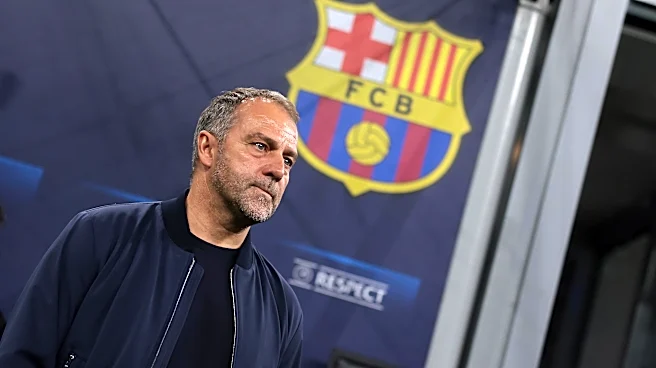
Barcelona are in the opposite situation. The vibes, as they say, are immaculate. The squad gets along well and all the players love and trust Hansi Flick as manager. His challenge is fighting complacency, not putting down rebellion.
Mourinho will try to motivate his team along the lines of “us vs. them.” Players within the squad are either with Mou and must run through a wall for him, or against him, and must be nuked from orbit. It’s a powerful psychological gambit, though it’s risky – and may have not given him returns lately.
Flick’s psychological approach is more harmonious. He wants everyone to get along, promoting a sense of peace and stability so that players are able to trust each other and express themselves. It’s worked well in his tenure so far. Mourinho will be hoping to disrupt that and wipe Barcelona’s smile off their face. (Maybe metaphorically this time.)