
Pretty soon, Syracuse Orange sports will be under new management following the announcement of current Athletic Director John Wildhack being set to retire on July 1.
Syracuse Athletics and the university itself will be at an interesting inflection point when it comes to its sports.
Outside Wildhack, Kent Syverud will also soon be departing as the school’s chancellor. The world of college athletics remains ever-changing, difficult to navigate and important to understand. The soon-to-be figures who will carry
the torch forward have plenty of choices to make and consequences of said decision, from the student-athletes and coaches to the alumni and, of course, the fans.

So, where do we go from here? What are the bigger-picture obstacles to navigate and what can be done to put Syracuse Athletics in the best position to succeed?
First, it all starts with the green elephant that is, and sometimes isn’t, in the room: money. Personally, some wish it weren’t the case, but it’s true and necessary in today’s college sports landscape.
Syracuse University is currently valued at $452 million, according to recent data published by CNBC in December 2025.
For context, the 2025 figure ranks No. 59 overall and 15th in the ACC (14th if Notre Dame is excluded; in this story, it was). It’s also a 7% decrease compared to 2024, according to CNBC. The notable schools ranked just ahead of Syracuse include West Virginia (No. 58), Rutgers (No. 56), Boston College (N0. 54), Maryland (No. 53) and Pittsburgh (No. 48).
In the 2024 rankings, Syracuse was No. 49.
(Writer’s note: the methodology used is well-researched but very complex. The bottom-line: adding a bit of numerical data and seeing where Syracuse estimates to be in the bigger picture).
All this to say: at least on paper using rough numbers sprinkled with people who know what they seem to be talking about, finding new revenue opportunities is critical, and it must be done fast.
Schools are constantly trying to dig up as much money as they can find, from alum to whatever is under the mattress. The money coming in continues to go up, but so too are the expenses. The “brand” of a school or conference is still important.
But, there’s another pillar especially in today’s world: the dollar sign next to it. Kevin said it best during a recent TNIAAM roundtable published Thursday: “if programs aren’t funded at levels they need to compete, they will struggle in the current landscape.”

So, what comes with that?
What many, including most of our team, will say is not the solution: raising ticket prices, squeezing every dollar out of fans and hoping that’s enough. Even if Syracuse Athletics opts to do that, the average fan is left with both the rock and the hard place: priced out to see these teams in action, yet disgruntled when the results aren’t satisfactory.
Football remains the king of making money. It’s heavily implied investment here will remain key going forward, especially if this road the sport is on leads from major conference realignment to the creation of some “super league.” Some will be included and many will not. Syracuse cannot be on the outside looking in.
Rebuilding men’s basketball to a more positive direction than its been in the last decade or so will be another. That said, will it come at the expensive of the non-revenue, but still notable, sports Syracuse offers? Again, the new money coming in and where it will go matters the most for whoever takes the gig.
Slightly changing gears, philosophy of coaching hires will be something else to monitor going forward. Not just because coaches and their staffs cost money, but are also in the trenches navigating the chaos that is NIL, revenue sharing and maintaining a team, all while trying to coach.
The all-important question: what does this look like going forward and more specifically, does the university shift from the “hiring in the family/alum” group to looking outside the bubble.
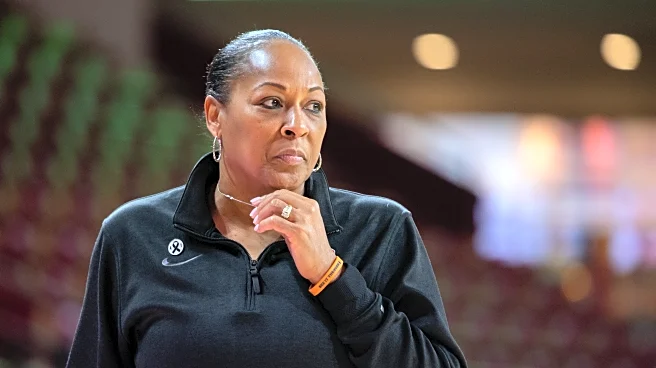
The results are mixed across SU’s sports. Felisha Legette-Jack has had strong success with women’s basketball as an alum and without the same resources as other schools. The other notable alum with strong recent results is Gary Gait with men’s lacrosse. Both of these sports offer Syracuse the opportunity to become revenue generators.

As for the two biggest money makers in football and men’s basketball, that’s a different story.
Fran Brown has ties to the Northeast, but isn’t an alum. He was also (at least at the time) a major gamble considering the lack of on-paper experience and making the leap from defensive backs coach straight to the helm of a P4 program. Year One was historic; year two was one plenty would like to forget.
As for men’s basketball, the program’s decline in the final years of Jim Boeheim and lack of results with Adrian Autry through nearly three years is hard to sweep under the rug.
Especially with those two sports, the next few years will be quite fascinating to track: what’s the direction, how will they compete against these other big schools and where is the arrow pointing. These hires, among others, are the key decisions that will determine the next decade of Syracuse Athletics and where it is going.
Lastly, there comes the most important question, of which it will be entirely speculation: what’s the “ideal” candidate for the role?
One archetype, especially outlined in this recently published list by Syracuse.com of potential candidates to take over for Wildhack, includes plenty of names with SU ties who have experience. The pros, broadly-speaking: they know the institution (in theory) and what it’s like. They could potentially get everyone (fans, donors, alum, etc.) all on the same page (again, in theory). They’re in “the room where it happens” and maybe that’s useful if the experience is recent.
But, the cons are notable.
Look at those names: none of those schools scream “doing very well in this currently landscape of college sports.” For the recent alum on this list, is it smart to bring someone in who was here in the years where Syracuse Athletics was not keeping pace with the rest of the college sports landscape necessarily? Does an alumni connection from 20- or 30-something years ago do anything to maximize connections and bring in more dollars? Tough to say.
Another potential archetype could be the business-focused one, someone who is good on the business side but would need a support system for things like facilities, coaching hires and everything along those lines. Or, does the school opt for a total “wild card?”
All this to say: this decision will definitely make an impact in the years ahead for Syracuse Athletics. Time will tell what happens next.
What do you think- should Syracuse look for someone currently in college athletics, or do they once again turn to someone from another area of sports business?