



When the NFL shifts from the offseason to the regular season, the accounting for the salary cap changes—and it can have a dramatic impact on where a team’s standing is when it comes to cap compliance.
During the offseason—when teams have a 90-man roster—only the top 51 contracts count against the salary cap. But when teams cut down to 53-man rosters, suddenly every contract counts against the salary cap. That includes not only the 53 players on the active roster, but also the 16 players on the practice
squad, players on injured reserve or PUP/NFI, and all the dead money from terminated contracts.
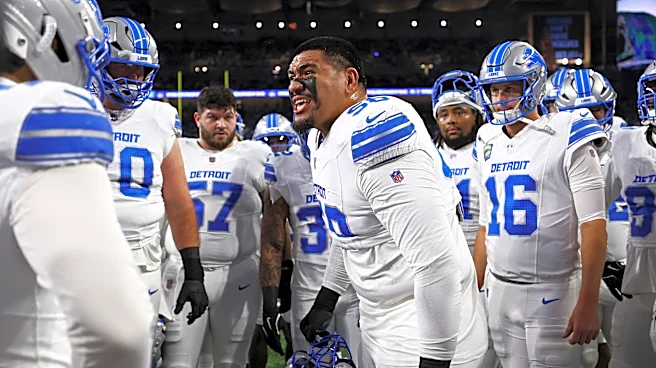
When it comes to the Detroit Lions, during the “top-51” offseason calculation, they had just over $10 million in cap space, according to the latest NFLPA public salary cap report. But on Monday—the official start of Week 1—the NFL will switch over to every contract counting, and according to the cap experts at Over The Cap, that switch could put the Lions over the salary cap.
Jason Fitzgerald, who runs Over the Cap, switched over the accounting on his site to reflect the regular season salary cap rules, and although he admits some of the most recent transactions aren’t yet considered (he says he’s “about a day behind on waivers”), he projects the Lions to be about $3 million over the cap. You can see Fitzgerald’s complete breakdown of the Lions’ 2026 salary cap here.
How can the Lions be over the cap?
Well, they can’t be.
By Monday, they will have to become cap-compliant. That could mean cutting a few players and creating some extra space—they may have already started this by releasing Seth McLaughlin and Jabari Small. But, more likely, it will mean restructuring some contracts not only to get cap-compliant, but also to free up some needed cap space during the season. For example, when a player goes on injured reserve during the season, they get paid in full, but Detroit would need to find money to pay their replacement on the 53-man roster. Obviously, the Lions would also want flexibility at the trade deadline or for any other players who may become available during the season.
But hold on…
One thing to consider is that Fitzgerald’s calculations also include $6.66 million in dead cap from Terrion Arnold’s contract. As we pointed out in June, that number reflects the dead cap hit on Arnold’s contract if the Lions did not try to void his guarantees. At this point, we don’t have public information on whether Detroit is attempting to recoup those guarantees, but based on their history of conduct, there’s a pretty good chance they are.
There’s also an equally likely chance that Arnold will try to file a grievance over that. If he does that, the Lions will be charged 40% of the contested salary against the salary cap until a ruling is made. From there, the Lions are either credited with cap space or face additional cap commitments based on the arbitration ruling.
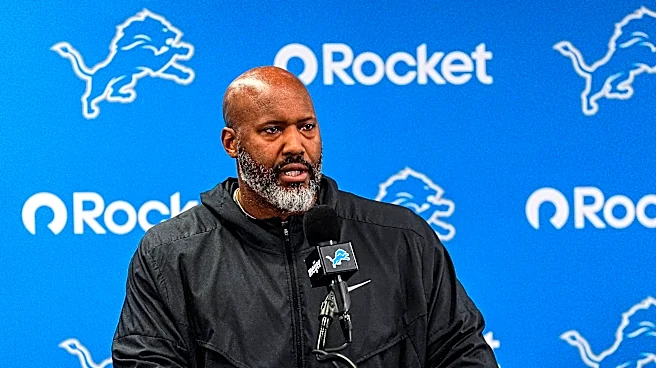
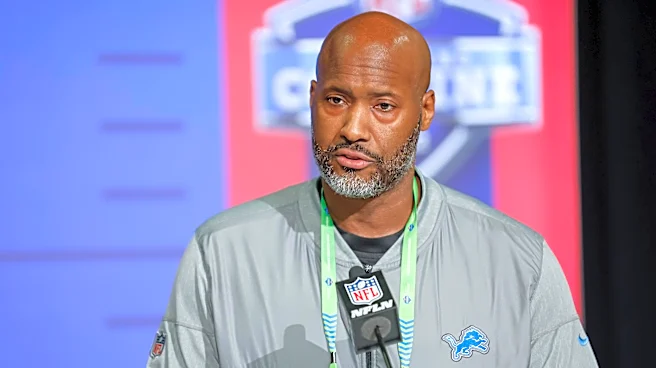
Regardless of how Arnold’s situation is playing out behind the financial scenes, Detroit is still likely to create some cap space. Generally speaking, they like to carry between $10-20 million in cap space during the season, and even if Arnold’s salary is off the books, that’s likely not enough space for Brad Holmes and company to be comfortable.
How can the Lions become cap compliant?
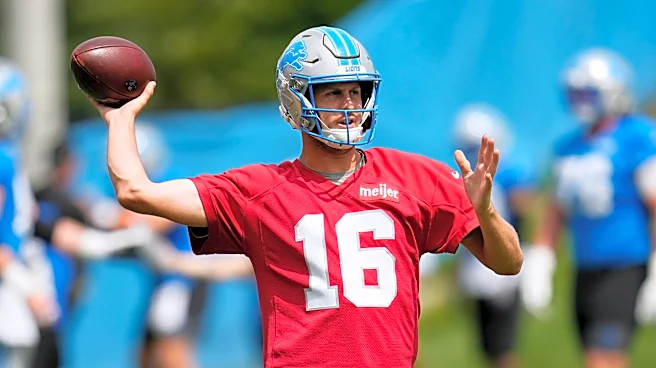
Easy: restructures. This offseason, they already did a partial restructure of Jared Goff’s contract. But there is still about $14 million of his salary that can be turned into a signing bonus, which would free up almost $12 million on its own. Penei Sewell’s $19.9 million salary is also ripe for restructuring, as is Amon-Ra St. Brown’s $27.5 million salary.
In short, there are plenty of ways for Detroit to easily get under the cap. The question is which contract(s) they’ll use, and how much of that salary cap hit they choose to kick down the road.
So, who cares?
Fair point; the Lions will surely work this out. But I think this is just another reminder that Detroit is tighter against the cap than most people are considering. Yes, they have mechanisms to create as much cap space as they want this year, but that is going to continually come at the cost of future cap space.