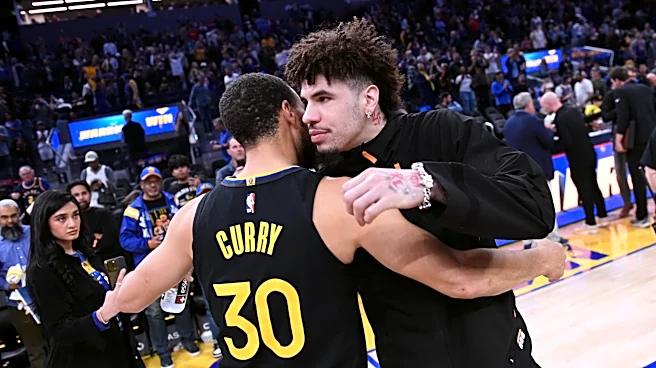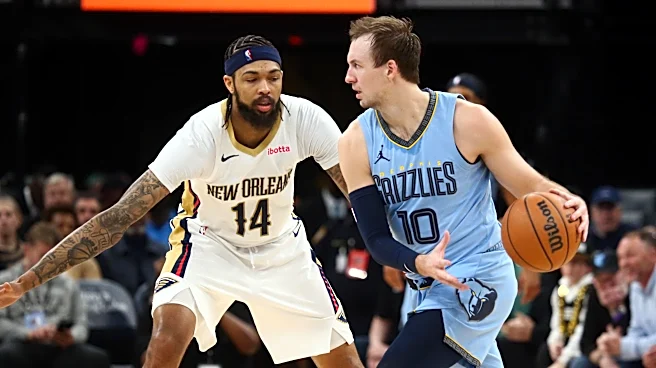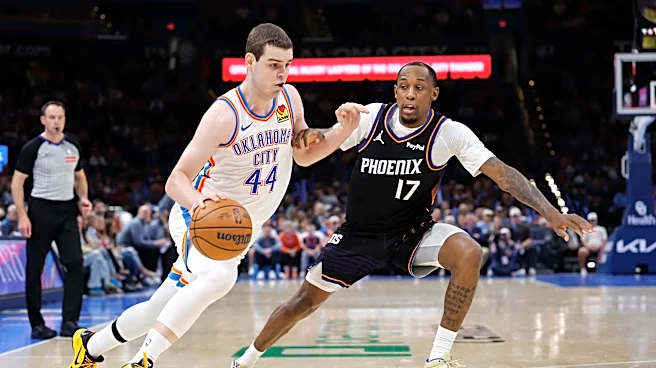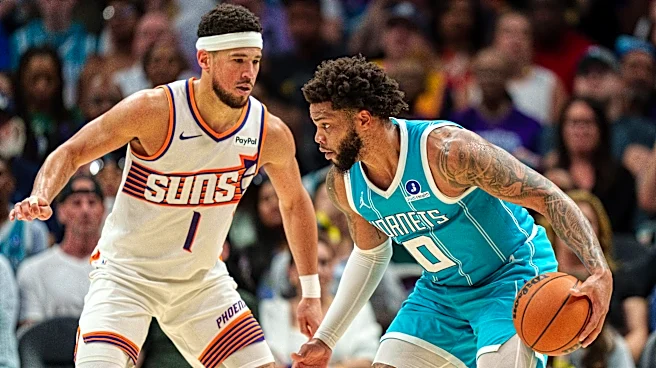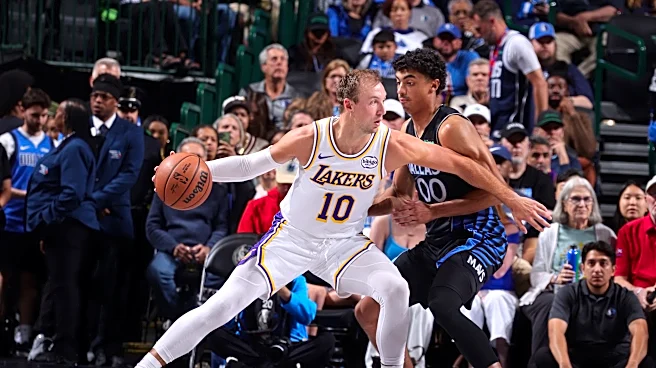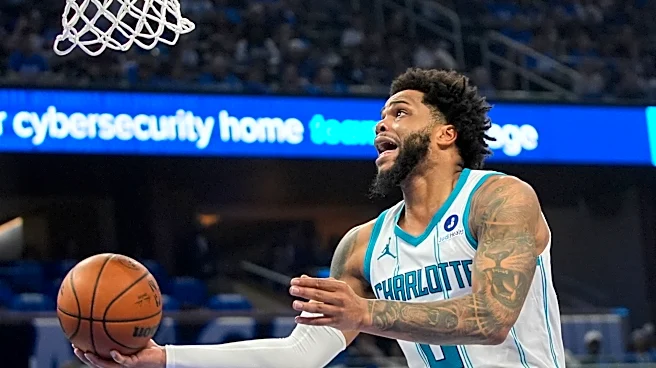




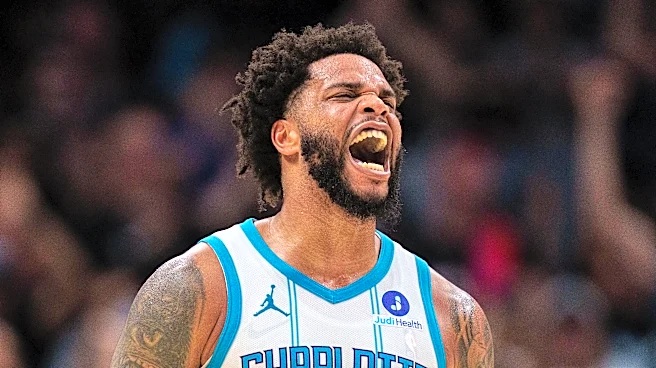
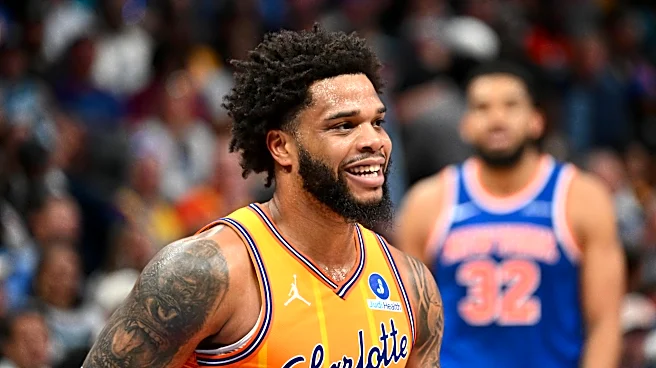
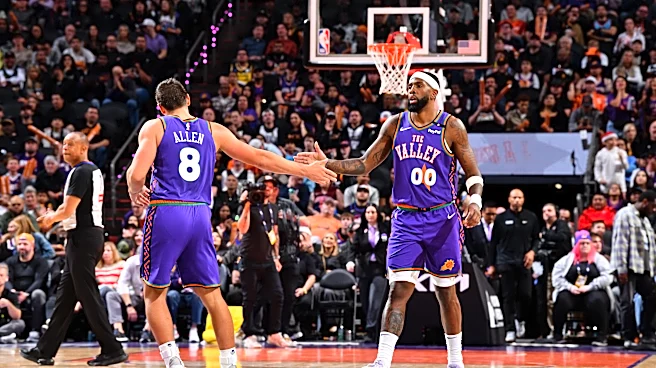


With the acquisition of Miles Bridges, the Phoenix Suns opened one roster spot. After sending both Grayson Allen and Royce O’Neale to Charlotte, the organization needed to replace the shooting it lost. That became the priority, and the Suns addressed it by signing veteran sniper Luke Kennard to a two-year, $13 million contract with a player option for the second season.
On paper, it appears to be exactly what Phoenix needed. But how much does it ultimately improve the roster? Does Kennard adequately
replace the shooting the Suns lost? And how should this signing be viewed in the context of the entire Miles Bridges transaction?
So what grade do the Suns deserve for adding Luke Kennard? Let’s talk it out.
Player Grade: B
Luke Kennard isn’t going to wow you with a complete basketball skill set. He’s a sharpshooter. That’s what he does, and that’s why he’s here. He’s not going to grab a bunch of rebounds, he’s an average playmaker, and he’s a below-average defender. When you look at his overall report card from Basketball Index, the holes in his game are easy to spot.

But when you’re truly elite at one skill, and it’s the exact skill your team needs, you begin to understand why his overall grade comes in at a B. The Suns aren’t asking him to rebound. They aren’t asking him to be a stopper defensively. They’ll surround him with players on the second unit who can help cover those deficiencies while allowing him to operate where he’s most comfortable.
There will absolutely be nights when he frustrates you. He’ll miss a defensive assignment. He won’t have the lateral quickness to keep someone in front of him, and opposing guards will get downhill. The hope is that Phoenix’s interior defense is improved enough to compensate for those shortcomings. That’s why fit matters when evaluating Kennard. I can easily see him playing 20 minutes a night and knocking down 3 to 4 three pointers. That kind of production would be incredibly valuable for the second unit.
He’s your stand in the corner and let it fly guy. And over the course of his career, he’s proven to be one of the best in the league at doing exactly that.

Acquisition Grade: A+
When you looked at the list of available free agents whose primary skill was shooting, I thought Kennard would simply be out of Phoenix’s price range. The Suns ended up using their full mid-level exception to sign him, but it’s not like they were the only team interested. He had other options, and some of those teams are viewed as much stronger championship contenders. He also could have stayed with the Los Angeles Lakers, a team that clearly valued what he brought during its postseason run.
The fact that the Suns were able to bring him to Phoenix despite those alternatives continues to reinforce something we’ve seen throughout this offseason. Phoenix is still a desirable destination. It’s still a place that attracts free agents.
Knowing Kennard and Grayson Allen were teammates at Duke, I’m sure the two had conversations about what it was like to play in Phoenix. While Grayson’s first couple of seasons were spent in a locker room dealing with plenty of turmoil, the organization looks much different today. You can see the direction the franchise is headed. You can see the way it’s operating. And that’s something players want to be a part of. Clearly, Kennard does.
Overall Grade: A-
This was a great acquisition for Phoenix. It’s refreshing not to spend free agency digging through the veteran minimum market, hoping one of those signings can outperform expectations. Instead, the Suns identified a player who fills a clear need and used one of the few meaningful tools at their disposal to acquire him.
Kennard is going to be part of the rotation. He’s going to play meaningful minutes, and he’ll provide much-needed offense for the second unit through efficient three-point shooting. That’s exactly what this roster lacked after the Miles Bridges trade, and it’s exactly what the Suns addressed.
It’s an impressive signing, and about as close to a best-case scenario as Phoenix could have hoped for. Once again, it showcases the Suns’ ability to operate effectively on the margins, maximizing the limited flexibility they have while continuing to add quality talent to the roster.