



As if there wasn’t enough going on in the month-old College Football season, a Thursday report hit cyberspace that sent the collegiate gridiron community into a bit of a frenzy.
According to Heather Dinich of ESPN, The College Football Playoff committee will now consider a strength-of-conference metric in its selection process.
“The new metric will help determine the strength of each conference based on the schedule strength of each team in its league.” the report says.
The ever-changing math equation
of making a playoff bracket has changed once again. How will the Mountain West and PAC-12 be impacted?
Finding The Right Fit
This “strength-of-conference” measurement comes less than a year after the CFP announced that the G6 spot does not have to be a conference champion.
There’s been so many changes from last year’s playoff to now that it almost feels like the power hungry power conferences threw up in their mouths when they saw Tulane and James Madison both make the playoff last year (Probably because they did).
The devalue of a conference championship along with the new importance of conference strength raises a series of questions. If the championship no longer punches your ticket, then what is the point? On the flip side, isn’t a showcase of the conference’s best teams battling for supremacy a good showcase of the conference’s strength?
However you want to spin, it is a safe bet to say this new report is just the first domino to fall in the beginning of moves to be made by the G6 conferences in response.
Leaders of The PAC
Several G6 conferences have made tweaks and adjustments to better fit the CFP model over the recent seasons, but with the new strength of conference barometer, the new PAC-12 may walk out of this as the brainiacs when the dust settles.
The PAC-12’s “flex game” model, which is set to be utilized in Week 13, ahead of the conference championship, is built to best set up to maximize the conference’s chances of making the CFP.
The PAC can put together matchups that best showcase the strengths of the conference, something you cannot do in a conference championship that is decided by tie-breakers and standings.
One team may win the PAC-12 trophy in early December, but what is done in Week 13 will likely be more important. Helping the conference avoid a “Duke-Miami” type situation from last year’s ACC.
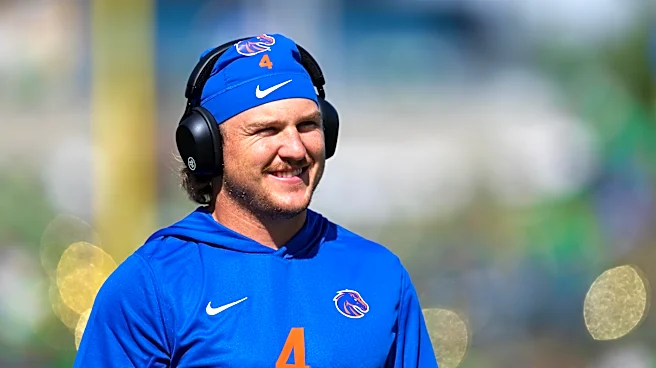
On a more simpler scale, the PAC also appears to have the goods in terms of quality of opponent (as of Sept. 24). Colorado State and Oregon State have been pleasant surprises, along with San Diego State and Fresno State looking to make a push as Boise State remains the top dog.
Don’t be surprised if you see Boise State (or another team?) find their way into the bracket when it is all said and done.
Falling Off The Peak
Over on the Mountain West side of things, the picture doesn’t look as good.
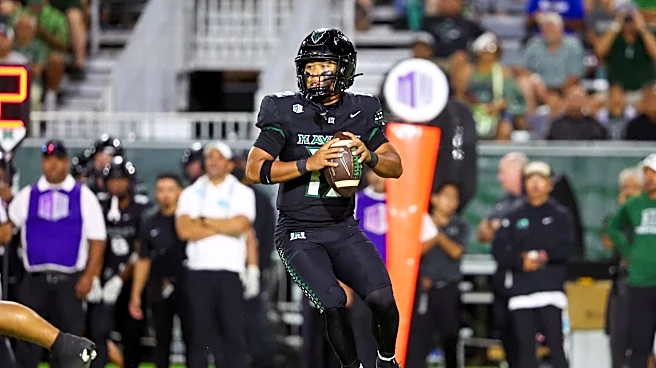
Teams like Hawaii and UNLV have not lived up to the offseason hype so far this season, while struggling programs like Northern Illinois, UTEP and Nevada bring down the quality of the conference.
As of now, it is left up to New Mexico and North Dakota State. And without a flex game to help their odds at the end of the year, they will be left to try and run the table flawlessly.
Mentioned in NDSU’s resume breakdown, their lack of non-conference strength may hurt them down the line.
It will be up to the rest of the conference to do their part. If NDSU’s big matchups, which all happen to be road games, prove to be as strong as they did in the preseason, the Bison will have a better look at the CFP.
New Mexico has a boost from their competitive bout with Oklahoma, but all of their top MW matchups come at home, evening out the resume compared to NDSU.
Now, the math equations return. Could a 9-3 conference champion Boise State team beat out a 10-2 conference champion New Mexico team? Can NDSU make it, even if they lose just one game? Where does Oregon State fit into the picture, having two quality losses? And how will the PAC divide up the flex game matchups?
We have about 11 weeks until we figure out all the answers in December.
Your Turn: With the new ruling, who is your G6 favorite for the CFP?