



The journey begins anew as a fresh World Cup cycle has broken, with the United States Men’s National Team starting the four-year climb to what could be the program’s greatest triumph. Mauricio Pochettino has the reins, the opportunity, and the time to build the roster and tactics of his choosing, provided that he elects to stick around until 2030. The first step is Peru, with the South American side looking to return to the big show after missing the previous two competitions. Inter.co Stadium in Orlando,
Florida – a 24,453-seat soccer-specific venuewith an all-natural grass playing surface – hosts the fixture.
This is the eighth all-time meeting between the two nations, with the USMNT holding a 3-2-2 advantage but settling for a draw in the most recent match, a 2018 friendly (1-1). Ranked 50th internationallyby FIFA, Peru missed out on the World Cup by finishing 12th out of 13 sides in CONMEBOL’s qualifying table with a 2-10-6 record. La Bicolor (The Bicolour) has played four friendlies this year, losing to Senegal (0-2), drawing Honduras (2-2), beating Haiti (2-1), and dropping a result to Spain (1-3).
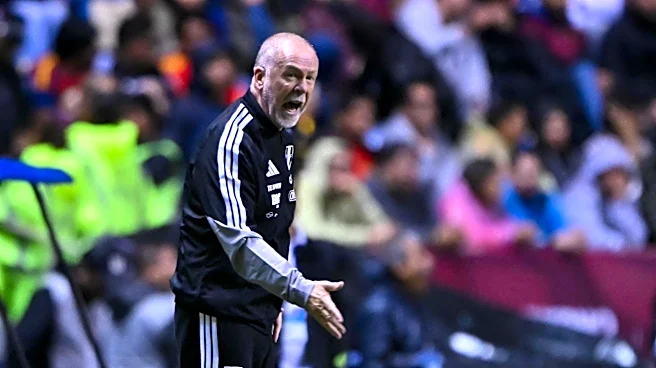
Replacing Oscar Ibáñez, Mano Menezes was appointedto the manager role in January of 2026, with the intention of “getting back on track so that Peru can once again be a leading player.” The 64-year-old Brazilian has experience leading a variety of club and international sides, including his home country, Cruzeiro, Palmeiras, Bahia, Al Nassr, Internacional, Corinthians, Fluminense, and Grêmio, claiming two Campeonato Brasileiro Série B, three Copa do Brasil, and five state league titles. The hopeis to “re-establish a positive coach-player relationship” and “return to the [nation’s] identity.”
Menezes nameda 26-player roster for the international window that includes matchesagainst Mexico, Canada, and Colombia. The domestic Liga 1 is home to 16 of the call-ups, while two compete in Brazil and five are on the books of European clubs. Notable absences include Luis Abram, Anderson Santamaría, Yordy Reyna, Jesús Castillo, Joao Grimaldo, Kenji Cabrera, and Alfonso Barco.
***
GOALKEEPERS (3): Pedro Gallese (Deportivo Cali), Matías Córdova (Comerciantes Unidos), Diego Romero (Universitario)
DEFENDERS (9): Marcos López (Copenhagen), Miguel Araujo (Sporting Cristal), Oliver Sonne (Burnley), Renzo Garcés (Alianza Lima), Erick Noriega (Grêmio), César Inga (Universitario), Fabio Gruber (Mainz 05), Marco Huamán (Alianza Lima), Matías Zegarra (Melgar)
MIDFIELDERS (8): Yoshimar Yotún (Sporting Cristal), André Carrillo (Corinthians), Wilder Cartagena (Orlando City), Jairo Concha (Universitario), Jesús Pretell (LDU Quito), Jairo Vélez (Alianza Lima), Oslimg Mora (Sport Boys), Rodrigo Vilca (Comerciantes Unidos)
FORWARDS (6): Gianluca Lapadula (Universitario), Alex Valera (Universitario), Adrián Ugarriza (Hapoel Be’er Sheva), Jhonny Vidales (Melgar), Piero Magallanes (Sport Huancayo), Bassco Soyer (Gil Vicente)
***
Menezes utilizes a 4-2-3-1 formationand is known for “his focus on defensive order, prioritizing teamwork, tactical discipline, and competitiveness.” He notes that his players“have technique” but tend to “concede goals” by making too many mistakes and lacking concentration. His style can vary depending on his available options andbe “adaptable to the flow of the game.” Total Football Analysis notesthat “width is maintained by the fullbacks while attacking players overload the central lanes,” with a focus on transition by “luring in the opposition” before exploding forward.

Well into the second decade of his senior internationalcareer, Pedro Gallese appears to be the undisputed number one and should continue to be for the next World Cup cycle. The 36-year-old Deportivo Cali goalkeeper still displays his trademark athleticism with the ability to scuddle across his line and pull off the necessary stop with a flung foot or leg. He “likes to start counterattackswith quick side-volleys after saves” and demonstrates composure under pressure, managing to sidestep the challenge and find a teammate on the wing. The Limeño will mostly stay glued to his area, focusing on sprawling out for new additions to his highlightreel instead of charging out to shag crosses, meet opponents, or chase balls.
Miguel Araujo is another reliable option in the build-up and quick to go to ground for a challenge, ranging around the deeperzones to chase down pacy attackers. The 31-year-old Sporting Cristal centre-back excels in the one-on-one by maintainingproper spacing without overcommitting and has also proven to be a strong force in the air, cleaning up his area. Renzo “Charapa” Garcés of Alianza Lima rapidly works out of danger with vertical distribution that crosses multiple lines and is a regular source of successful headers in both phases. The defender from Pucallpa has a habit of putting himself directly in the way at the right time in order to block shots and register interceptions while also being up for a physical joust. Augsburg-born Fabio Gruber is in his first seasonwith Mainz, earning praise for his “real authority, composure, and real leadership qualities,” having the ideal mix of size and agility to handle all of the potential problems. Observersdescribe him as “very technically gifted,” rising above the crowd, and capable of “intelligently reading the game,” young enough to continue developing into a serious contributor.
Marcos López is the typical modern embodiment of his position, always eager to press into the transition and ready to swing a cross or blast a shot into the upper corner. The 26-year-old Copenhagen fullback swarms lanes and charges into challenges before immediately pushing up the field, charging up the touchline with a head full steam as a solo progressor. Oliver Sonne of Burnley brings“intensity, dynamism, attacking courage, and defensive discipline,” effectively using his size to shield away pressure and rising above the crowd to win headers. The Denmark-born defender can take control during the build-up, overlap on the outside, and even drift into the middle in order to serve as a creative presence, wearing many hats in the run of play. Universitario’s César Inga is a major chancecreator in the domestic league with accurate distribution and constantly looks to beat opponents off the dribble, marauding up and down the pitch. He seeks to play out of the back even when very deep, has a tight touch and the hardiness to continue pushing after contact, and will occasionally cut inwardly to register an attempt on net.
Yoshimar Yotún is back for presumably one final ride with the national team, continuing to force turnovers and provide necessary connections throughout the formation with movement and penetrating passes. The 36-year-old Sporting Cristal midfielder can avoid pressure with turns on a dime and spray the ball seemingly anywhere, proving to be a necessary presence during the build-up or when withstanding the press. Japan-born Erick Noriega of Grêmio can also deploy on the back line, adds a fierce defensive presence with hard tackles and regular headers, and hits accurate vertical distribution. He has a physical nature and manages to insert himself into dangerous situations, managing the correct timing when steering away his volleys and incidental touches in order to prevent further danger. Alianza Lima’s Jairo Vélez is capable of both shuttling from one phase into the next and adding a creative presence in the final third, taking on waves of opponents and picking out teammates in the box. The ten from El Carmen forces errors, maintains his standing through contact, and has the confidence to slow things down in order to set up a move or wait for a new runner to emerge. Jairo Concha is able to make a difference with his daring choices, attempting audacious assists and demonstrating a willingness to register attempts from difficult angles and distances. His preference is to hang back and dictate with shrewd decision-making, but there is also the drive to force the game with darting moves and smooth sidesteps, setting up his shot.
André Carrillo of Corinthians is another of the program’s grognards deep into his 30s but still has the athleticism and killer instinct in the final third to create openings and contribute to the scoreline. He is comfortable taking the lead and drawing defenders or operating in isolation and finishing off plays, equal parts serving as a chief creative force with stop-start moves and making the final touch. LDU Quito’s Jesús Pretell has taken on a bigger role under the new manager and brings“intensity” whether on the outside or the inside of the formation, throwing himself into 50-50 opportunities and taking constant physical contact. The Piurano knows how to use his body to carve out space and can connect with teammates across the field, deploying his mobility and tight control to facilitate and cycle possession. Bassco Soyer has been tearing up the reserve division of Portugal with a potent mix of pace and creativity, breaking through on the counter and drilling long-range service. The Gil Vicente attacker pops up in all areas in order to force turnovers with physical play and has a knack for absorbing initial contact and reestablishing his balance before pushing forward.
Alex Valera is still seekingto turn his searing and sustained domestic form into international success, but his heading ability and intelligent movement should eventually bear fruit. The former beach soccer player has the pace to breeze past defenders and the agility to adjust to all manner of distribution, waiting for the opportunity to unleash his powerful strike. Jhonny Vidales is an off-ball player who is constantly looking to get onto the end of plays with breezy runs and the timing to work in between opponents for a crucial yard of space. The 34-year-old FBC Melgar attacker is capable of creating his own shot with stepovers and cuts that send players off-balance, using his agility and control to turn on a dime and power forward. Adrián Ugarriza of Hapoel Be’er Sheva is coming off a phenomenal run of form and should challenge to lead the formation during the current cycle, embodying the more traditional target player profile. He roams the field in search of the ball, uses his size to go back to defender with all inherent turns and layoffs, and can score in bunches in a variety of ways.
By the time the 2030 World Cup rolls around, most people will have forgotten that this match ever happened. However, the journey is made of a series of steps, with each potential fixture presenting the opportunity for building chemistry or a player to establish a greater role and prove himself to the coach. Peru is an interesting opponent that should provide a different challenge than the norm, even if the stakes are lower than normal.
The match is scheduledfor Saturday, September 26th at 4:30 p.m. Eastern, 1:30 p.m. Pacific. Viewing options include TNT, HBO Max, Telemundo, Universo, Peacock, and FuboTV (free trial).