
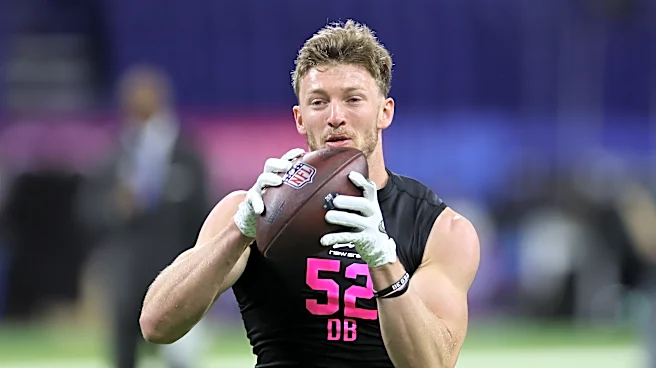
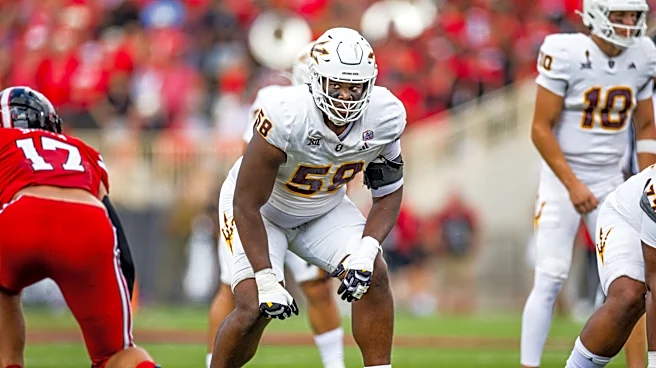
Continuing the series of mock drafts where we focus on subject, we move on from a pure defense mock, and a pure offense mock, and this time look at what would happen if Dallas went pure best player available. We are using Pro Football Focus rankings for this exercise. We ignore positional value here and only take the top ranked prospect with each pick to see what it could look like of Dallas said “just take the best player available” with each pick.
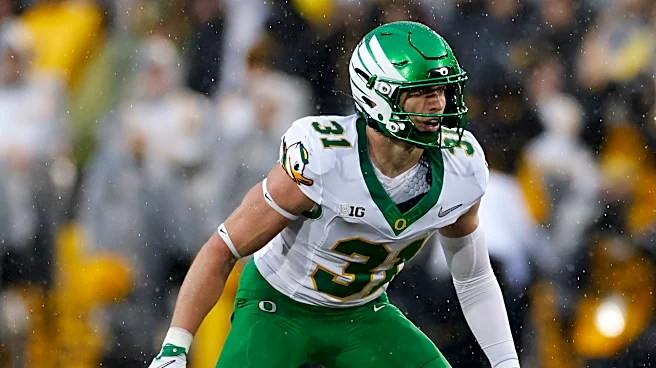
Pick 12: Dillon Thieneman, safety, Oregon
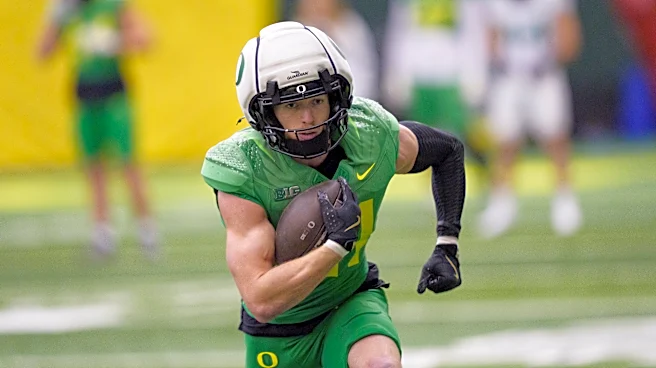
This is the kind of selection that tells you the board
is truly in charge, because safety is not a spot most teams would force this early unless they believe the player is special. Thieneman has the profile to justify it. He finished his college career with 306 tackles, 10 tackles for loss, and eight interceptions across his time at Purdue and Oregon, and his range, tackling, and versatility are traits that translate cleanly at the next level. If he is the top player left on Dallas’ board at 12, they do not overthink this one.
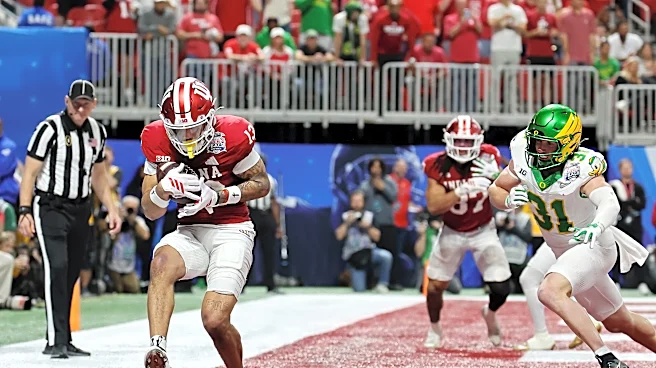
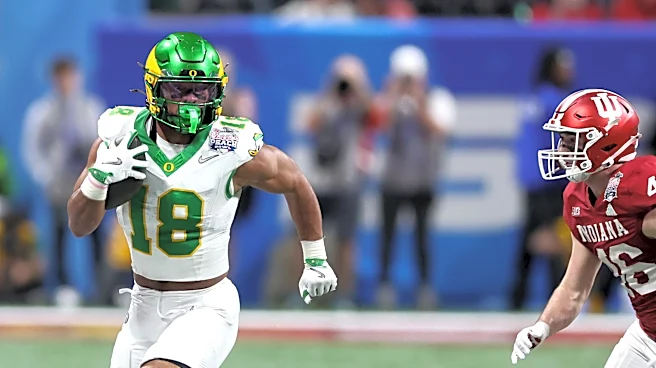
Pick 20: Kenyon Sadiq, TE , Oregon
We stay disciplined to the rule here and take Kenyon Sadiq, tight end from Oregon. This is exactly the kind of pick people push back on in a BPA draft because tight end is so often treated as a luxury, but the public board support for Sadiq is real. PFF has him 14th overall on its big board, and NFL.com notes that he led FBS tight ends with eight receiving touchdowns while setting an Oregon tight end record with 51 catches for 560 yards. When the board says a modern mismatch tight end is one of the best talents still available, BPA says you take him and live with the positional debate later. But as you will see later, this pick, thanks to the BPA rules will come back to haunt Dallas when position of need would be a huge plus over the best player available in the first round.
Pick 92: Daylen Everette, CB, Georgia
This is where the board starts handing Dallas some value. Everette measures in at 6-foot-1 and 190 pounds, and his 2025 line included 49 total tackles, eight pass breakups, and an interception. PFF’s board has him 89th overall, so getting him at 92 would be the kind of clean slide that a BPA approach is supposed to capitalize on. He fits a need on the roster in this setup which is a plus, and he would absolutely qualify as one of the better players still sitting there. This one worked out well for BPA and team need.
Pick 112: Deontae Lawson, LB, Alabama
Lawson is another strong example of how BPA can create value pockets on Day 3. He’s listed at 6-foot-2 and 228 pounds, and his 2025 season stat line has 45 solo tackles, two sacks, and two forced fumbles. Consensus rankings also have him at 98th overall and PFF placing him 110th which makes this pick good value. This pick is less about solving linebacker immediately and more about refusing to leave a solid top-100 prospect on the board just because another position might feel better.
Pick 152: Le’Veon Moss, RB, Texas A&M
Running back is one of the easiest positions for teams to talk themselves out of in a BPA exercise, which is exactly why this pick works. Moss measures in at 5-foot-11 and 210 pounds and he’s credited with 404 rushing yards and six touchdowns in 2025, while he also ran 4.42s forty time (unofficial) and he frames as a workhorse-style back. If the highest-rated player left on the board happens to be a talented runner, the whole point of BPA is that you take the talent rather than talk yourself into a lesser player at a better position. This is a talent over position filing exercise, but things are slowly beginning to struggle.
Pick 177: Julian Neal, CB, Arkansas
This is where the BPA idea begins to unravel a little on Day 3. Let’s start with the positives. So Neal has 32 solo tackles, two interceptions, and 10 pass breakups in 2025, and current projection coverage has him living in that Day 3 neighborhood. In a true BPA draft, that is enough. If the grade says he is the best remaining prospect, you turn the card in and keep stacking talent. The issue here was some prospects at other positions like edge rusher, inside defensive line, offensive tackle and linebacker that would fit Christian Parker’s system perfectly. But rules are rules, we have to leave those guys for other teams to draft since we’re taking BPA.
Pick 180: Eric Rivers, WR, Georgia Tech
Rivers is a talent, let’s not igrnore that fact, and he’s the kind of prospect BPA drafts are built to uncover in the middle rounds. He led Georgia Tech with 46 receptions for 658 yards in 2025, and at 5-foot-10, 176 pounds with a 4.35s forty time, this is a great pick that profile makes plenty of sense here with a BPA mindset. He may not be the kind of receiver who dominates pre-draft conversation, but when a player with real speed and real production is still sitting there in this range, BPA says to keep collecting functional talent. But the downside here is that positions of need for Dallas once again had to get dismissed to take the best player available, and there were some great available defensive tackles sat just a couple of picks down the list.
Pick 218: Matt Gulbin, OC, Michigan State
Coincidentally in our offense only draft this was the pick made there, so there seems to be a pattern emerging with the Cowboys last pick in this mock series. The problem is although Gulbin fits a depth question at inside offensive line, using this pick here means some positions get ignored with one last effort. Edge, defensive tackle, and offensive tackle depth all get missed. S

So the question now is whether a pure BPA draft is the best way to go, Maybe this way adds more talent but leaves huge gaps in the roster needing to be addressed post draft. Or maybe you like this draft and say just get talent and work the rest out later.
What’s your call on BPA drafts?