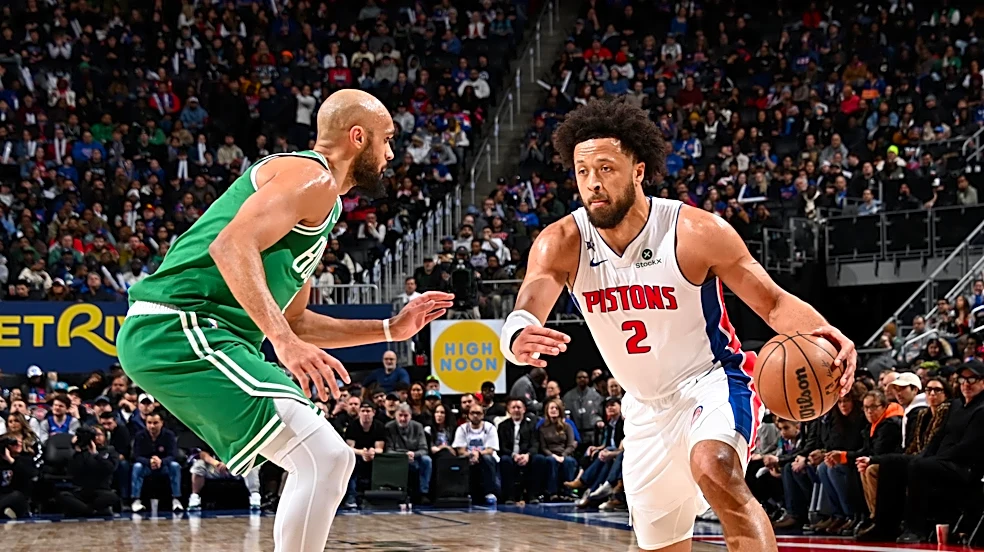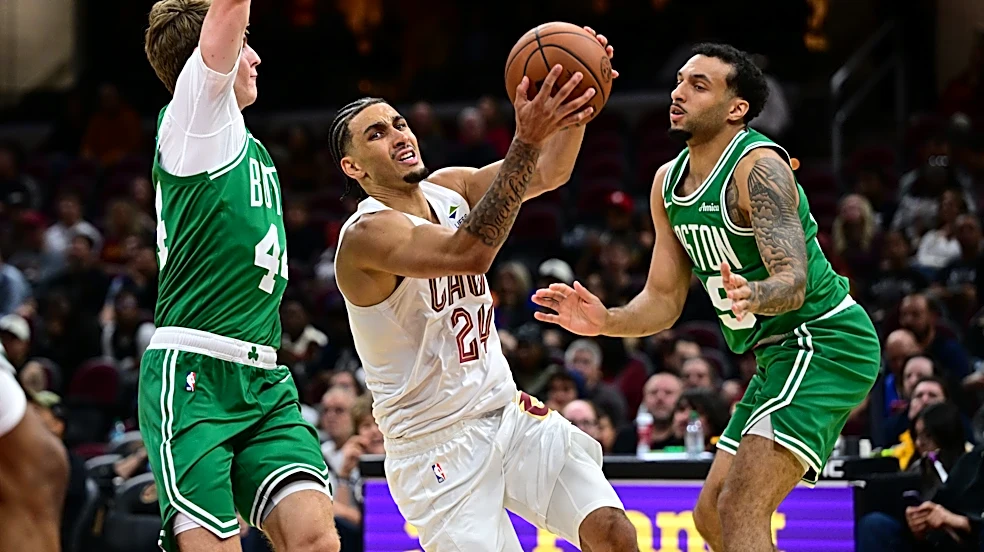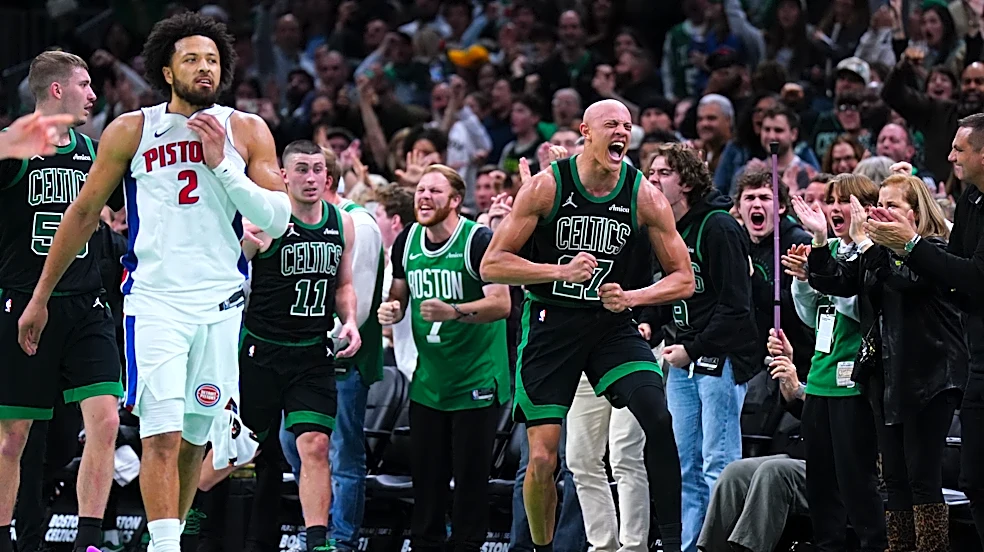



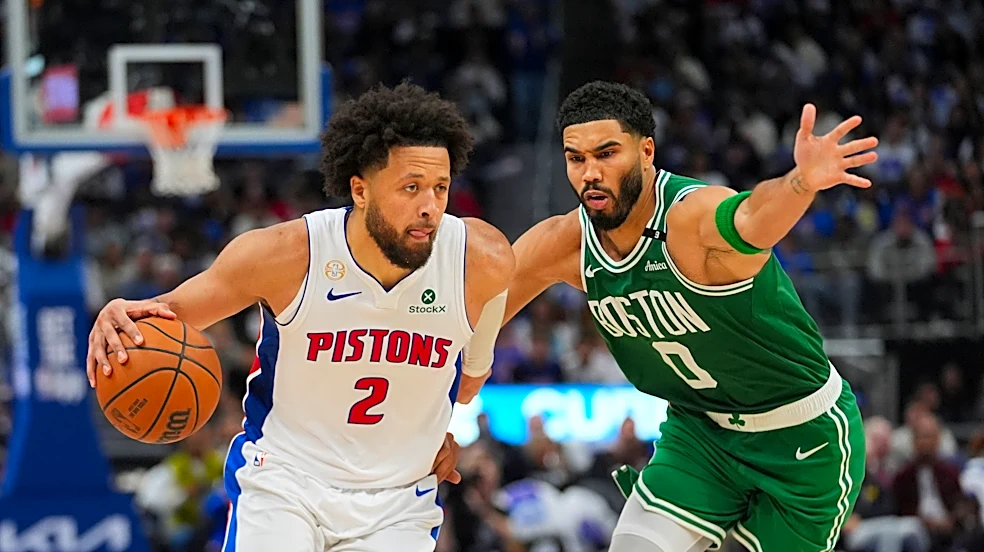

The Boston Celtics’ season opener against the Detroit Pistons started with nerves and excitement followed by confidence and joy, but ultimately resulted in sheer disappointment. The Celtics blew a 22-point second-half lead, falling 121-113.
It was just one game out of 82 and after Boston’s longest offseason in 10 years, you take it with a grain of salt. But before moving on, it’s important to learn from it to avoid repeating future mistakes, though.
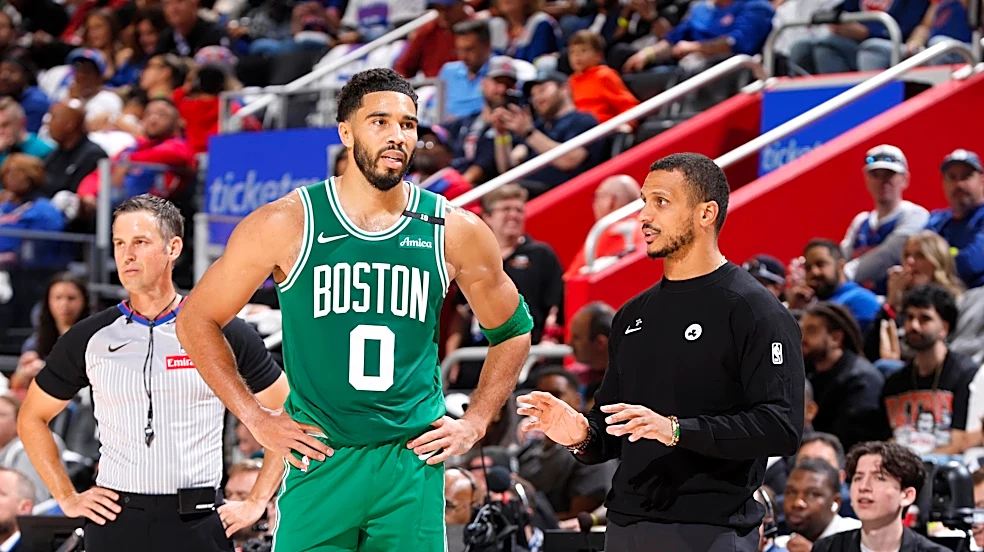
Outside of the poor shooting numbers from Tatum and
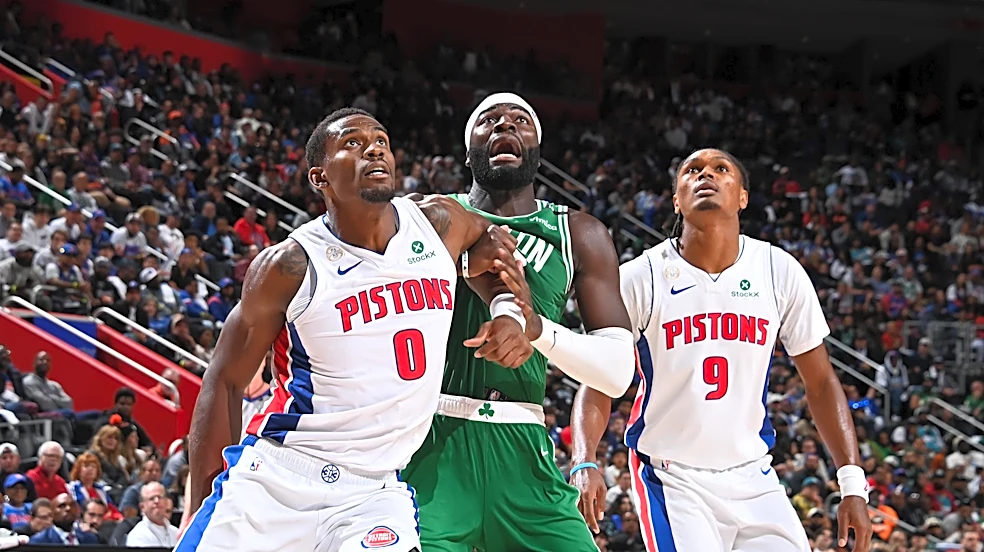
the stagnating offense in the second half, the most glaring mistake was letting Detroit beat them on the boards.
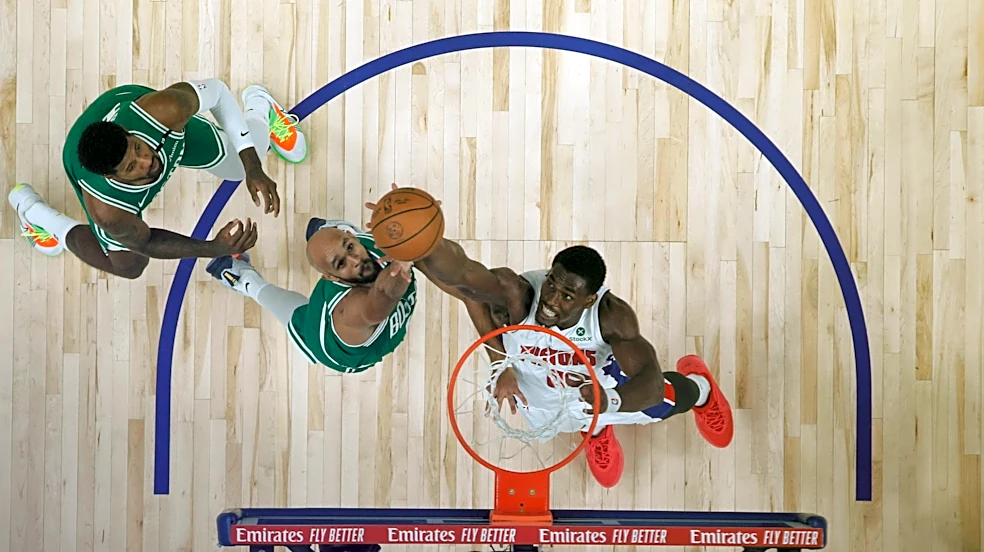
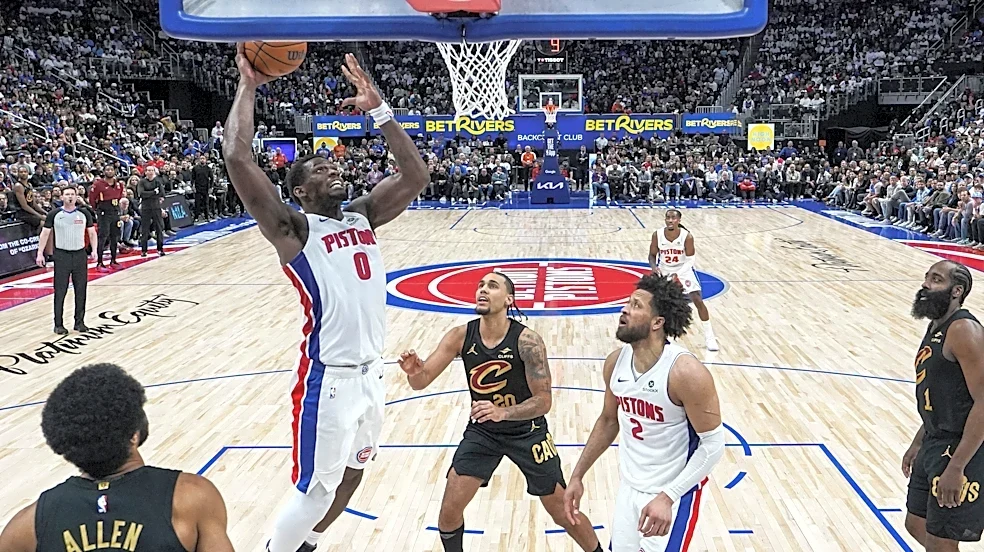
The Pistons outrebounded the Celtics 49 to 39 over the course of the game. They won on both the offensive and defensive glass, 14 to 12, and 35 to 27, respectively. With the possession battle being such a crucial part of Joe Mazzulla’s philosophy, I would have expected a different outcome.
Last season, Mitchell Robinson and Neemias Queta were both in the top-20 best rebounders across the league. Mitch (13th) averaged 8.8 rebounds per game, while Neemi averaged 8.4. In the opener, they combined for just 7 total rebounds, 3 from Robinson, 4 from Queta. Boston’s effort on the glass was led by Jordan Walsh at 6, followed by Paul George with 5, by far their two most active players all night.
On the other side, Jalen Duren picked up 9 rebounds, John Collins had 5, and Paul Reed added in another 6. Though not a big, Ausar Thompson led all players with 11 boards.
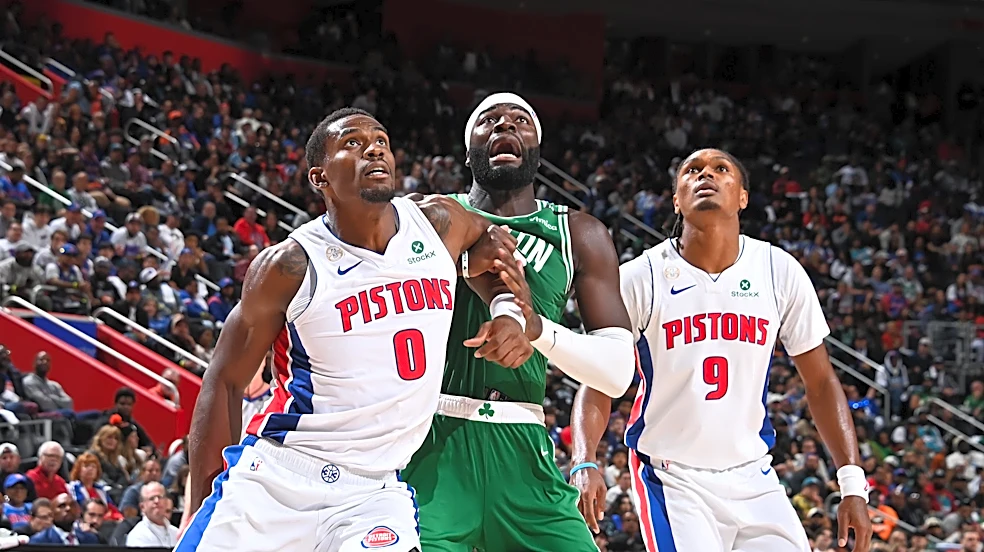
Sometimes the ball just doesn’t bounce your way, but it felt like Detroit consistently had better activity and positioning. They rallied to the paint as a team, usually sending at least two or three bodies to box out or gather up longer rebounds. It’s a big reason they were able to effectively neutralize Queta and Robinson in the matchup.

Mitchell Robinson wasn’t very happy with his performance. He tweaked his ankle early in the game, but it didn’t end his night as he decided to play through it. When asked about it after the game, he didn’t use it as an excuse, instead shouldering the blame.
“I got my a** kicked on the glass,” he said. “I can’t have no starts like that. It’s cool to get out there and put on that Boston jersey for the first time in a regular-season game, but overall, I still didn’t do what I needed to do. I gotta compete better. I feel like I didn’t compete at a high level that I normally do and I was kind of slow on a lot of things.”
Boston still had to work for their boards; very few were uncontested. That’s likely going to be the case most nights, which only means they have to work harder. The three-pointers will be the headline, but Detroit’s energy is what caused the game to flip. They limited the Celtics to single possessions, fueling their long, unanswered runs. They also picked up 24 second chance points compared to Boston’s 16, which helped them overcome their slight disadvantage in the shooting splits.
It perfectly encapsulates exactly why Mazzulla emphasizes the possession game. More possessions amount to more opportunities, meaning that you are more tolerant to faults. I’m sure we’ll see plenty more nights where the offense stagnates and shots don’t fall. The best way to combat that is to crash the offensive glass and try to generate better looks when the defense doesn’t have a chance to set, or is scrambling to do so. On the other end, limiting opponents to one possession also ensures that you don’t fall in too deep of a hole, or in this case, don’t let them dig themselves out of the one you put them in.
Again, this is only game one of 82. The Celtics have plenty of time to correct themselves. Thanks to the early start, they have two and a half nights to review film before their first home game of the season, a matchup with the rival New York Knicks. Mitchell Robinson and crew will have a chance to redeem themselves while going up against his former teammates, including last year’s rebound leader, Karl Anthony-Towns.