




Recent weeks have brought rumors and discussion of potential trades Phoenix could make to adjust or balance the roster. The team has played much better since that 1-5 start, but still has clear opportunities to improve in the short term.
As I’ve pondered potential moves, a recurring thought strikes: What’s the ultimate objective? Most of the debate centers on how to make the team incrementally better now by addressing recurring issues such as defensive rebounding. Over the next 2+ months leading up
to the February 11 trade deadline, I encourage you to consider this from a longer-term perspective.
I’ve been a devoted fan of the team since 1978, when, as a youth, the team captured my imagination. I tried to shoot like Walter Davis in those games at the park or driveway. They added Truck Robinson the next year, and then my Dad took me to my first game at the Madhouse on McDowell. The energy was awesome, and watching the games on KUTP 45 was appointment television. It seemed like every year they were “good”, but each playoff ended like the one before with a loss. Seven straight .500 or better records but no championship.
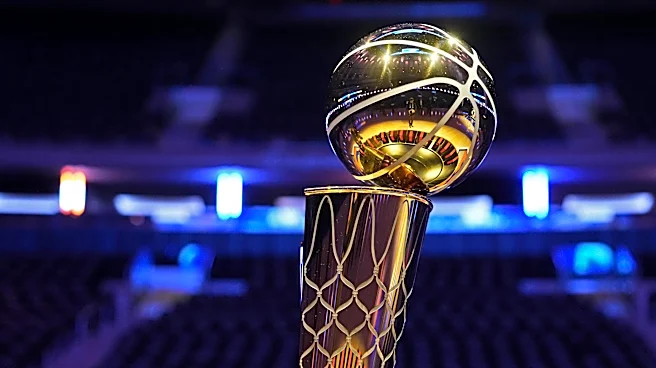
Since then, the Suns have had some low periods and many good-to-great squads, coming ever so close against the Bulls in 1993 and the Bucks in 2021. Reflecting on this, I’ve appreciated following a team that wins a lot and has had exciting teams. I also want, more than ever, to see them hoist a trophy before my time runs out! With that in mind, I think any move we make should consider its future effects on the Suns’ chances of winning a championship.
I’ve read several articles this year on attributes of teams that have won championships, specifically in this millennium. The most important things are their performance, roster construction, and how they got there. A good one was written by theScore:
This article included four factors, but one of those was having a high winning percentage (to which I say “duh”). The other three were:
- Presence of a star or stars. Every champion had at least one star, and the average was 2.2 (with the source defining a “star” in the article).
- Every champion except the 2023 Nuggets finished in the top 11 in defensive rating.
- 17 of the 20 champions were in the top 9 in offensive rating, with a strong trend toward three-point shooting in recent years.
I’ll add a fourth criterion from personal observation and opinion. Most, if not all, of these teams were cohesive on the court. They may not have been besties off the court, but they played in a complementary way that fit the team’s culture.
To recap, there is no single cheat code. A champion needs top-level players, efficient offense, stellar defense, and cohesive play.
Back to moves that a team makes.
The temptation is to think of the present and what a move will do to solve problem X. I suggest a different mindset, a future champion mindset that thinks a few moves or seasons ahead. Chess, not checkers. Each move should assess whether it could add to star power and/or excellent offense/defense, and within team culture. If this does not feel like it has any realistic chance of getting a title, then the timeline shifts out.
There are many ways to improve offense or defense. Obtaining stars is the most difficult challenge. An ESPN article in May looked at how champion Finals MVPs were acquired. 42% were drafted, 29% traded, 29% signed as free agents. An important distinction about drafted stars: the range picked was all over the map. Only two players were top-5 picks. This underscores how critical it is to have first-round picks.
I’ll use the recent Dillon Brooks Fadeaway World proposal as an example of how this mindset would work.
Three Spurs trades were proposed for Dillon.
- Harrison Barnes, Luke Kornet, and a protected first-round pick
- Keldon Johnson and a first-round pick
- Tobias Harris, with the addition of two first-round picks
Aiming to build a future title team, the best option is the last. Cap money freed up in 2028, but more importantly, two rolls of the first-round dice. Dillon has helped set a culture but is also in the declining phase of his career. I’m not saying we should do this particular trade, just that it would be the best of the three.
I know many will cite past failed draft picks. Every team has draft fails. For every successful new business startup there are nine failures (according to Wilbur Labs). This same risk-taking is needed to get the next Giannis Antetokounmpo, Steph Curry, or Tony Parker.
Is Suns Nation ready for the team to sacrifice the present for more chances at a future title — or willing to stay in that “good” lane with a higher probability they’ll stay there for the long haul? It’s just something to think about as trade season arrives.