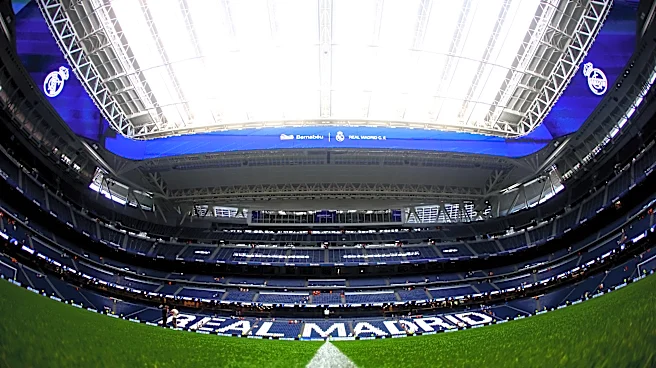







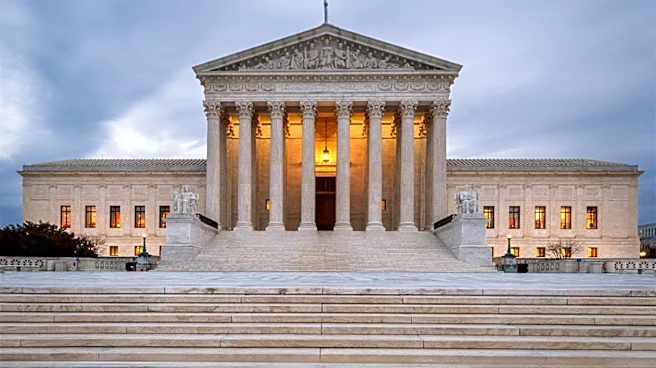


Real Madrid has lost its final appeal in the legal battle over the proposed parking developments around the Santiago Bernabéu, with Spain’s Supreme Court refusing to hear the club’s challenge against a previous ruling that invalidated the project.
The decision, issued on June 24, confirms an earlier judgment by the High Court of Justice of Madrid (TSJM), which upheld a lower court’s ruling annulling the concession for the construction of parking facilities planned for areas around the stadium, including
Padre Damián and Paseo de la Castellana.
According to the Supreme Court, Real Madrid’s appeal did not raise any new legal questions that warranted further review, noting that the issues presented have already been addressed through established case law from both the Constitutional Court and the Supreme Court itself.
One of the club’s principal arguments was that it had been placed at a procedural disadvantage because it was not personally notified as a co-defendant during the initial proceedings. The Supreme Court rejected that claim, agreeing with the TSJM’s conclusion that Real Madrid had sufficient knowledge of the legal challenge through other means, meaning the absence of formal notification did not invalidate the process.
The court also ruled that much of Real Madrid’s appeal attempted to revisit factual findings and the evaluation of evidence—issues that fall outside the purpose of a cassation appeal, which is intended to resolve legal questions and ensure consistent interpretation of the law rather than reassess the facts of a case.
Other arguments presented by the club, including challenges to the standing of the Neighborhood Association of Those Affected by the Bernabéu and whether the municipal authorization could itself be challenged, were likewise dismissed. The Supreme Court stated that these matters have already been settled through existing legal doctrine or had been introduced too late in the proceedings.
The ruling also endorses the TSJM’s position that Madrid City Council’s authorization issued on March 10, 2023, produced significant legal effects by initiating the contracting process, making it a decision that could legally be contested.
As part of the ruling, Real Madrid has been ordered to pay the legal costs associated with the admission phase of the appeal, capped at €2,000 plus any applicable VAT. The decision is final and cannot be appealed.
The legal dispute originated from a lawsuit filed by a neighborhood association, which argued that the approval process for the parking concession failed to comply with the legally required administrative procedures. Residents also claimed the proposed projects violated Madrid’s urban planning regulations governing garages and parking facilities.
Earlier courts agreed with those concerns, finding that both the feasibility study submitted by Real Madrid and the subsequent economic-financial study prepared by Madrid City Council underwent substantial changes after the public consultation period. Those modifications were never reopened for public review before the concession process continued, a key factor in the courts’ decisions to invalidate the project.