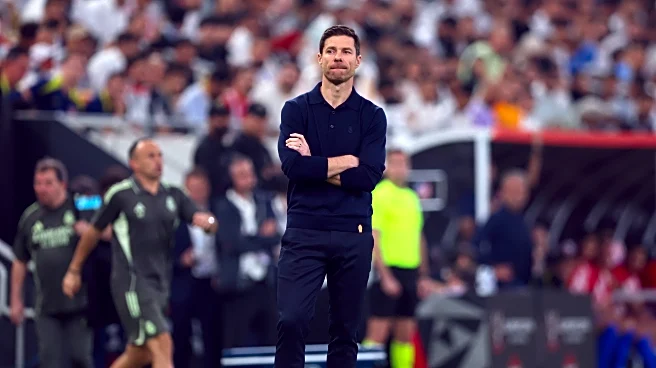

Historical precedent always suggested that Xabi Alonso would struggle to survive long term at Real Madrid. No coach in the club’s modern history has emerged unscathed from the level of scrutiny and pressure
he faced almost immediately.
From the outside, his departure may look rash. In reality, Alonso underwhelmed. The team did not improve, nor did the players. He failed to manage up by appeasing Florentino Perez and the board, and he struggled to manage the egos inside the dressing room. His in-game management was often bewildering. Most importantly, he never fully stayed true to himself. At times, it felt like the job arrived too soon and that the scale of the club — and everything that comes with it — was simply too big.
None of this absolves the club or the environment that has been created. The squad construction is flawed with too many players of the same profile and too many primadonnas, the injury crisis has been relentless, and Madrid’s culture of limiting time and authority for coaches remains constant. The team also underperformed vs its underlying metrics, especially in front of goal — constraints that would hurt any manager.
Still, Alonso was backed with roughly €200 million in signings he personally requested and failed to improve the team’s dynamics relative to his predecessor. Perhaps he would have figured it out eventually, but the club’s public silence and private leaks created a toxic environment. Whether he resigned or was pushed out, the relationship was always headed toward the same ending.